








Motorists are 17 times more likely to choose a petrol or diesel car for their next purchase, according to new research.
The striking finding emerges from a YouGov survey, which found that drivers who do not currently own an electric vehicle are less likely to do so due to misinformation.
The poll tested respondents on 10 factual statements about electric cars, revealing a significant correlation between misinformation and reluctance to switch away from traditional petrol and diesel vehicles.
As part of the report, drivers who performed well in the knowledge test were nearly 14 times more likely to express interest in buying an EV compared to those who scored poorly, the research found.
TRENDING
Stories
Videos
Your Say
More than half of those surveyed, 51 per cent, managed to answer just two questions correctly or fewer out of the 10 posed, while 84 per cent got five or fewer right.
Among those who scored poorly with two or fewer correct responses, a mere five per cent expressed a desire for their next vehicle to be electric.
By contrast, 63 per cent of respondents who demonstrated strong EV knowledge, scoring eight or more out of 10, said they wanted to go electric with their next car purchase.
Drivers with higher scores were three times more likely to prefer an EV over any other type of vehicle, the polling revealed.
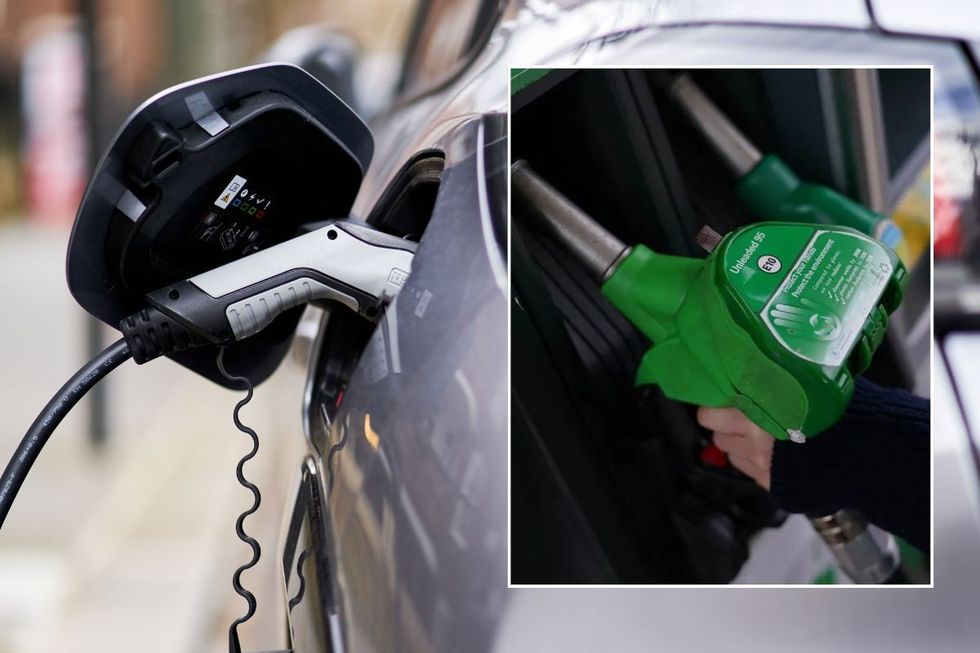
The report showed how drivers remained unaware of the real costs surrounding electric vehicles
| PADespite research showing that conventionally fuelled cars are actually more prone to catching fire than EVs, 46 per cent of those questioned believed the opposite to be true, with fewer than a quarter correctly identifying this as false.
Two-thirds of respondents were unaware that electric vehicles cost less to own and operate than their petrol equivalents.
Colin Walker, head of transport at ECIU, said: "A constant stream of misinformation is skewing petrol car drivers' knowledge of EVs.
"With two-thirds not knowing that EVs are cheaper to own and run than petrol cars, it's clear that many are holding back from making the shift to EVs."
LATEST DEVELOPMENTS
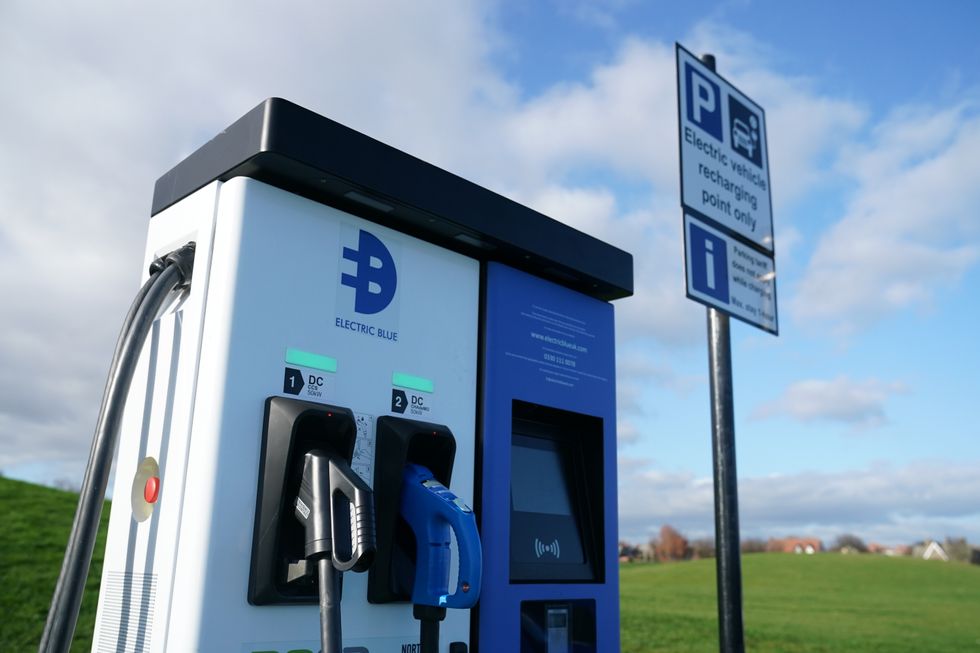
The ZEV mandate aims to have at least 33 per cent of new car sales be electric by this year
| PA"The latest instability in the Middle East is once again illustrating how using oil to power our cars leaves the UK's drivers exposed to international markets over which we have no control."
Compared to identical polling conducted in 2024, the proportion wrongly believing EVs produce the same lifetime emissions as petrol cars rose from 35 per cent to 40 per cent.
Similarly, those incorrectly thinking EVs require more natural resources to build and run increased from 45 per cent to 53 per cent, while false beliefs about fire risk climbed from 41 per cent to 46 per cent.
Labour MP Perran Moon, who chairs the All Party Parliamentary Group on EVs, said: "The more misinformed you are, the less likely you are to make the switch to an EV.
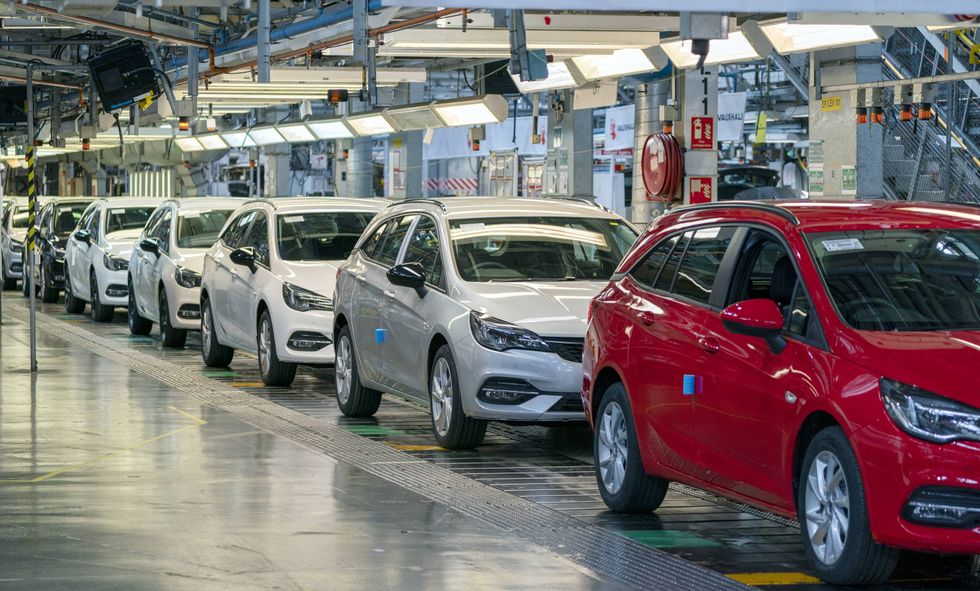 The ZEV mandate requires all new petrol and diesel car sales to be electric by 2030 | PA
"We need to see robust action from the Government, industry and media to dispel the myths of misinformation and to ensure that drivers are equipped with the facts when deciding on their next purchase."
The findings echo warnings made two years ago by a House of Lords committee, which described a "concerted campaign of misinformation" surrounding electric vehicles and criticised the then-Conservative Government for lacking urgency in addressing the problem.
The Government has committed to banning the sale of new petrol and diesel cars and vans from 2030, as part of the Zero Emission Vehicle mandate, with only electric models permitted from 2035.