










The world's largest manufacturer of condoms has warned its prices could jump by 30 per cent or more should the ongoing Iran conflict continue to restrict access to essential production materials.
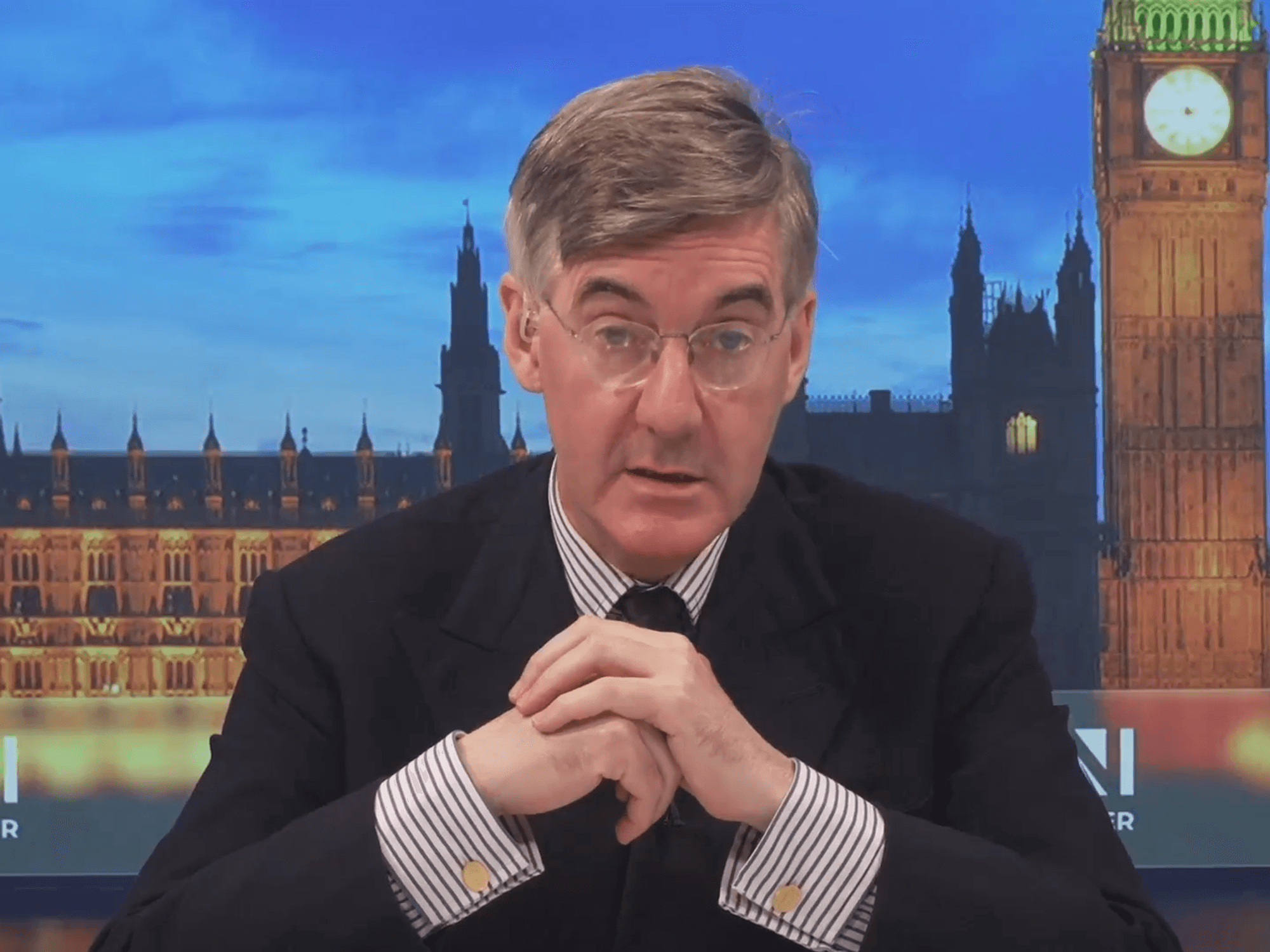
Chief executive of the Malaysian company Karex, Goh Miah Kiat, has revealed manufacturing expenses have climbed significantly since hostilities began.
The company produces in excess of five billion condoms annually, supplying major international brands including Durex and Trojan, alongside public healthcare providers such as the NHS.
The price warning is an example of how the US-Israel conflict with Iran is affecting consumer goods far beyond energy markets.
TRENDING
Stories
Videos
Your Say
The effective closure of the Strait of Hormuz following Iran's threats against shipping vessels in response to US and Israeli airstrikes has caused severe disruption to global supply chains.
Approximately one-fifth of the world's crude oil and liquefied natural gas typically transits through this vital waterway, along with other petrochemical products.
Karex depends heavily on oil-derived substances for its manufacturing processes, particularly ammonia, which serves as a preservative for latex, and lubricants based on silicone.
Elevated freight charges and shipping delays have compounded the supply difficulties, according to Mr Miah Kiat.
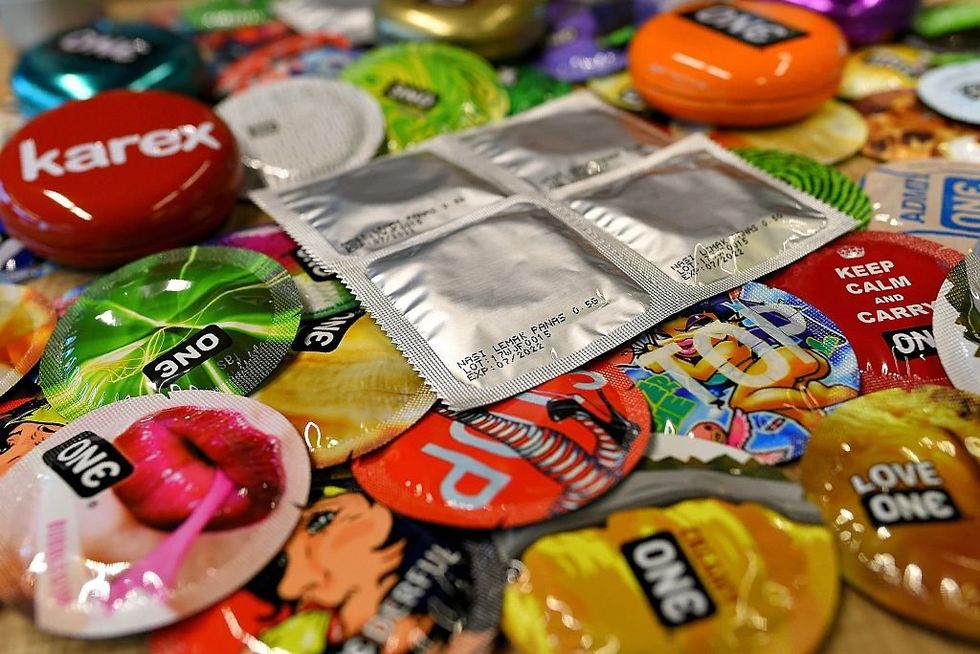
The company produces in excess of five billion condoms annually
|GETTY
Demand for condoms has surged by roughly 30 per cent during 2026, with economic anxiety driving the increase.
"In bad times, the need to use condoms is even more because you're uncertain with your future, whether you'd still have a job next year," Mr Miah Kiat told Bloomberg.
"If you have a baby right now, you'll have one more mouth to feed," he added.
LATEST DEVELOPMENTS:
The combination of heightened demand alongside constrained supply has intensified pressure on the industry, with shortages becoming increasingly acute as the conflict persists.
The conflict's economic ripple effects extend well beyond contraceptives, with budget airline tickets now averaging 24 per cent more expensive than twelve months ago according to recent research.
Gulf shipping disruptions have also pushed up fertiliser costs and created a shortage of helium essential for computer chip production.

Chief executive Goh Miah Kiat has revealed that manufacturing expenses have climbed significantly since hostilities began
|GETTY
Bottled water manufacturers are similarly struggling to source necessary materials.
The United Nations issued a warning earlier this month that sugar, dairy and fruit prices would rise as transport costs climb.
Peace negotiations between Washington and Tehran remained uncertain, with President Donald Trump announcing an extension to the ceasefire while talks continue.
Back in February, the 2026 Winter Olympic village ran out of 10,000 free condoms within just three days, requiring an urgent restock.
The high demand among 2,800 athletes, partially attributed to Valentine's Day, follows a tradition of providing contraception to athletes, though this year's supply was lower than previous Games.
To combat the shortage, additional condoms were distributed to the villages in Milan, Cortina, Bormio, and Livigno, with reports suggesting many condoms are taken as souvenirs, beyond their use for sexual activity.
The Italian organising committee said in a statement: "We can confirm that condom supplies in the Olympic villages were temporarily depleted due to higher-than-anticipated demand."