










Motorists have been warned they could get locked out of their cars under sweeping new proposals being considered by ministers.
The Government is examining what would be the most significant road safety overhaul in more than a decade, with alcohol interlock devices forming a central component of the planned crackdown on drink-driving.
These devices, commonly referred to as "alcolocks", function as built-in breathalysers that require drivers to provide a breath sample before the engine will engage.
The devices effectively detect alcohol levels in drivers, but if they are elevated above the legal threshold, the vehicle simply will not start.
TRENDING
Stories
Videos
Your Say
Courts could be granted powers to mandate the installation of these devices in offenders' cars if the proposals receive approval.
The scale of the problem facing British roads has been stark, with a person killed or seriously injured every 18 minutes. Drink-driving was also found to account for approximately one in six road fatalities across the country.
In 2023, an estimated 260 people lost their lives in collisions where at least one motorist exceeded the legal alcohol limit, with figures ranging between 230 and 290 deaths.
While alcohol-related road deaths dropped by 88 per cent between 1979 and 2015, progress has since stalled. The proportion of fatal crashes involving intoxicated drivers has fluctuated between 12 and 18 per cent since 1989, settling at 16 per cent in 2023.
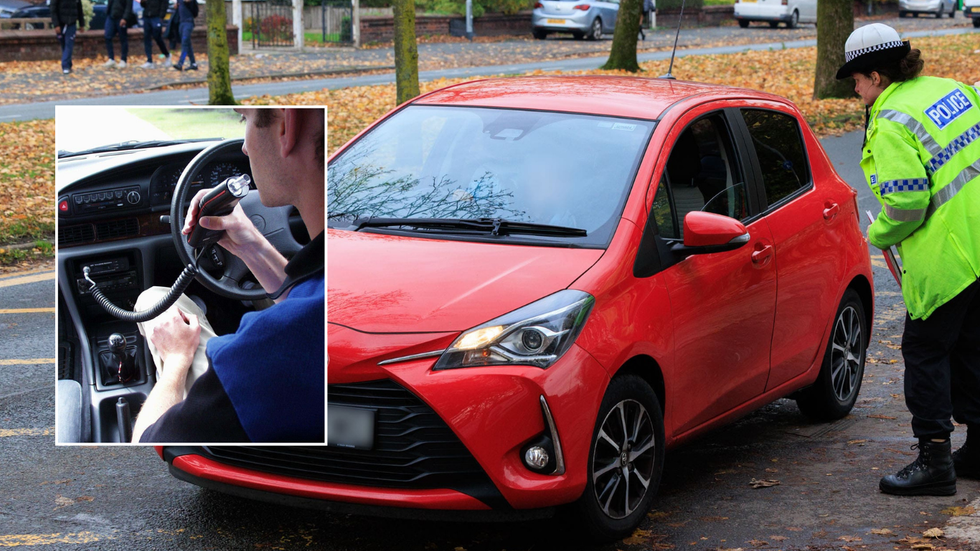
The use of alcolocks could be enforced under the new Road Safety Plan
| GREATER MANCHESTER POLICE/PAResearch commissioned by the Department for Transport found 44 per cent of drug driving offences between 2010 and 2019 were committed by individuals with previous drink or drug driving convictions.
A spokesman from One Sure Insurance emphasised the dangers posed by intoxicated motorists, warning how "it's clear this behaviour puts all road users at risk".
They said: "Having access to a vehicle does not always mean someone has the right to drive safely. An alcolock removes any ambiguity around whether someone feels OK to drive or is a danger by being over the limit. If you've been drinking, the car simply won't move."
The spokesman added data consistently demonstrates drink-driving is seldom an isolated incident. "Industry insurance data clearly shows drink-driving is rarely a one-off mistake, often it' s repeated behaviour," they said.
LATEST DEVELOPMENTS
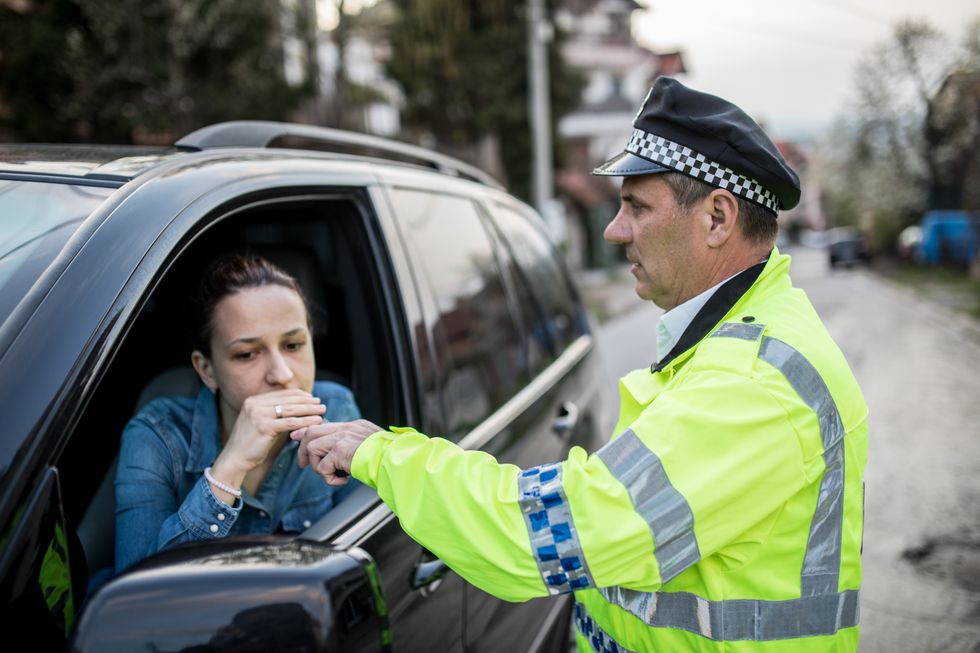
Reports revealed drink-driving accounted for approximately one in six road fatalities
| GETTY"Technology has the potential to reduce harm by addressing poor judgment, rather than relying solely on drivers to self-assess their fitness to drive."
England and Wales currently maintain one of Europe's highest breath-alcohol thresholds at 35 micrograms per 100 millilitres.
But ministers are now consulting on whether to reduce this to 22 micrograms, bringing it into line with Scotland, which adopted the lower limit in 2014.
Campaigners argued the interlock technology would prove particularly valuable in addressing repeat offenders and those who drive the morning after drinking, when motorists frequently misjudge whether they remain over the limit. Similar schemes have already been implemented successfully in the United States, New Zealand and the Netherlands.
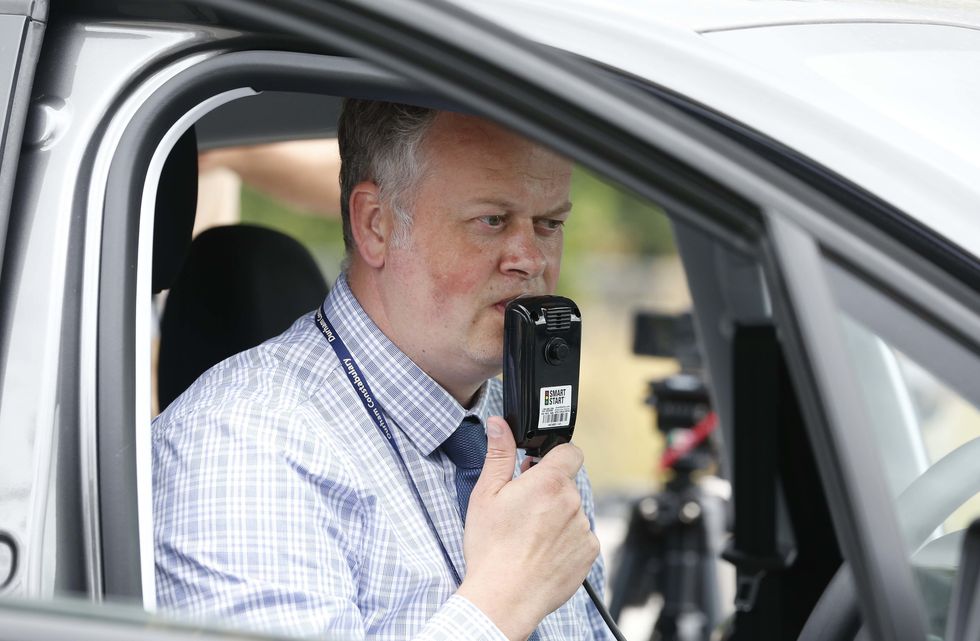
The new Road Safety Strategy hoped to discourage drink and drug driving offences
| PAA 2017 review of studies found alcolocks effectively reduce reoffending while fitted, although rates returned to normal once the devices are removed. The approach could also free up police resources for other enforcement priorities.
Ministers have also consulted specifically on reducing alcohol limits for newly qualified drivers, recognising their relative inexperience behind the wheel. The Government is additionally considering powers to seize vehicles from those arrested for drink or drug driving, mirroring existing penalties for uninsured drivers.
Longer compulsory training periods for learner drivers and stricter penalties for dangerous driving also feature among the proposals.
The measures form part of an ambitious long-term strategy aiming to reduce road deaths by 65 per cent by 2035, with ministers hoping to save thousands of lives through approaches unprecedented on British roads.
Our Standards: The GB News Editorial Charter