








The European Commission has confirmed it will weaken its planned 2035 ban on new petrol and diesel cars, bowing to pressure from carmakers and drivers.
Brussels announced today that the zero emissions requirement for new car and van production will drop from 100 per cent to 90 per cent.
The move will mean manufacturers will still be allowed to build some traditional combustion engine vehicles after 2035.
The policy shift comes after intense lobbying from German Chancellor Friedrich Merz and Italian Prime Minister Giorgia Meloni, marking a significant win for Europe's struggling car industry.
European Commission President Ursula von der Leyen, who introduced the original green deal rules in 2022, defended the changes, saying: "Europe remains at the forefront of the global clean transition." The revised rules still need approval from the European Parliament.
Under the new plan, plug-in hybrids, range extenders, mild hybrids, and regular petrol and diesel vehicles will remain legal alongside fully electric and hydrogen cars.
However, the Commission has introduced conditions. Any production in the 10 per cent non-zero emissions allowance must be offset by environmental measures at the factory.
These could include using European-produced green steel or incorporating biofuels in non-electric vehicles.
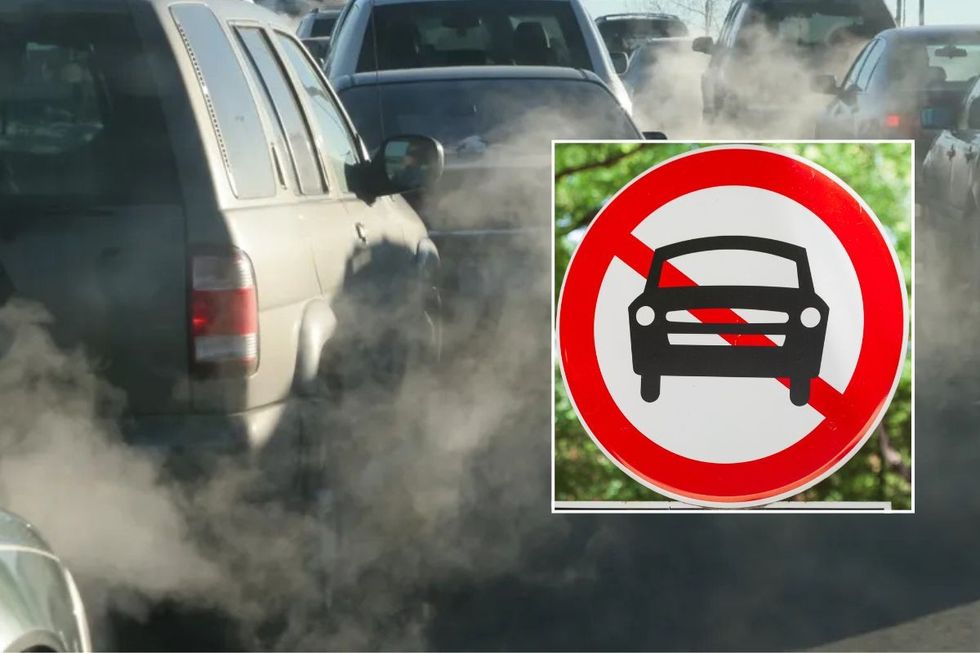
The European Commission has watered down zero emission goals for 2035 following public pressure
| GETTY"This will allow for plug-in hybrids, range extenders, mild hybrids, and internal combustion engine vehicles to still play a role beyond 2035, in addition to full electric and hydrogen vehicles," the Commission said. But the EU Green Party condemned the move, calling it a "gutting" of landmark emissions legislation.
The Commission has also relaxed targets for electric vans, reducing the required carbon emissions cut by 2030 from 50 per cent to 40 per cent.
To encourage production of smaller, popular cars, the Commission introduced "super credits." Each small electric car produced will count as 1.3 vehicles against EU quotas, helping carmakers meet emissions targets more easily.
Large corporate buyers will also be targeted to boost EV adoption. Commercial fleets are seen as key to creating a secondhand EV market and driving wider uptake.
LATEST DEVELOPMENTS
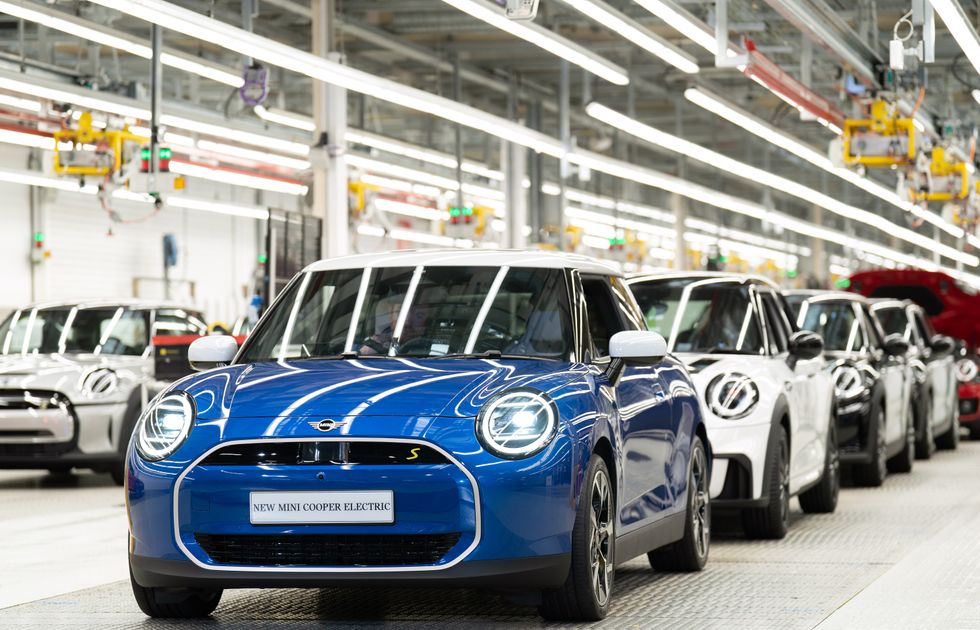
Under the new plans, manufacturers would need to have 90 per cent of their fleet electric by 2035
| PAMs Von der Leyen said the package followed "intense dialogues with the automotive sector, civil society organisations and stakeholders" and was unveiled in Strasbourg.
The decision highlighted the uneven pace of EV adoption across Europe. Norway leads with 94 per cent of new cars sold in the first seven months of 2025 being electric, according to consultancy Inovev. Norway has used its oil-funded sovereign wealth fund to subsidise EVs and build charging networks.
But southern and eastern European countries have lagged behind, with Croatia, for example, having just one per cent of EV sales, Inovev data showed.
High prices and poor charging infrastructure remain major barriers. Across much of Europe, EV adoption is still in the low to mid-single digits.
Ursula von der Leyen announced changes to the 2035 petrol and diesel car ban
| PAEuropean carmakers have struggled with the switch to electric vehicles while facing growing competition from cheaper Chinese imports.
Even where the EU has funded EV subsidies and charging infrastructure, Chinese brands are often the main beneficiaries, as in Spain.
But some experts worry the relaxed emissions rules could slow investment in charging networks, which are essential for EV growth. Renault has already scaled back its charging plans, focusing instead on profitability in a tough market.
The automotive industry has argued that EV demand has grown more slowly than expected, and more time is needed to phase out petrol and diesel vehicles completely.