










Chinese electric vehicles have been flooding the UK market as drivers increasingly opt for cheaper models from abroad, new figures suggest.
According to reports, the share of Chinese brands in the plug-in car market has surged to around eight per cent, up sharply from just 2.7 per cent four years ago.
The report means roughly one in every 13 plug-in vehicles on UK roads now comes from a Chinese manufacturer, according to analysis by LeaseCar.
The rise highlighted a growing shift among motorists, with many turning away from traditional brands in favour of lower-cost alternatives offering similar technology.
TRENDING
Stories
Videos
Your Say
Online interest has also exploded alongside sales. Searches for "Chinese EV" have rocketed from just 1,000 a month in early 2023 to 364,000 by February this year, showing curiosity is rising even faster than registrations.
One of the standout success stories is BYD, which has rapidly grown its presence in the UK. The Seal U Design plug-in hybrid saw registrations jump by a staggering 28,581 per cent in a year, rising from just 58 vehicles in 2024 to 16,635 in 2025.
The all-electric Seal Design also surged, climbing more than 1,000 per cent from 1,021 to 12,187 units. Other newcomers are making an immediate impact.
Chinese giant Chery has broken into the market with strong early sales. JAECOO 7 Luxury 4x4 recorded 12,651 registrations in a single quarter despite having no previous UK presence.
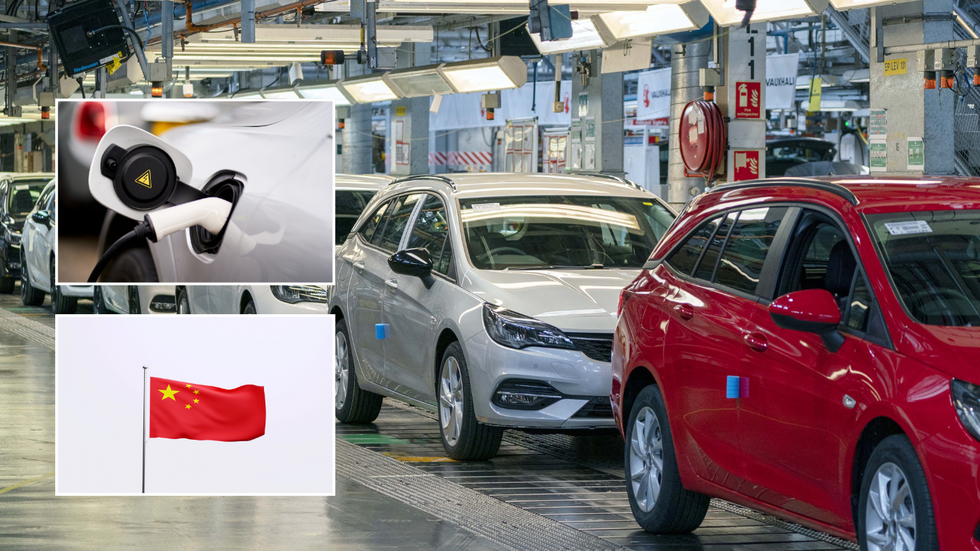
Chinese vehicles have been growing across the UK, with drivers increasingly opting for the cheaper models
| PA/GETTYMeanwhile, the OMODA E5 saw registrations leap from just 191 to 5,231 cars in a year. Despite the surge in new brands, MG Motor remains the dominant Chinese marque in the UK, with its MG 4 electric model leading all Chinese plug-in cars with 45,621 registrations in the third quarter of 2025, followed by the MG ZS with 29,329.
The MG HS plug-in hybrid recorded 16,536 sales, while the MG 5 electric estate reached 15,314. The BYD Atto 3 also performed strongly with 8,265 registrations, and the MG S5 EV rounded out the top 10 with 3,303.
Tim Alcock, director at LeaseCar, said the figures point to a major change in buying habits across the UK. "The era of brand loyalty is shifting in the UK market," he shared.
"We're seeing this more prevalently in EV models as consumers become more open to new brands entering the market," he added.
LATEST DEVELOPMENTS:
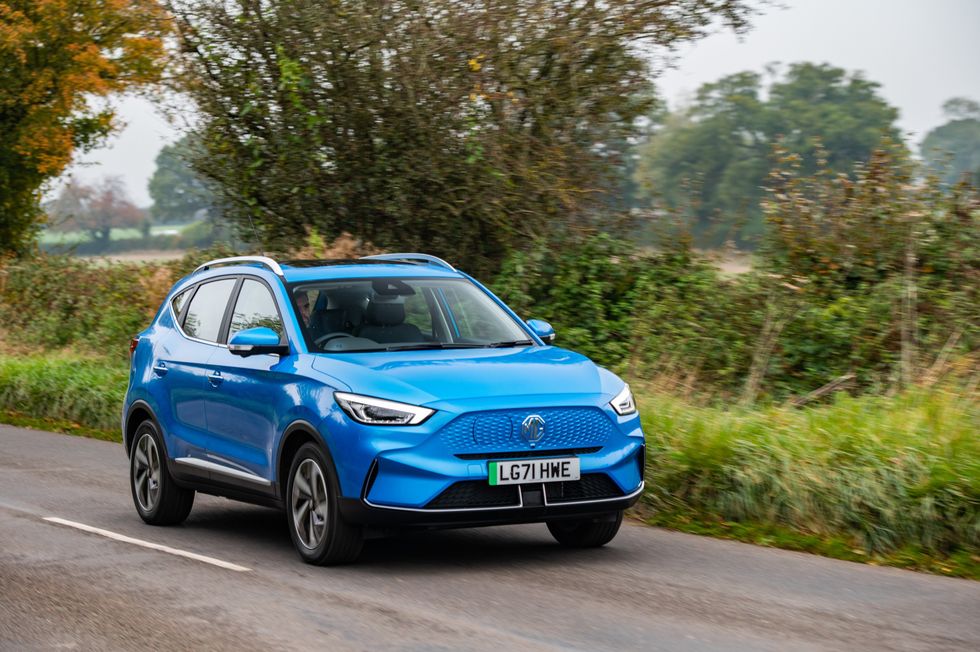 The MG ZS EV is one of Britain's most popular electric vehicles | MG
"British drivers are proving that they no longer feel attached to heritage brands, especially if a newcomer can offer better tech and a competitive price point."
He described the rapid rise of brands like JAECOO and OMODA as "unprecedented", adding that it amounts to "a quiet takeover" of the market.
Mr Alcock explained that companies such as BYD are now directly challenging established models like the Tesla Model 3.
Rising motoring costs appear to be driving the trend, with higher fuel prices pushing drivers towards more affordable electric options. Chinese brands are often able to undercut rivals while still offering comparable performance and features.
 The Leapmotor T03 will be one of the cheapest EVs on the market | STELLANTIS
The shift looks set to continue later this year, with search data suggesting consumer interest is outpacing actual sales, pointing to further growth in the months ahead.
Budget-focused firms like Leapmotor are also gaining attention. The C10 model is attracting around 18,000 searches a month, while the smaller T03 is seeing about 6,000, despite relatively modest registration numbers so far.
"With a massive wave of interest in budget-friendly models like the Leapmotor C10, the next 12 months will likely see these Chinese brands move from the periphery to the mainstream market," Mr Alcock added.
Experts explained that the next wave of electric car adoption will likely be driven by vehicles priced between £20,000 and £25,000, an area where Chinese manufacturers currently face little competition from European rivals.