










Drivers have been warned that rising fuel costs and new Vehicle Excise Duty rates unveiled this month are affecting buying behaviours as financial pressures weigh on Britons.
The financial squeeze on drivers could intensify due to the Middle East fuel crisis, with industry analysts warning that petrol prices may climb as high as £2 per litre across the country.
Experts have examined five years of vehicle scrapping data to understand how these mounting costs are reshaping ownership patterns.
William Fletcher, chief executive of car.co.uk, warned that the combination of escalating road taxes announced by Chancellor Rachel Reeves in the Autumn Budget, alongside fuel expenses and maintenance bills, is creating unprecedented pressure on household budgets.
TRENDING
Stories
Videos
Your Say
Vehicles on British roads are older than at any point in recent history, with drivers clinging to their cars far longer than they did five years ago.
Analysis of more than 30,000 scrap quotes from this year already showed that the typical vehicle is now 16.72 years old when it reaches the end of its life.
This represented a significant shift from 2021, when cars were being scrapped at an average age of just under 15 years.
The 11.6 per cent increase in vehicle longevity reflected how motorists are stretching their cars to the absolute limit before replacing them.
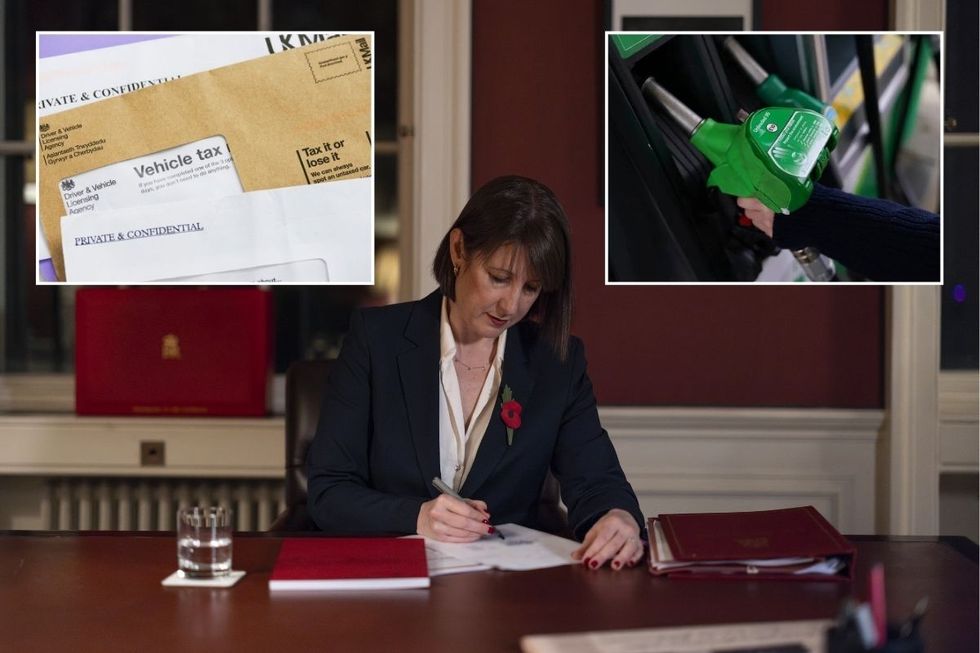 Rachel Reeves revealed new tax rates during the Autumn Budget | HM TREASURY/GETTY/PA
Rather than trading in for newer models, owners are choosing to endure expensive MOT failures and costly repairs to avoid the financial burden of purchasing another vehicle.
Mr Fletcher said: "Cars can almost halve their value in the first year, which means buyers are extremely unlikely to replace their car with a brand new one nowadays, even when facing costly MOTs and repairs."
He noted that demand for pre-owned vehicles has surged as a result, with motorists now placing far greater emphasis on value and dependability rather than premium features.
"The second-hand car market has boomed because of this, where drivers are now prioritising affordability and reliability far above luxury, and pushing their cars to the maximum lifespan," Mr Fletcher said.
LATEST DEVELOPMENTS
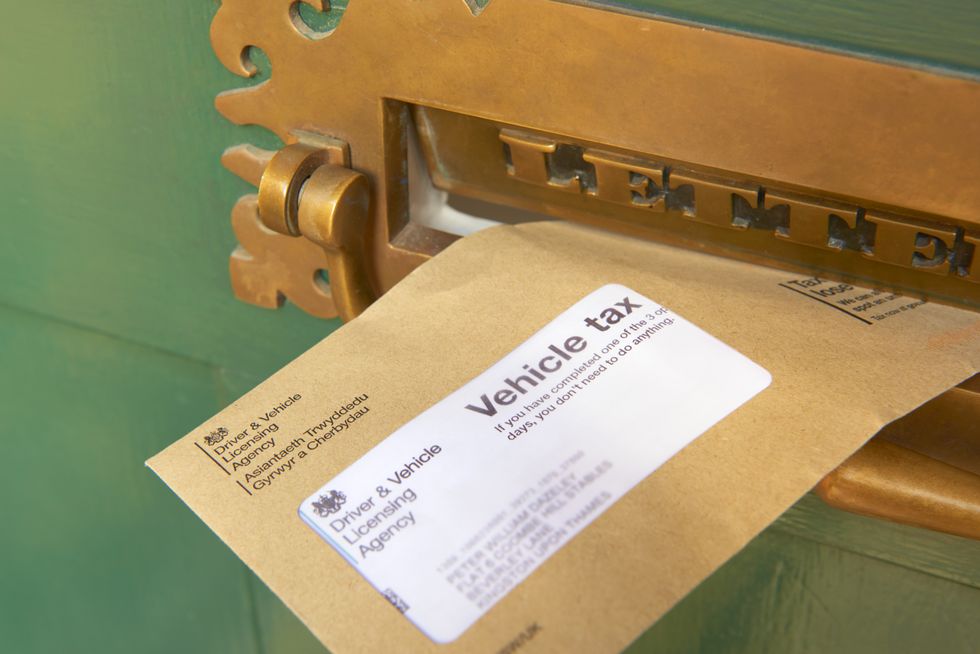
The new tax changes were unveiled this month to see VED increase in line with inflation
| GETTYThe data revealed a striking parallel between ownership trends and broader economic pressures, with the rise in scrap ages matching the UK's annual inflation rate of 11.1 per cent almost exactly.
Scottish cities have been experiencing the sharpest fuel price increases anywhere in the UK, driven by elevated distribution expenses to rural communities and compounded by the ongoing conflict in Iran.
At the end of last month, diesel in the Inner Hebrides reached a staggering 225.6p per litre, while petrol costs had climbed beyond £2 in certain Scottish areas.
"For cities like Stirling and Aberdeen that often feel the blow of expensive fuel, buying a new car has always been a difficult financial decision. But now, this decision is off the table for many families," Mr Fletcher said.
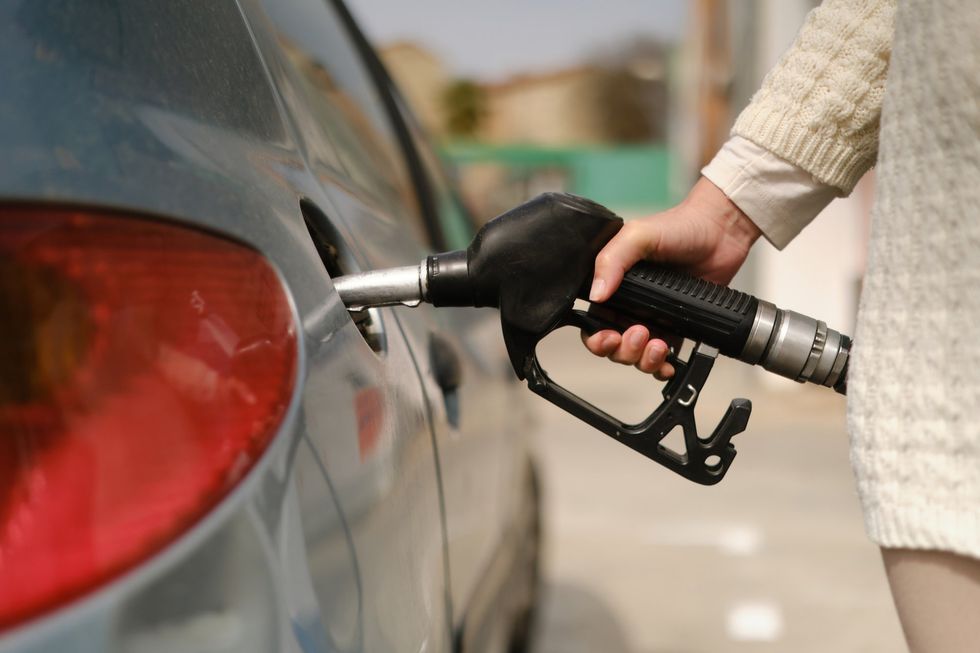 The difference between petrol and diesel prices has reached its highest level since at least 2003 | GETTY
The expert anticipated that the pre-owned vehicle market would continue expanding in the months and years ahead, with an increasing number of households turning to shared transport arrangements.
Current figures indicate that more than one in five British drivers already pool journeys with relatives, colleagues or friends as a cost-cutting measure.
The trend towards carsharing represents one of the few practical options available to families struggling with the combined weight of rising fuel costs, increased road tax and mounting repair bills.