










Chancellor Rachel Reeves has overseen the rollout of new car tax rules that could have a huge impact on thousands of drivers looking to buy an electric car.
From today, Wednesday, April 1, the terms of the Expensive Car Supplement will be changing to provide extra benefits for electric vehicles.
The threshold of the "luxury car tax" will jump from £40,000 to £50,000 for zero emission vehicles to remove extra barriers to entry for drivers.
All other petrol and diesel cars with a list price of more than £40,000 will fork out £440 a year for the five years of registration after the first 12 months of ownership.
TRENDING
Stories
Videos
Your Say
The Expensive Car Supplement must be paid in addition to the £200 standard rate, which is paid by all petrol, diesel, alternative fuel and electric cars.
While the new ECS rules have been introduced on April 1, 2026, the £50,000 threshold applies to zero emission cars registered on or after April 1, 2025.
The rate will also rise in line with the Retail Price Index inflation rate, jumping from £425 a year to £440.
Speaking during the 2025 Autumn Budget, she said: "I am providing support to boost our British car industry.
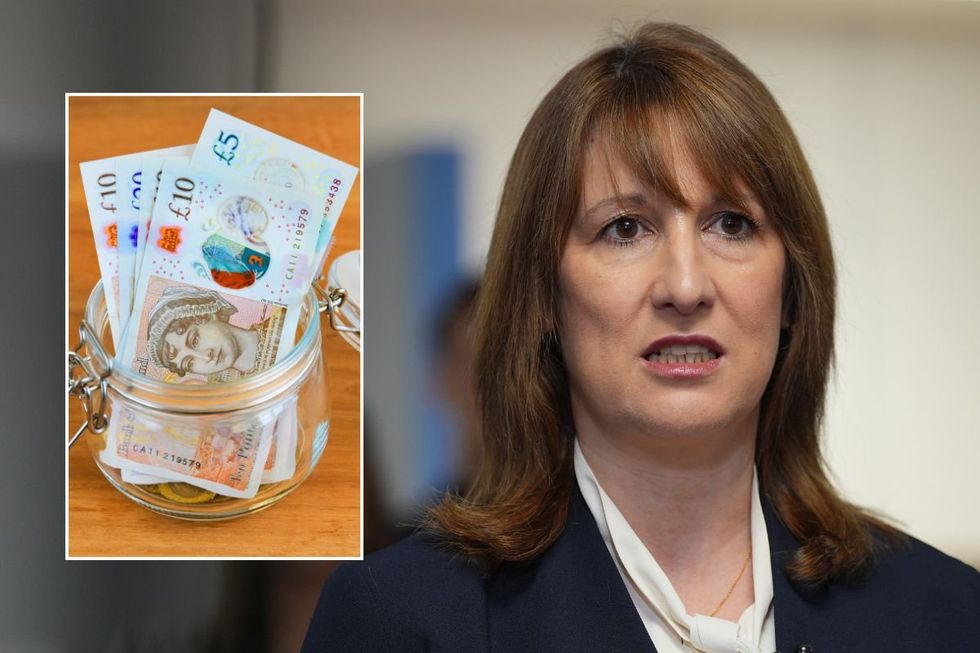
Rachel Reeves announced the threshold changes and inflation rise in the Autumn Budget last year
|GETTY
"Increasing the threshold for the Expensive Car Supplement on EVs to £50,000, saving over a million motorists £440 a year.
"Providing £1.3billion additional funding for the electric car grant - extending it to 2030 and taking total funding to £2billion, as well as delaying changes to the Employee Car Ownership Scheme."
Labour has consistently introduced measures to boost the uptake of electric vehicles, most prominently with the Electric Car Grant.
The incentive scheme is backed with almost £2billion in funding and has already helped tens of thousands of drivers buy an EV with a list price of £37,000 or less.
LATEST DEVELOPMENTS

Drivers will no longer need to pay the Expensive Car Supplement for the Tesla Model Y
| TESLASome of the most popular EVs on the market can be purchased with a maximum discount of up to £3,750, including the Ford Puma Gen-E, Mini Countryman Electric and the Nissan Leaf.
Chancellor Rachel Reeves also boosted electric car owners with an extra £100million in funding for EV charging infrastructure in last year's Budget.
Commenting on the new Expensive Car Supplement rules, Dom Tribe, auto sector lead and partner at PwC UK, described the rules as "a clear shift" in how electric vehicles are viewed.
He said: "The introduction of Vehicle Excise Duty and Benefit in Kind rates signals a shift away from incentivising EVs to normalising them.
 The Ford Puma Gen-E benefits from the £3,750 incentive in the Electric Car Grant | FORD
"The price disparity between BEVs and ICE vehicles persists, currently sitting at around 15 per cent, and the UK EV market continues to face pressure from cheaper international brands.
"However, the increase to the £40,000 to £50,000 (for EVs only), does take some steps to address this by improving the commercial viability of more models, recognising the price disparity."
He noted that Labour needed to avoid rash policy decisions that could impact the uptake of electric vehicles, especially over the next few years, which will be crucial to meet net zero targets.
The expert specifically pointed to the 2028 introduction of Electric Vehicle Excise Duty (eVED), which will see drivers charged 3p per mile if they own an EV, or 1.5p per mile with a hybrid.