









Rachel Reeves has handed thousands of drivers a crucial lifeline today with new car tax changes launching today.
Vehicles built before January 1, 1986, will now be exempt from paying Vehicle Excise Duty (VED), provided they are still registered.
Classic cars over 40 years old will continue to be exempt from VED, in keeping with tradition with the new financial year.
Currently, there are 1.9 million classic cars and motorcycles in the UK, with roughly 350,000 more than 40 years old and eligible for VED exemption.
TRENDING
Stories
Videos
Your Say
Dale Keller, CEO of the Historic and Classic Vehicles Alliance, said: "Preserving the exemption aligns with the Government's wider environmental goals through maintaining vehicles whose lifecycle carbon impact is negligible compared to the manufacture of new vehicles.
"Research suggested classic vehicles are used sparingly as cherished items of industrial and design heritage."
Mr Keller explained that the tax contribution of the vehicles was made decades ago and applying the VED "would be disproportionate to their use, which was the key factor in the exemption being applied in the first place".
The move comes in stark contrast to wider changes hitting motorists, with VED rates increasing for most petrol, diesel and electric vehicles in line with inflation, fueling concerns over a "two-tier tax system".
Experts have called for classic cars to remain exempt from VED at an earlier age
| PA/GETTYSpeaking to GB News, Mark Roper, managing director of classic car insurance firm Hagerty UK, welcomed the exemption but warned the system still unfairly penalises drivers with older vehicles.
He said: "We understand it takes money to keep the roads in good condition, and the Government is motivated to try to get people to purchase lower-emitting vehicles. So absolutely on board with all of that."
However, he argued the issue lies with cars that fall just short of the exemption threshold, saying: "Cars that are 20 to 40 years old, have had their carbon journey, they've been recycled multiple times through different ownership hands."
LATEST DEVELOPMENTS
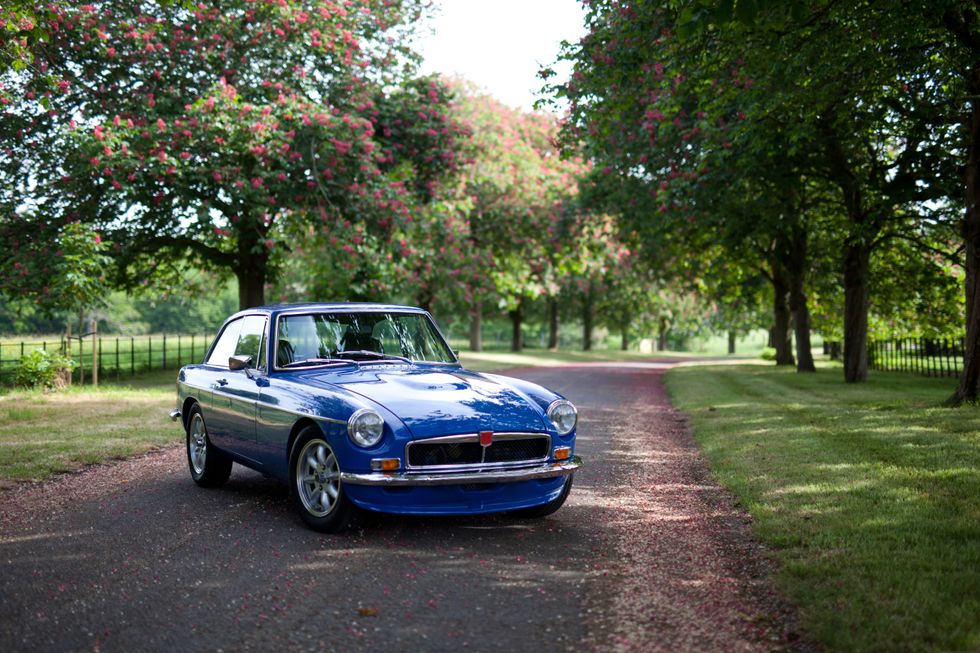
From today, vehicles first registered in 1986 will qualify for the 40-year classic car tax exemption
| GETTYUnder current rules, only vehicles over 40 years old qualify for free VED, leaving "modern classics" subject to full taxes, although they will face higher tax rates given the less-efficient petrol and diesel engines.
The Hagerty chief added: "These cars are not used as frequently, certainly less than 3,000 miles per annum, and they are not used in peak times. It feels unfair that those cars are being treated exactly the same as modern, everyday-use, daily driver cars."
"There is a sentiment and a purpose there. They're used for pleasure runs, to the countryside, to the beach, to the pub on a Sunday. They are for the enjoyment of driving, rather than the daily commute."
The comments come as Hagerty backs calls to reduce VED for vehicles aged between 20 and 39 years, arguing the current system fails to reflect how these cars are actually used.
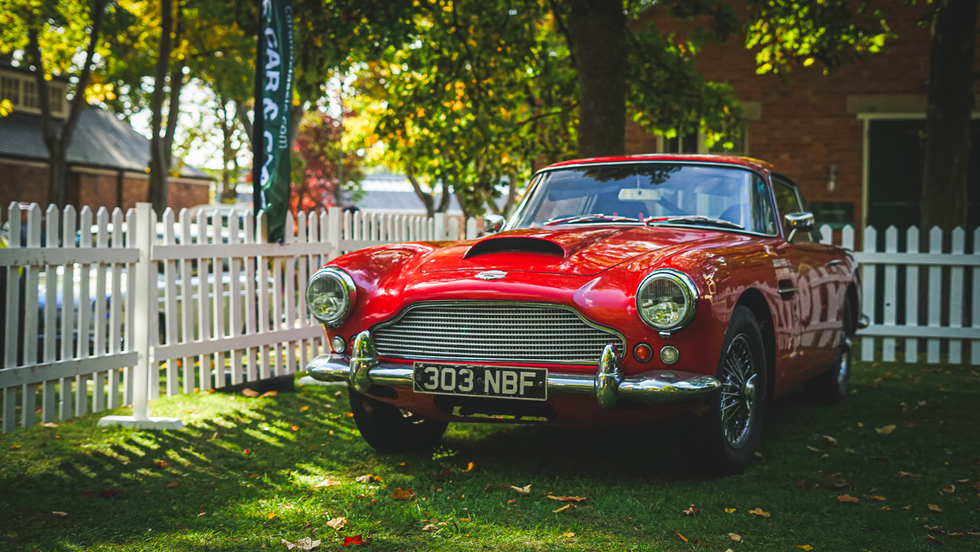 Historic vehicles do not have to pay car tax if they were built more than 40 years ago | CAR AND CLASSIC
Mr Roper said: "If the primary reason for VED is the upkeep of the road, one way of reducing impact is to drive less, and older cars tend to achieve both of those objectives.
"A lot of these older cars are not high-end sports cars; these are older family cars that lower-income families are driving today."
While the tax relief has been welcomed, Mr Roper insisted classic cars are here to stay regardless of future policy shifts.