








British drivers are turning their backs on electric cars and shifting back to petrol and diesel vehicles, according to a damning new report.
Research shows that 41 per cent of UK drivers intending to buy a vehicle in the next two years said they would opt for an internal combustion engine.
This is up from 36 per cent last year, and represents more than double the total interest in electric vehicles, which stands at just 19 per cent.
Last year's data highlighted that three in five motorists were looking to invest in cleaner and greener vehicles, although this has now fallen to 50 per cent.
TRENDING
Stories
Videos
Your Say
The main reason cited by motorists was the expensive purchase price of a new electric vehicle, although experts hope EVs will reach price parity with petrol cars in the coming years.
Upfront purchase prices are deterring motorists from investing in battery electric vehicles and plug-in hybrids, with 41 per cent citing this as the main factor.
The sale of new petrol and diesel cars will be banned from 2030, while only zero emission vehicles will be on sale from 2035.
Motorists were also concerned about battery ranges (36 per cent) and expensive battery replacements (30 per cent) as the most prominent reasons for avoiding EVs.
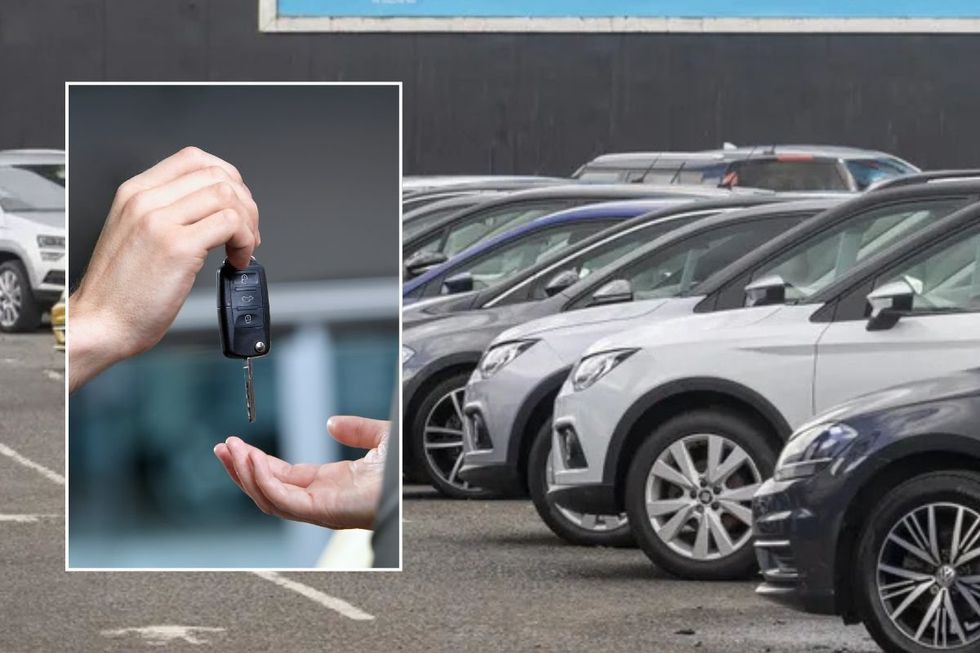
New data has found that motorists are turning their backs on new electric cars
|GETTY
Maria Bengtsson, EY UK and Ireland Mobility Leader, said: "UK BEV sales have seen significant growth in recent times, so it is surprising that the latest UK Mobility Consumer Index indicates a shift in preferences back towards petrol and diesel vehicles.
"Meanwhile, although BEV market share in the UK continues to trail the 28 per cent Zero Emission Vehicle (ZEV) mandate target, these sentiment figures shouldn't be a major cause for concern and there are still reasons for optimism."
The ZEV mandate requires manufacturers to have a minimum percentage of sales come from electric vehicles, with a 28 per cent target this year.
Targets will continue to rise over the coming years, reaching 80 per cent at the end of the decade, before 100 per cent of new vehicles will be zero emission in 2035.
LATEST DEVELOPMENTS
The latest data from the Society of Motor Manufacturers and Traders (SMMT) shows that electric cars make up 426,000 new registrations so far this year.
This represents an impressive year-to-date sales growth of 26 per cent compared to last year, while EVs control an impressive 22.7 per cent of the total market share.
Both petrol and diesel vehicles have seen a drop in sales over the last year, of 8.3 per cent and 15.8 per cent respectively.
Despite this, almost one in two of all new cars sold this year was petrol, while the UK continues to see the total market share of diesel drop to just 5.2 per cent.
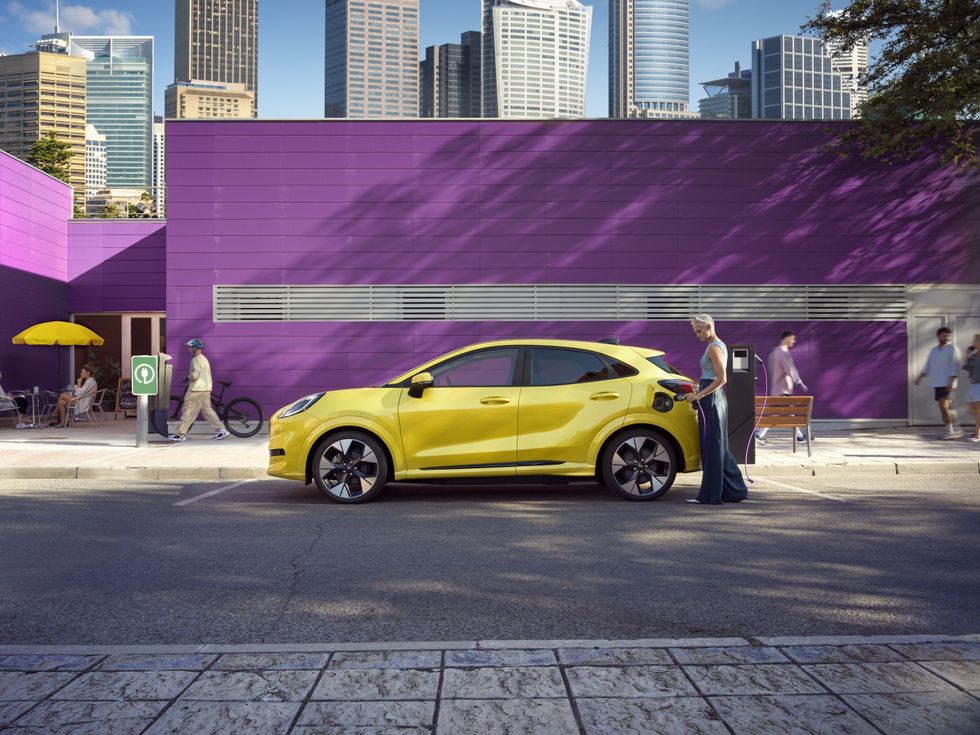 The Ford Puma Gen-E is one of eight vehicles eligible for the maximum £3,750 Electric Car Grant incentive | FORD
Ms Bengtsson noted that the Chancellor's recent Autumn Budget was positive for motorists looking to switch to electric cars with a huge £2.5billion funding investment.
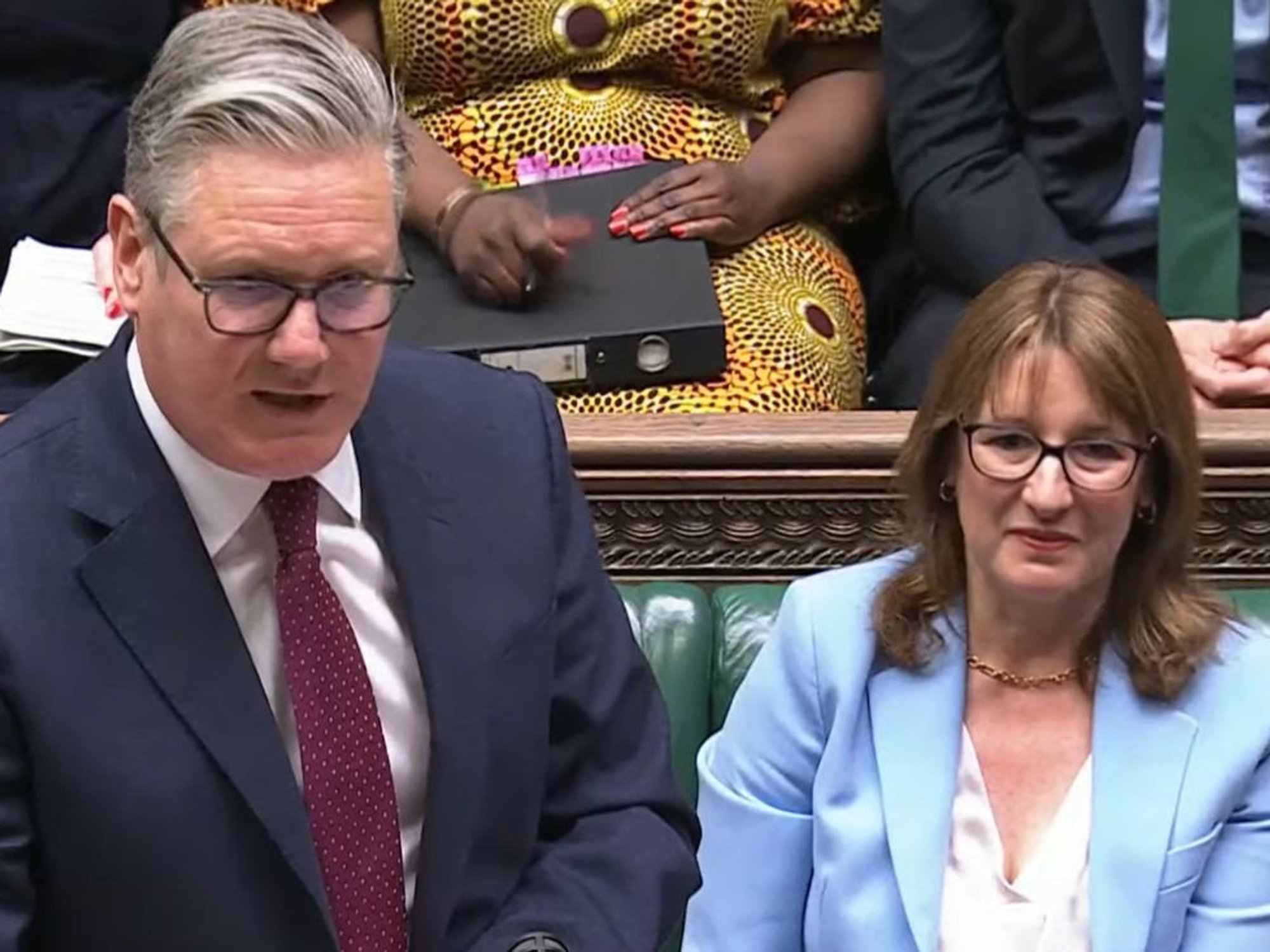
Rachel Reeves directed £1.3billion for the Electric Car Grant to help more motorists make the transition away from petrol and diesel vehicles, as well as £200million for EV chargers.
She said the funding would "help address some of the top concerns that UK respondents have cited" and allow more drivers to have confidence in zero emission vehicles.
"However, the new mileage-based tax on EVs could prove a barrier to demand, and with uptake still lagging behind legislation targets, more may need to be done to incentivise and accelerate demand for BEVs among consumers," Ms Bengtsson concluded.