










The UK's car industry could face a sharp decline unless ministers urgently change course on electric vehicle rules, a major new report has warned.
The UK Gigafactory Commission warned current Government policy has been driving investment out of Britain and putting hundreds of thousands of jobs at risk across the automotive sector.
UK vehicle production has fallen by more than a third over the past decade, according to the report, as manufacturers shift operations to countries with cheaper energy, faster planning systems and more generous state support.
Without swift action, the Commission warned Britain could risk losing its place as a serious carmaking nation. "Unless firm and coordinated action is taken, the UK risks falling behind its international competitors," the report stated.
The automotive industry employs more than 800,000 people across manufacturing, supply chains and dealerships, and contributes £22billion a year to the UK economy. The Commission said the scale of economic value is now under direct threat.
At the heart of the problem is the Government's Zero Emission Vehicle mandate, which forces manufacturers to ensure 80 per cent of new car sales are electric by 2030.
The Commission recommended cutting that target between 50 and 60 per cent, bringing the UK closer to the European Union's approach and easing pressure on manufacturers.
Industry leaders told the Commission that the current rules are making UK production unprofitable and discouraging firms from investing in British plants.
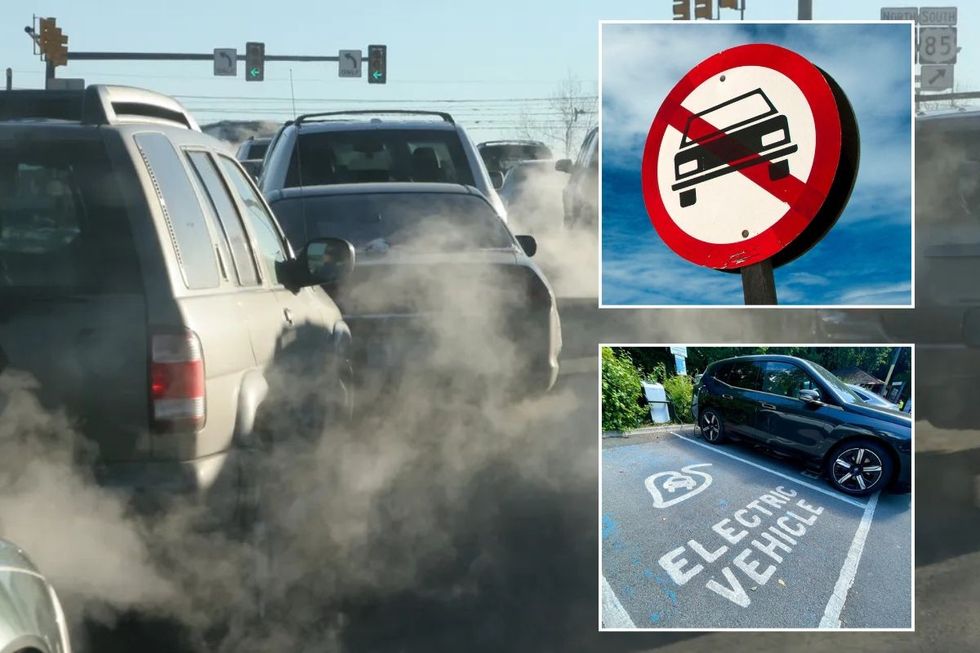
The automotive industry employs more than 800,000 people in the UK
| GETTY"UK-based OEMs have been clear in stakeholder interviews that the current approach is discouraging investment and that reform is required if they are to commit new model production to the UK," the report said.
Manufacturers also warned that consumer demand is not keeping pace with Government targets, leaving companies exposed to heavy financial penalties if electric sales fall short.
The Commission said this uncertainty increases the risk that new car models will be built overseas rather than in Britain.
Hybrid vehicles should continue to be allowed until 2035, the report said, alongside measures to make electric cars more affordable, including fleet incentives and equal VAT rates for home and public charging.
Another major barrier highlighted is Britain's sky-high industrial electricity costs, which the Commission described as a "fundamental obstacle" to investment.
LATEST DEVELOPMENTS:
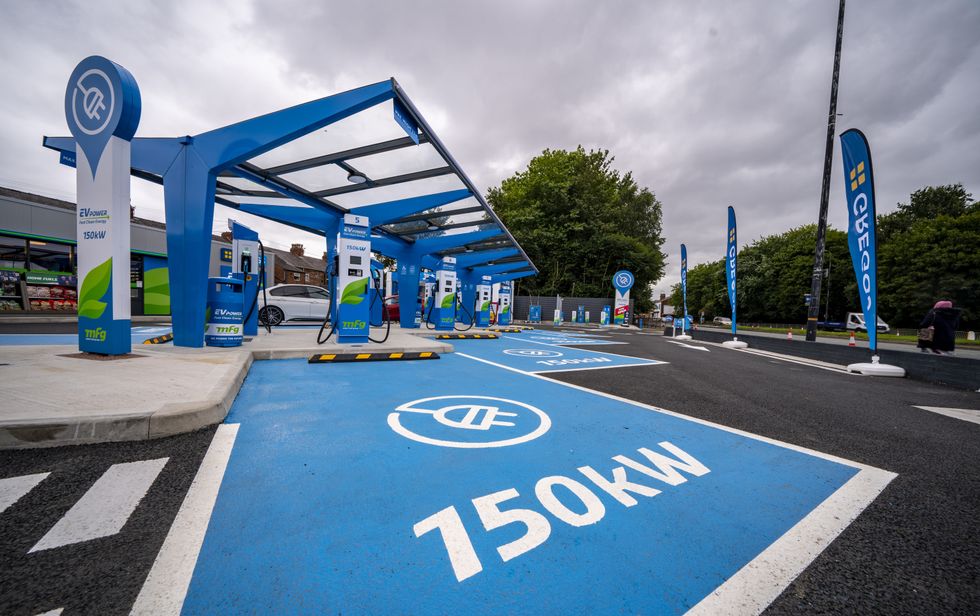 The European Commission relaxed its electric car rules in December | PA
UK electricity prices for manufacturers are currently around double the European average, making Britain one of the least competitive locations for battery production.
For a typical large gigafactory, electricity makes up 26 per cent of total production costs in the UK, compared to just 14 per cent in China.
The Society of Motor Manufacturers and Traders ranked the UK last among major competitor nations for industrial electricity prices in automotive production.
While schemes like the British Industry Supercharger have helped, the Commission said they do not go far enough.
"Energy affordability should be front and centre in investor discussions," the report warned, as many projects are rejected early due to high UK costs.
To address the crisis, the Commission called for a single Cabinet-level minister to be made directly accountable to the Prime Minister and Chancellor for securing car and battery investment.
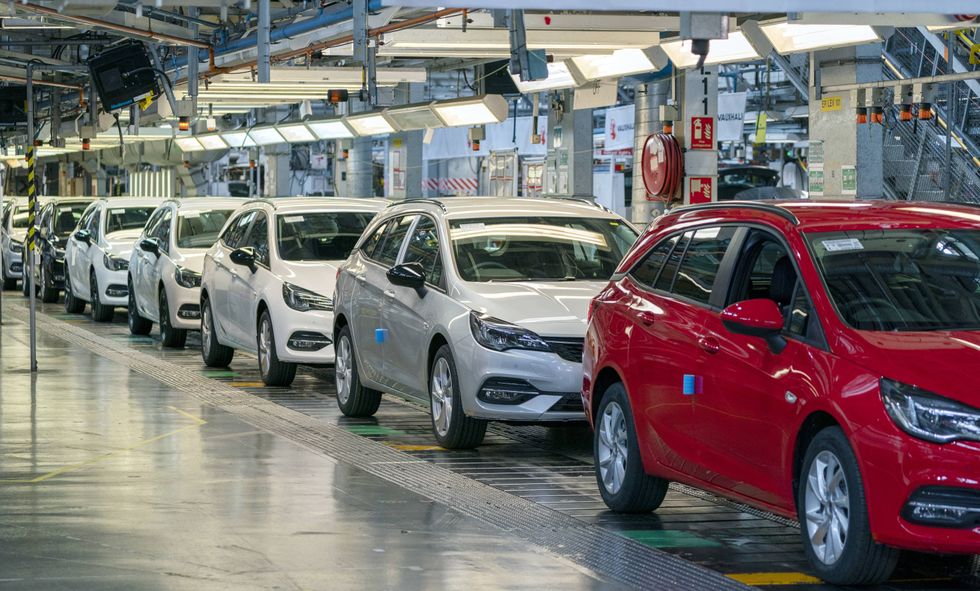
The report called on Labour to amend the ZEV mandate to fall in line with European standards
| PAThis minister should actively pursue global deals rather than wait for companies to approach the UK, supported by a powerful Cabinet sub-committee able to cut through bureaucracy, the report detailed.
The report urged a shift from what it called a "passive open-for-business stance" to an "active deal-making approach". Particular focus should be placed on Asian manufacturers expanding into Europe, with Britain marketed as a gateway to the European market.
In the foreword, Commission chairman Lord Hutton said the issue could not be ignored. "Batteries have become a national strategic imperative," he wrote.
"The UK cannot afford to remain dependent on foreign supply chains for such a vital component of our economic and energy future."
The Commission warned that UK battery demand could exceed 100 gigawatt-hours in the early 2030s, yet only one major gigafactory is currently operating.
Key decisions on energy costs and site preparation must be taken within the next 12 to 18 months, the report concluded, or Britain's car-making future will be built elsewhere.