











Scientists in Southampton have developed a groundbreaking nasal spray vaccine that could transform the fight against whooping cough by halting transmission of the highly contagious disease.
The vaccine, called BPZE1, was created at the NIHR Southampton Biomedical Research Centre and functions by preventing the bacteria from establishing themselves in the nose and throat.
Unlike existing jabs, which fail to stop people carrying and passing on the infection, this new approach could provide extended protection for the wider population rather than focusing solely on newborns.
Researchers found the spray produced robust immune responses in both nasal passages and the bloodstream during trials.
TRENDING
Stories
Videos
Your Say

Existing jabs fail to stop people from carrying and passing on the infection
|GETTY
The development comes amid a devastating surge in whooping cough cases across England. During 2024, roughly 15,000 infections were recorded, a dramatic increase from just 856 cases in the preceding year. Tragically, 11 infants lost their lives during this outbreak.
The disease spreads with alarming ease between individuals and can prove fatal, particularly for the youngest patients.
Existing vaccines administered through the NHS do not confer lifelong immunity. Crucially, they also fail to prevent vaccinated individuals from harbouring the bacteria or transmitting them to others, leaving vulnerable populations at continued risk despite widespread immunisation programmes.
The Department of Health and Social Care-funded trial was conducted by the NIHR, with Professor Robert Read leading the Southampton research team.
Professor Read said the vaccine "could represent a big step forward in stopping the spread of the disease".
LATEST DEVELOPMENTS
Should subsequent trials confirm these promising results and regulatory approval follow, the nasal spray could be administered to both adults and children, broadening protection across age groups.
The approach marks a significant departure from current immunisation strategies, which primarily target pregnant women and young children without addressing the underlying transmission chain that allows the bacteria to circulate through communities.
Public health minister Ashley Dalton described the findings as a "major breakthrough" in tackling whooping cough, adding: "It could cut transmission and offer longer-lasting protection for everyone, not just newborns.
"It's a powerful showcase of the UK's world-class research sector, driving innovation to protect future generations."
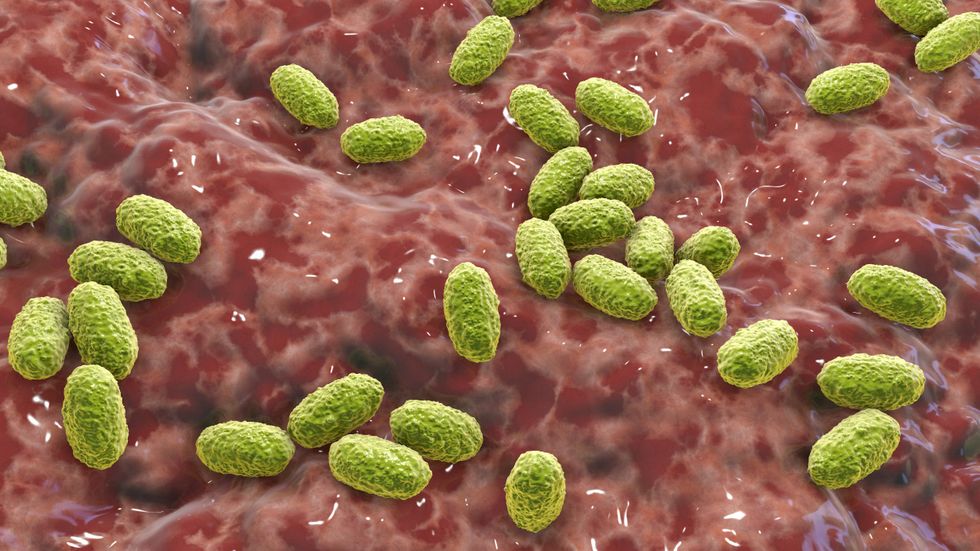
The disease spreads with alarming ease
|GETTY
Currently, the NHS provides whooping cough immunisation as part of the 6-in-1 jab given to young babies, with an additional booster administered at age three. Expectant mothers receive the vaccine around the 20-week mark of pregnancy.
Initial symptoms mirror those of a common cold before progressing to characteristic coughing fits, sometimes accompanied by a distinctive "whoop" noise. Parents of infants under six months displaying these signs should seek urgent medical attention.
Our Standards: The GB News Editorial Charter