










Genetic variations connected to appetite and digestion may determine how effectively individuals respond to popular weight-loss medications such as Wegovy and Mounjaro, according to new findings published in the journal Nature.
The study examined data from 15,000 people who had undergone genetic testing through 23andMe before taking obesity treatments.
Participants shed an average of 11.7 per cent of their body weight over approximately eight months of treatment. However, outcomes varied dramatically between individuals.
Some patients lost as much as 30 per cent of their weight, while others experienced minimal or no reduction whatsoever.
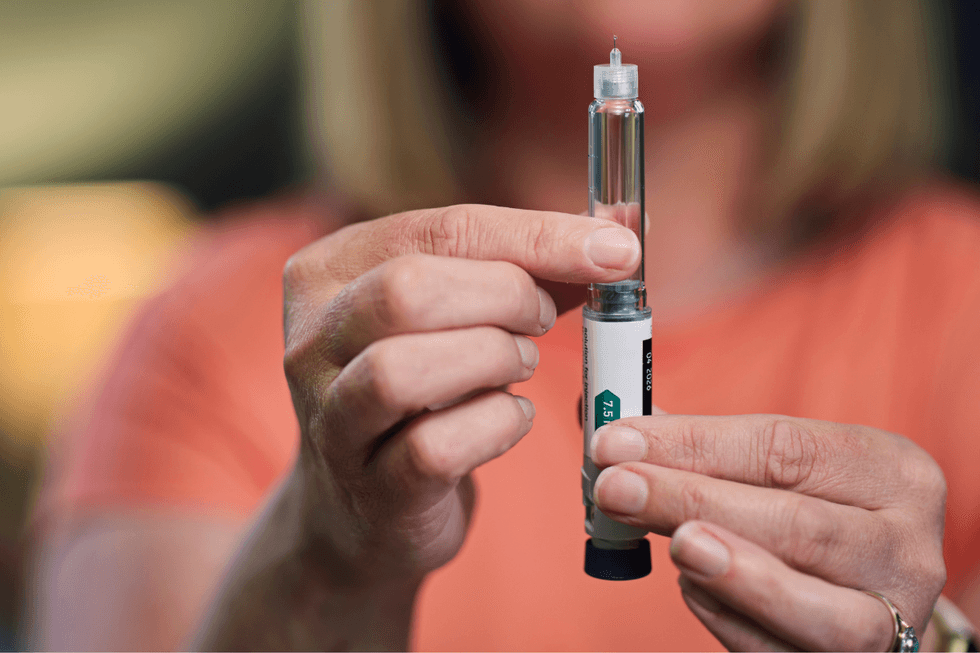
An estimated 1.6 million Britons have tried weight-loss medications in the past year,
|GETTY
Scientists analysed millions of genetic variants across the cohort and identified patterns linking specific gene variations to both drug effectiveness and the severity of side effects experienced by users.
Professor Ruth Loos, from the University of Copenhagen, who wrote about the research in Nature, said: "The study found a genetic variant associated with weight loss, which was also associated with nausea."
She added: "People lose more weight if they have this variant."
Those carrying the variant lost approximately 0.76kg more on average, though individuals with two copies of the relevant genes could double this additional loss.
The distribution of this variant differs markedly across ethnic backgrounds. Among those with European ancestry, 64 per cent carry one copy, whilst 16 per cent possess two copies.
By contrast, only seven per cent of African Americans carry a copy of the gene.
"If you carry the variant, you will lose more weight," Prof Loos confirmed.
LATEST DEVELOPMENTS:
Researchers also identified a separate genetic variant that appears responsible for adverse reactions to tirzepatide, marketed as Mounjaro.
This variant could cause up to one per cent of patients taking the medication to experience severe vomiting, nearly 15 times worse than typical reactions.
Prof Loos acknowledged that the genetic influence, while modest, "is similar to other factors - and not trivial".
She cautioned, however, that these findings require replication in additional studies, which have not yet occurred.
Clinical trials have previously indicated that semaglutide, sold as Ozempic and Wegovy, typically produces around 14 per cent weight loss, while tirzepatide can achieve approximately 20 per cent.
An estimated 1.6 million Britons have tried weight-loss medications in the past year, with most purchasing privately through online pharmacies. Beyond genetics, numerous other elements shape treatment outcomes.
Previous research suggests women are more than twice as likely as men to lose 15 per cent of their body weight on Mounjaro.
Younger patients, along with those who are white or Asian, also tend to achieve greater weight loss, though the underlying reasons remain unclear.
Dr Marie Spreckley, from the University of Cambridge, emphasised that "genetics is only one part of a much more complex picture", noting that behavioural, clinical and treatment-related factors remain the primary drivers of results.
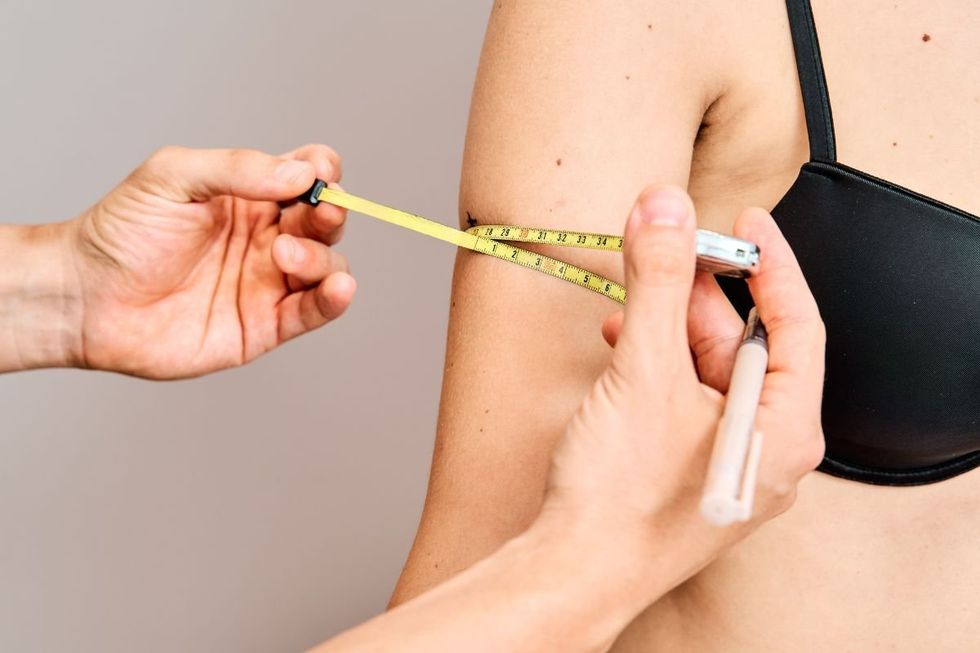
This variant could cause up to 1 per cent of patients taking the medication to experience severe vomiting
|GETTY
Professor Naveed Sattar, a metabolic health expert from the University of Glasgow, offered measured enthusiasm.
"Overall, these findings are scientifically interesting, but they are a long way from changing clinical practice," he said.
"What we really need now is more robust trial data to better define the balance of benefits and harms with these and many other emerging newer therapies."
Our Standards: The GB News Editorial Charter