










While vitamin A often gets all the credit for healthy eyes, omega-3s are equally crucial for keeping the eyes structurally strong, experts have stressed.
According to the World Health Organization, over 2.2 billion people globally are living with some form of vision impairment, and more than 11 per cent of adults deal with chronic dry-eye symptoms.
What's more, the figure is climbing fast due to increased screen time, ageing populations, and city living.
Research over the past decade shows that omega-3 fatty acids, particularly DHA, play a protective role in keeping eyes healthy.
Diets lacking these essential fats or loaded with omega-6s from processed foods are linked to higher rates of dry-eye disease and age-related vision decline.

Vision impairment has become a widespread issue across the globe
|GETTY
For those who prefer plant-based options, chia seeds are brilliant, offering a whopping 17.8 grams of ALA omega-3s per 100 grams. This makes them one of the most concentrated vegetable sources around.
While only a small portion of ALA converts to DHA in the body, eating them regularly can still improve the fatty-acid makeup of tear-film glands, helping stabilise that protective tear layer and ease dryness from staring at screens all day.
Then there's purslane, often dismissed as a garden weed but actually one of the few leafy greens containing both ALA and trace amounts of EPA.
Its natural antioxidants, including vitamins A and E, work alongside omega-3s to reduce inflammation on the eye's surface.
Omega-3-enriched eggs offer a handy alternative for people who don't fancy fish. When hens eat algae or flaxseed, their eggs become a decent source of DHA, delivering around 0.10 grams per 100 grams.
This particular fatty acid supports the meibomian glands, which produce the oily layer of tears that stops them from evaporating too quickly.
Having enriched eggs a few times weekly can help keep eyes lubricated and banish that gritty feeling.
LATEST DEVELOPMENTS
Seaweed varieties like nori, dulse, and kelp are among the only vegan sources of pre-formed DHA and EPA.
These marine omega-3s help maintain retinal cell membrane integrity and strengthen the tear film's lipid layer.
Mussels are a fantastic choice for anyone wanting a concentrated hit of DHA. With 0.43 grams per 100 grams and low mercury levels, they directly nourish the retina and strengthen photoreceptor membranes.
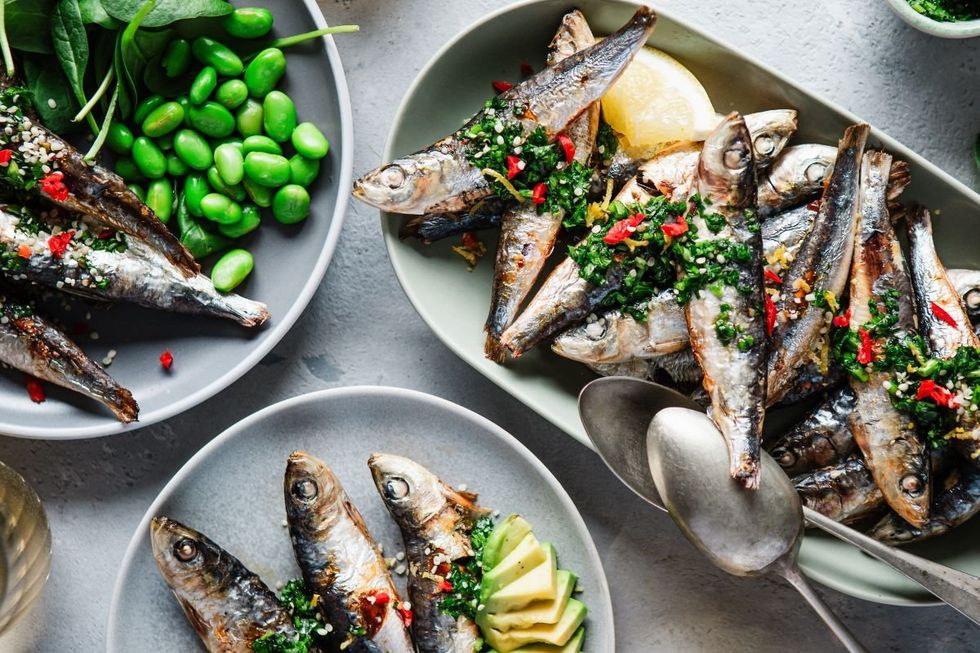
Consistent omega-3 intake keeps eyes hydrated and resilient
|GETTY
Even eating them once or twice monthly can meaningfully boost your body's omega-3 index.
"Seafood remains the strongest dietary source, with oily fish like salmon and mackerel providing around 0.7–1.5 grams of DHA per 100 grams," say experts from Overnight Glasses.
"Yet most Western diets still fall short, with a high omega-6 to omega-3 ratio limiting the eye's natural defences."
Our Standards: The GB News Editorial Charter