










If you are taking statins and wondering what to expect in those first few days, a GP has shared some helpful advice on what is normal and what's not.
Dr Naveed Asif, a GP at The London General Practice, told GB News digestive troubles are the most frequently reported early issues when starting these cholesterol-lowering medications.
"The majority of early side effects of statins involve the gut and digestion, which include bloating, abdominal pain, liver problems, limb tingling, and a change in bowel motions (both constipation or diarrhoea)," he told the People's Channel.
Fortunately, these symptoms often settle down after the first few days as your body gets used to the medication, according to the NHS.
TRENDING
Stories
Videos
Your Say
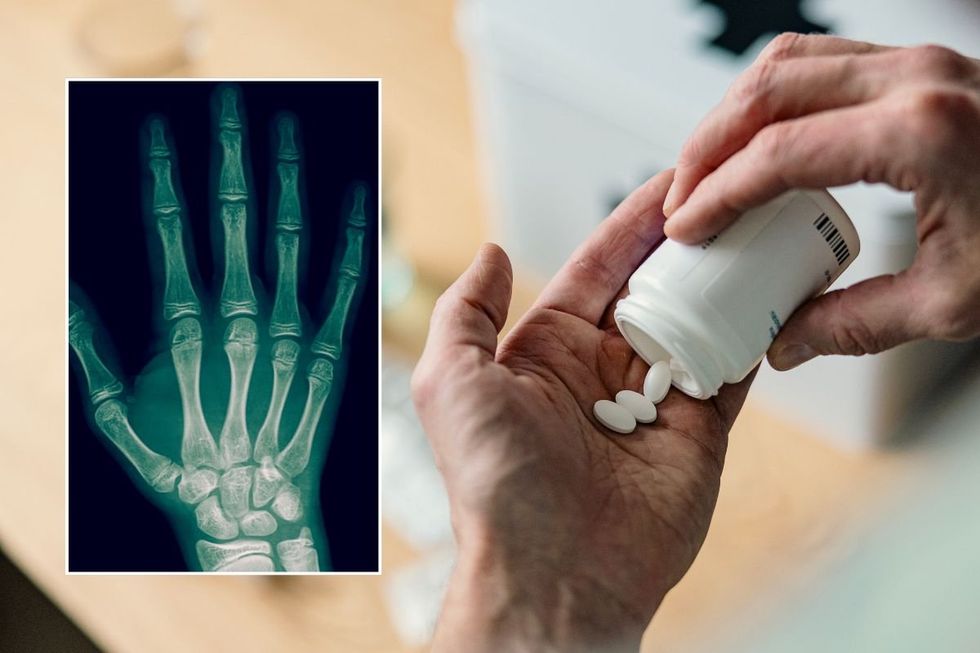
Approximately one in 10 patients on statins experiences fatigue in the long term
|GETTY
He added: "Longer term, approximately 1 in 10 patients may notice some fatigue, muscle or joint discomfort at higher doses, which are usually the most bothersome."
But Dr Asif said doctors can help by lowering the dose or starting patients on a smaller amount to begin with.
However, he stressed that severe symptoms need urgent attention.
"If the symptoms are severe, it is important to seek urgent advice due to the risk of a rare and serious condition called rhabdomyolysis, which causes muscle destruction and can lead to heart and kidney damage," he warned.
LATEST DEVELOPMENTS
He also flagged that any yellowing of the skin or eyes, or dark-coloured urine, should prompt an immediate medical review as these could signal liver problems like jaundice.
Despite the potential side effects, the cardiovascular benefits of statins are clear and substantial.
Research shows these medications can slash 'bad' LDL cholesterol by roughly 30 to 50 per cent within just four weeks of starting treatment. And the long-term payoff is impressive.
Dr Asif explained: "The cardiovascular benefits are widely accepted to be significant: with every 1mmol/L reduction of 'bad' cholesterol, the risk of stroke or heart attack is reduced by 21 per cent and death by 12 per cent."
He was clear about who should be taking these drugs, noting that "it is unequivocal that all high-risk patients who have ever had, or are at risk of, a stroke or heart attack should be on a statin".
While most people tolerate statins without any problems, how well you respond can depend on several personal factors.
If your statins aren't working, switching to a different drug may be preferable to stopping treatment altogether
|GETTY
Genetics, lifestyle choices, existing medications and underlying health conditions such as kidney or liver disease can all play a role in how your body handles the treatment.
Dr Asif also pointed out that staying active, maintaining a healthy weight and eating well can boost the medication's effectiveness while reducing the chance of troublesome side effects.
And if statins are not working for you, there are options, according to the doctor.
"The two primary reasons for switching a statin would be if there are significant side effects that impact the quality of life, or if there is inadequate cholesterol reduction," Dr Asif said.
Crucially, he advised switching to a different statin is preferable to stopping treatment altogether.
Our Standards: The GB News Editorial Charter