










Approximately one in eight men across the United Kingdom receives a prostate cancer diagnosis each year, making it the most prevalent form of the disease among the male population.
For Black men, the figure rises significantly to one in four. Trans women and non-binary individuals assigned male at birth should also remain vigilant about this condition.
Marc Laniado, a consultant urological surgeon, says warning signs like frequent trips to the bathroom at night continue to slip under people's radar.
The prostate itself is a walnut-sized gland positioned beneath the bladder, primarily responsible for producing seminal fluid.
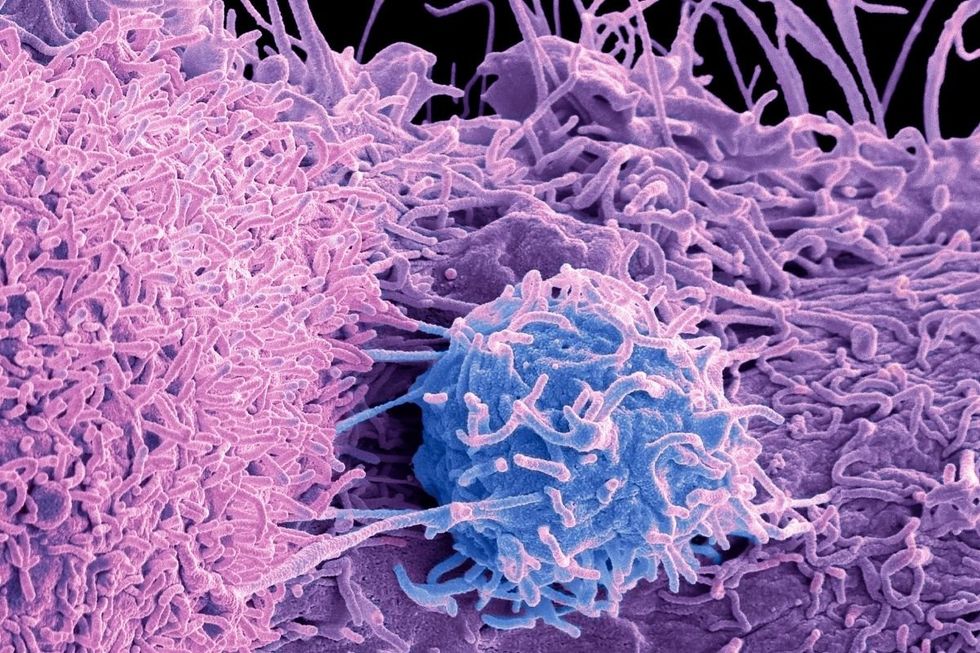
One in eight men across the United Kingdom receives a prostate cancer diagnosis each year
|GETTY
Mr Laniado explained: "Prostate cancer happens when cells in the prostate start to grow in an uncontrolled way. Now, the important thing to understand is that prostate cancer isn't one disease - it's a whole spectrum."
The surgeon noted that early-stage prostate cancer frequently presents no symptoms whatsoever.
And when indicators do emerge, they typically involve urination difficulties due to the gland's position surrounding the urethra.
Mr Laniado shared: "Despite these symptoms potentially being due to prostate cancer, they are also often caused by benign prostatic enlargement (BPE). BPE is a non-cancerous swelling of the prostate that commonly occurs as men age. It's a nuisance, not a danger."
Men should pay attention to increased nocturnal trips to the lavatory, as a tumour pressing against the bladder will reduce its capacity.
What's more, pressure on the urethra makes it more difficult to empty the bladder, meaning it fills up faster shortly after you use the restroom.
A weakened or intermittent urinary stream also warrants consideration. Feeling as though the bladder has not fully emptied is another common indicator. Sudden urgency, where one fears not reaching the toilet in time, should likewise prompt attention.
The difficulty, Mr Laniado noted, lies in distinguishing between benign and cancerous causes based on sensation alone.
LATEST DEVELOPMENTS
Uncommon symptoms
The presence of blood in urine or semen should never be dismissed.
Pain experienced during ejaculation represents another warning sign that men often overlook. Newly developed difficulties achieving or maintaining erections may also indicate underlying prostate issues.
Should the cancer advance beyond the prostate gland itself, additional symptoms may manifest. Persistent discomfort in the lower back region without a clear explanation requires investigation.
Hip pain that lingers without obvious injury or strain is similarly concerning. Pelvic discomfort that refuses to subside should prompt a conversation with one's doctor.
Mr Laniado noted that thanks to improved testing protocols, cases where the cancer has spread are becoming less common at the point of diagnosis.
Beyond these more recognisable indicators, several subtle signs frequently escape notice entirely. Unexplained weight loss that occurs without dietary changes or increased physical activity merits attention.
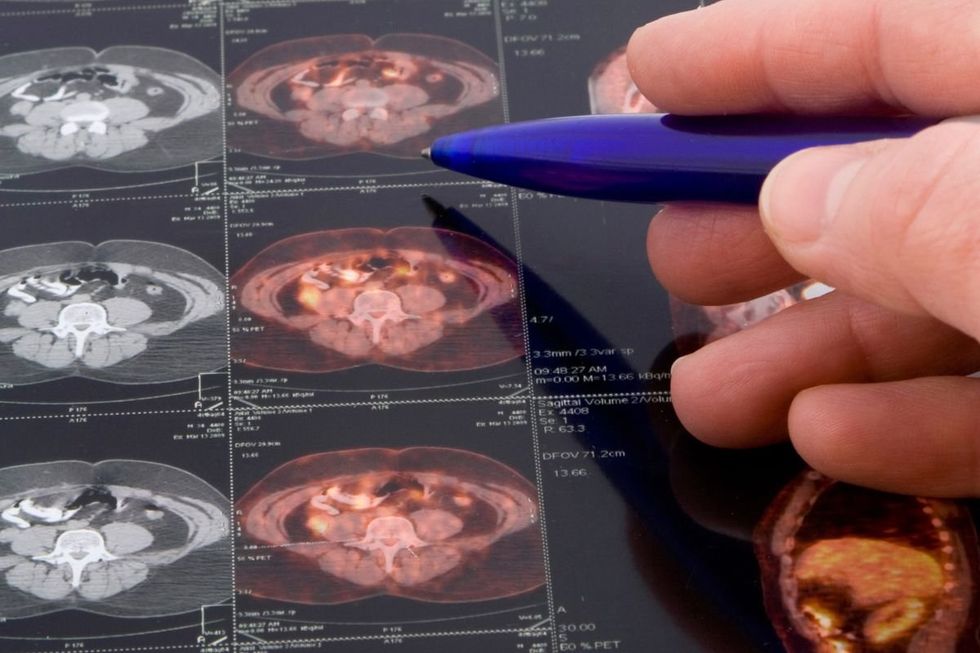
The prostate is a walnut-sized gland positioned beneath the bladder
| GETTYFatigue that persists despite adequate rest is another symptom men commonly attribute to other causes. A dull, persistent ache in the perineum, the area situated between the scrotum and back passage, may also signal prostate concerns.
Mr Laniado advised: "These aren't classic textbook symptoms, and may be due to noncancerous conditions, but should be discussed with your GP if they're persistent."
The specialist stressed that whilst such symptoms do not automatically indicate cancer, their continued presence warrants professional evaluation.
Early detection remains paramount in achieving successful treatment outcomes for this widespread condition affecting British men.
Our Standards: The GB News Editorial Charter