










Anecdotal accounts of humans sniffing out diseases suggest the nose may be the first line of defence against disease. Scientists have also identified a host of ways diseases like cancer can change our sense of smell.
The notion carries scientific credibility, according to a clinical advisor at Marietta Spring, Dr Brian Honeyman, MD, PhD, who says "tumours can potentially disrupt odour perception via at least three different mechanisms".
He told GB News laboratory research suggests cancer affects the body's metabolic processes. And in doing so, it generates modified metabolite levels that subtly influence sensory processing.
The first way the malignancy interferes with the sense of smell is through the nasal cavity or sinuses when the tumour develops. Secondly, cancer may trigger a systemic inflammatory response that disrupts normal sensory function.

Cancer can affect normal sensory function by triggering an inflammatory response
|GETTY
"Thirdly, it causes neurological disruption of areas of the brain involved in odour perception, including parts of the temporal lobe and frontal lobe due to the presence of cancer or metastatic disease," Dr Honeyman shared.
For some patients, these neurological disruptions may manifest as persistent distortion in olfactory abilities. A small portion of people experience phantosmia, where they detect foul or chemical odours without an actual source present.
In other instances, patients report gradually losing their capacity to smell altogether, though this is much rarer, according to Dr Honeyman.
LATEST DEVELOPMENTS
He notes symptoms of this nature typically stem from benign conditions in the head and neck region. Often, these changes are caused by a bad case of sinusitis or viral infection, with medication side effects accounting for most cases of smell loss.
So, when should one worry? Dr Honeyman noted "more serious clinical presentations of distorted smell would be unilateral presentation of loss or alteration of smell, progressive deterioration or combination with other neurologic findings such as seizures, personality changes or unexplained headaches".
But as science shows, every breath, drop of urine or bead of sweat carries a chemical story. Research in the emerging field of cancer volatilomics is helping scientists understand volatile organic compounds produced by the body.
These traces may one day help doctors detect the disease through non-invasive samples.
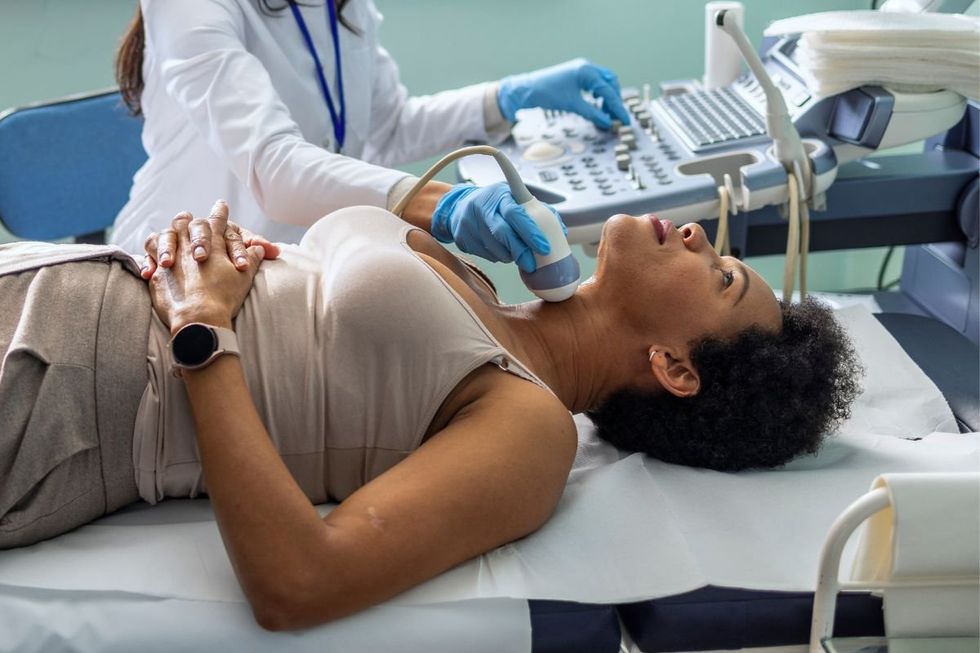
Neurological disruption of the brain could alter odour perception
|GETTY
"Using gas chromatography and/or sensors, some initial studies indicate that it may eventually be possible to identify unique chemical profiles associated with specific types of cancers before those cancers produce symptoms or can be detected by imaging technologies," Dr Honeyman noted.
Although for now, such studies will need several years to complete, meaning they remain some distance away from clinical use.
Our Standards: The GB News Editorial Charter