








A landmark £42million research programme aimed at establishing an NHS prostate cancer screening system has commenced, with organisers placing particular emphasis on enrolling black men into the study.
The Transform trial, which has already welcomed its initial participants, seeks to determine the most effective approach for future nationwide screening.
Black men face twice the likelihood of both contracting and succumbing to prostate cancer compared to other groups, making their inclusion essential to the research.
Trial coordinators have committed to ensuring that a minimum of 10 per cent of participants are black, addressing both their elevated risk profile and their historical underrepresentation in medical research.
TRENDING
Stories
Videos
Your Say
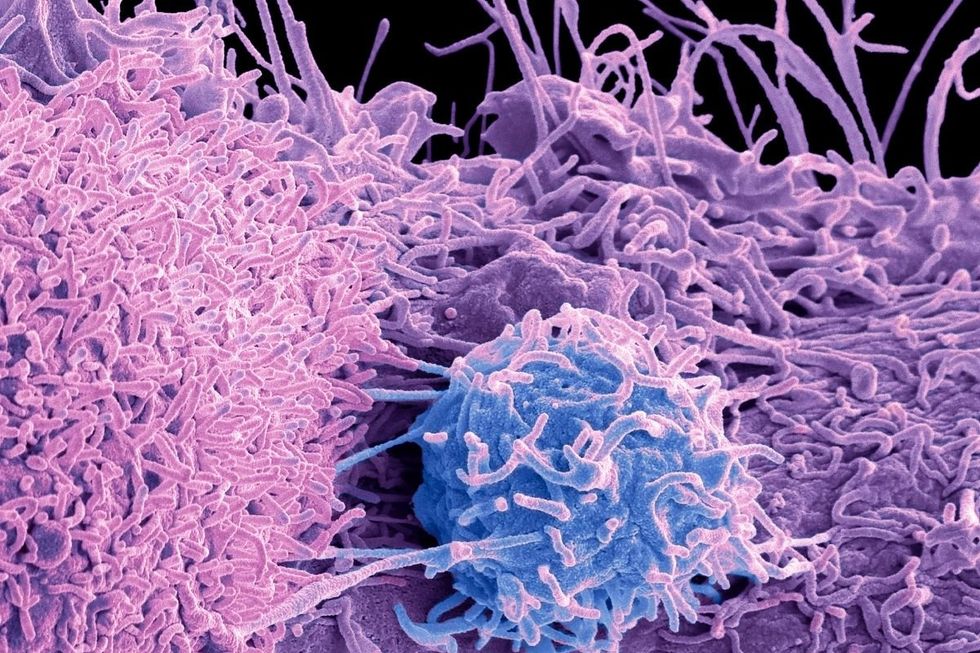
Black men face twice the likelihood of both contracting and succumbing to prostate cancer
|GETTY
The study represents a significant step towards tackling what Health Secretary Wes Streeting has described as an "unacceptable disparity" in cancer outcomes.
General practitioners across the country are now inviting 16,000 men to participate in the first phase of the study.
Participants will undergo a combination of testing methods, including the established prostate-specific antigen blood test, rapid MRI scans, and an innovative saliva-based genetic test to assess individual risk levels.
Men between 50 and 74 years of age are eligible for invitation, though black men may be recruited from the age of 45 owing to their heightened susceptibility.
Those who have recently undergone testing or received a diagnosis will be excluded from participation.
Results from this initial phase will be measured against current NHS care standards.
The most promising screening combinations will subsequently progress to a second stage involving more than 300,000 men.
At present, men aged 50 and above must actively request a PSA test from their doctor rather than receiving an automatic invitation, with positive results triggering further investigations such as biopsies.
The UK National Screening Committee is expected to deliver its final recommendation on prostate cancer screening this week.
LATEST DEVELOPMENTS
A draft recommendation issued last year rejected broader implementation, suggesting instead that only men carrying specific genetic variants warranting elevated risk should be screened.
Mr Streeting convened discussions in January with Chief Medical Officer Professor Sir Chris Whitty, UKNSC leaders, and various experts to "thrash out the arguments" surrounding the issue.
A targeted screening approach encompassing black men was among the proposals presented to the Health Secretary, who acknowledged there had been a "frank conversation" that would "inform my thinking".
Prostate cancer now stands as Britain's most prevalent cancer, yet remains the sole major form of the disease lacking a dedicated screening programme.
The funding for the trial comes from the National Institute for Health and Care Research, which has contributed £16million, with Prostate Cancer UK providing the remaining £26million.
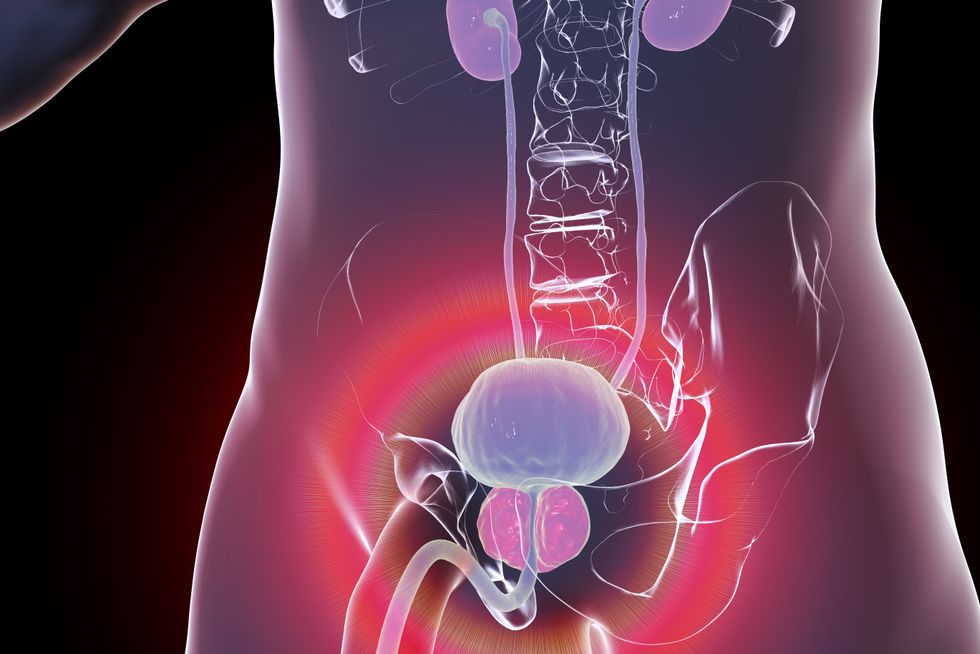
Prostate cancer now stands as Britain's most prevalent cancer
|GETTY
Professor Lucy Chappell, chief scientific adviser at the Department of Health and NIHR chief executive, said: "The team is working closely with black community leaders and organisations as part of our commitment to ensure meaningful participation in research among everyone in our society."
Jaroslaw Galik, 55, from London, was among the first participants tested at the InHealth community diagnostic centre in Ealing, west London.
He said: "If taking part helps move us closer to having a proper screening programme in the future, so men are just invited by their GP like they are for other cancers, that would make such a difference."
Laura Kerby, chief executive of Prostate Cancer UK, said: "We know that a safe and effective mass screening programme could save thousands of men's lives."
Our Standards: The GB News Editorial Charter