










Two pupils at schools in Reading are receiving treatment for meningitis following the death of a student at Henley College in Oxfordshire.
The UK Health Security Agency has identified the affected institutions as Reading Blue Coat School and Highdown Secondary School and Sixth Form Centre.
A local GP surgery confirmed the deceased student had been attending Henley College.
The UKHSA announced that one case has been identified as meningitis B, matching the strain responsible for fatal infections in Kent earlier this year.
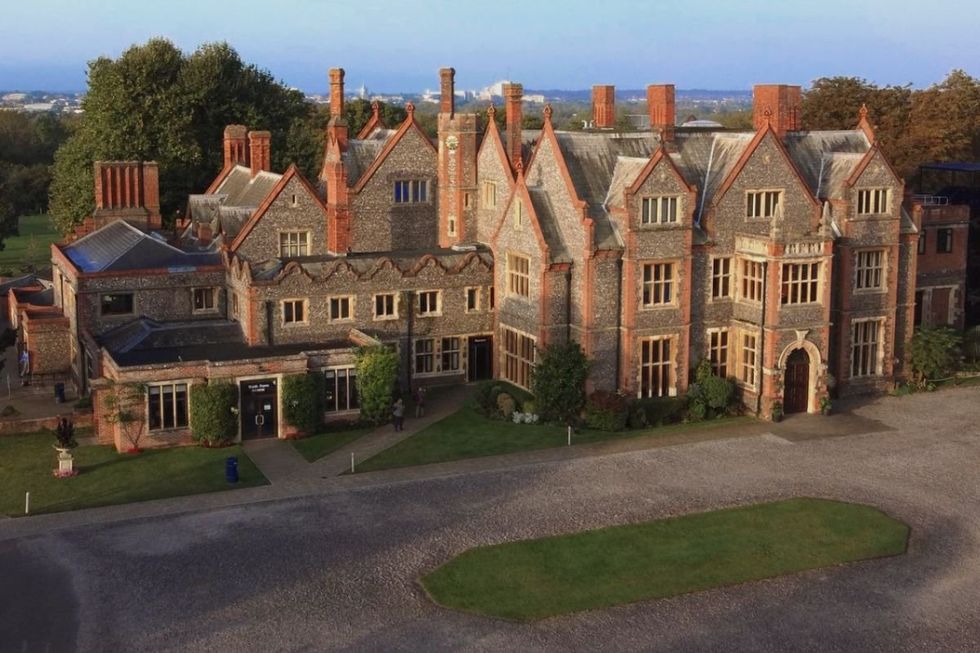
One of the surviving patients is enrolled at Reading Blue Coat School
|RBCS
Those who had close contact with the patients have been given precautionary antibiotics, according to health officials.
The outbreak has prompted concern across the region, though authorities have moved quickly to contain its spread.
Parents and pupils at all three educational establishments have received guidance about meningitis warning signs.
The fatal case involved a student at the Oxfordshire college, with the institution confirming the tragic news while requesting privacy for the bereaved family.
Laboratory testing has confirmed the infection is a different strain from the meningitis B that caused a deadly outbreak in Kent during March, which claimed two lives.
Dr Rachel Mearkle, consultant in health protection at the UKHSA, said: "Students and staff will naturally be feeling worried about the likelihood of further cases, however meningococcal meningitis requires very close contact to spread and large outbreaks, as we saw in Kent recently, are thankfully rare."
She added: "We are working closely with partners and have provided public health advice and precautionary antibiotic treatment to close contacts of the cases. Meningococcal disease does not spread easily and the risk to the wider public remains low."
The Kent outbreak earlier this year resulted in thousands receiving vaccines or antibiotics to prevent further transmission.
LATEST DEVELOPMENTS
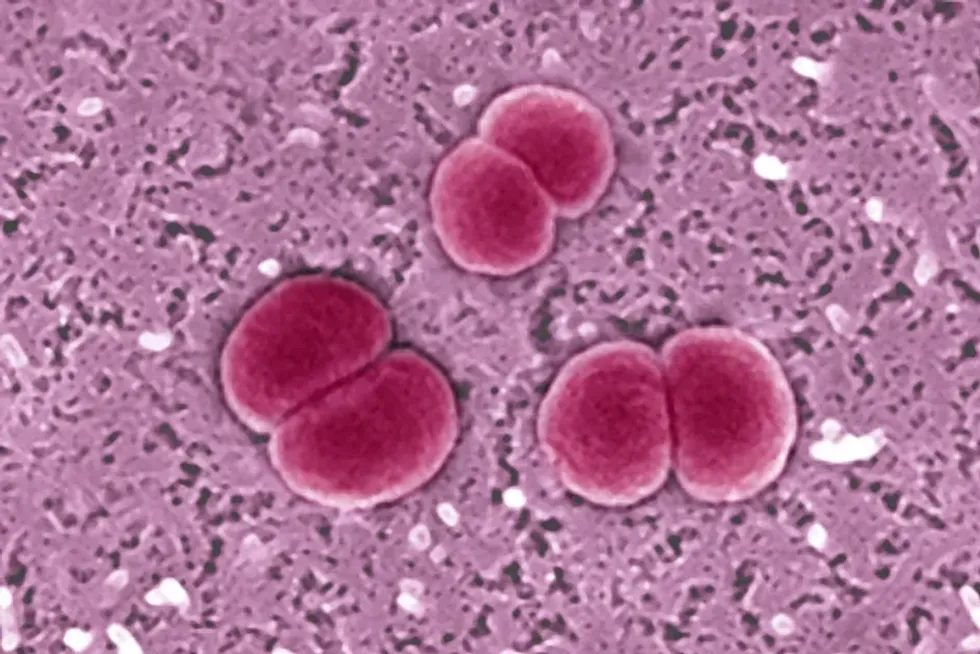
The outbreak has prompted concern across the region
|GETTY
Warning signs of the disease include high fever, intense headache, vomiting, and neck stiffness. Patients may also experience light sensitivity, confusion, drowsiness, cold extremities, severe muscle pain, and a distinctive rash that remains visible when pressed.
Dr Mearkle stressed that "anyone can get meningitis", noting that England sees between 300 and 400 meningococcal disease diagnoses annually.
"It's most common in babies, young children, teenagers and young adults," she said.
The health protection consultant stressed the importance of swift action, stating: "It needs to be treated quickly, so it is important to know the signs and symptoms. They can appear in any order and may not all be present, so seek rapid medical attention if there is ever any concern."
Henley College issued a statement expressing its "thoughts and sincere condolences are with the student's family and friends at this extremely difficult time".
The college confirmed it was supporting affected members of its community while following UKHSA guidance, declining to share further details out of respect for the family.
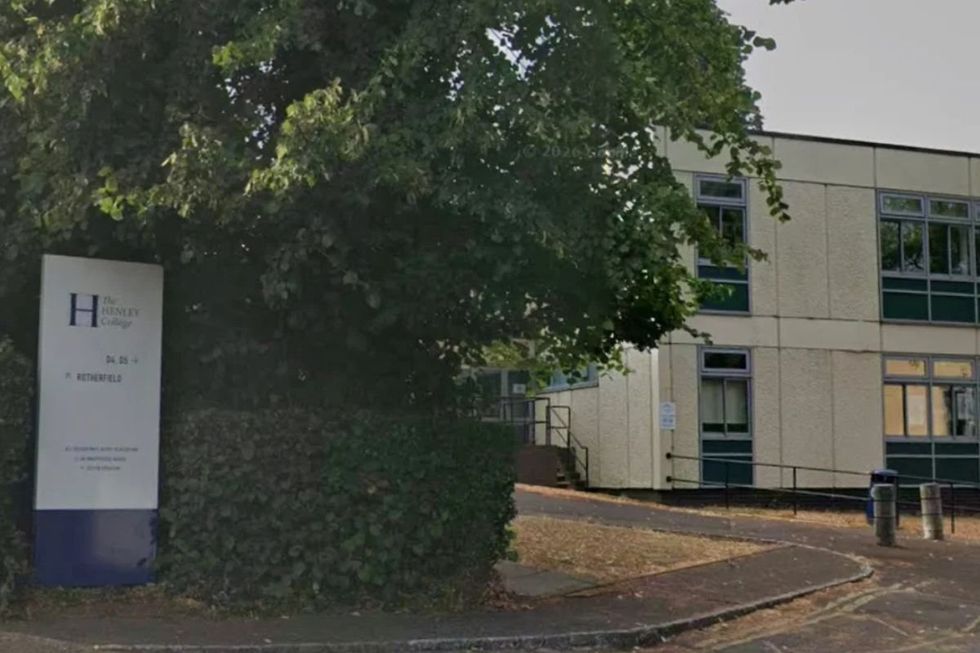
A student from Henley College in Oxfordshire has died following the meningitis outbreak
|GOOGLE STREET VIEW
Alex Stanley, vice president of the National Union of Students, said: "We are sadly once again seeing the fast-paced awfulness of meningitis B."
He called for the government to provide free meningitis B vaccines to all young people through the NHS. The vaccine has been part of routine infant immunisation since 2015, leaving those born earlier unprotected.
Professor Andrew Preston, a microbial pathogenicity expert at the University of Bath, noted the outbreak appears confined to a clearly defined social group, enabling effective contact tracing.
Our Standards: The GB News Editorial Charter