










Britons have been warned about the perils hidden in their daily diet, as excessive sodium consumption poses health risks that many remain unaware of.
Nutrition expert Lucy Kershaw, at Nature's Best, explained that the fundamental issue lies with sodium. It's an essential part of the human diet and can help support kidney function. It also helps regulate the amount of water in food.
The NHS recommends a daily intake of no more than six grams, which is equivalent to a level teaspoon.
"This shouldn't be treated as a target, but it's important that this is not exceeded," Lucy explained, warning that the consequences of going over this threshold are significant.
"The danger with excessive salt intake is that it has been strongly linked to high blood pressure, which is a major risk factor for heart disease; the leading cause of heart attacks in the UK."
 |
| GETTY
Eliminating salt entirely is impractical because sodium hides within most common foods like bread, which ranks among the most significant sources of dietary sodium, despite lacking any obviously salty taste.
Manufacturers incorporate salt into packaged loaves not merely for flavour enhancement but also to manage yeast activity during fermentation and to reinforce the dough's structural integrity.
Cheese presents another substantial contributor to elevated sodium levels in the British diet.
The cheesemaking process fundamentally relies upon salt to regulate moisture content, inhibit dangerous bacterial growth, and develop the characteristic flavours consumers expect.
While cheese is an excellent source of calcium, Lucy advised keeping consumption modest. A 30g portion is the recommended amount, helping individuals avoid inadvertently exceeding their daily sodium allowance.
The next culprit is cottage cheese, which, despite its reputation for providing protein and calcium, frequently contains considerable sodium, added both for taste enhancement and preservation purposes.
Jarred sauces and tinned soups also contain substantial added sodium to enhance flavours and extend their shelf life.
LATEST DEVELOPMENTS
They're among a host of ultra-processed foods that have attracted considerable media attention recently, and justifiably so.
While ready meals and frozen pizzas spring readily to mind, ultra-processed foods also include breakfast cereals, cereal bars and biscuits, which may also contain significant quantities of salt.
For those who want to reduce their salt intake, swapping crisps and salted nuts for plain rice cakes, fresh fruit or vegetable sticks is a strong starting point.
Preparing soups and sauces from scratch naturally allows greater control over sodium content while incorporating nutritious ingredients.
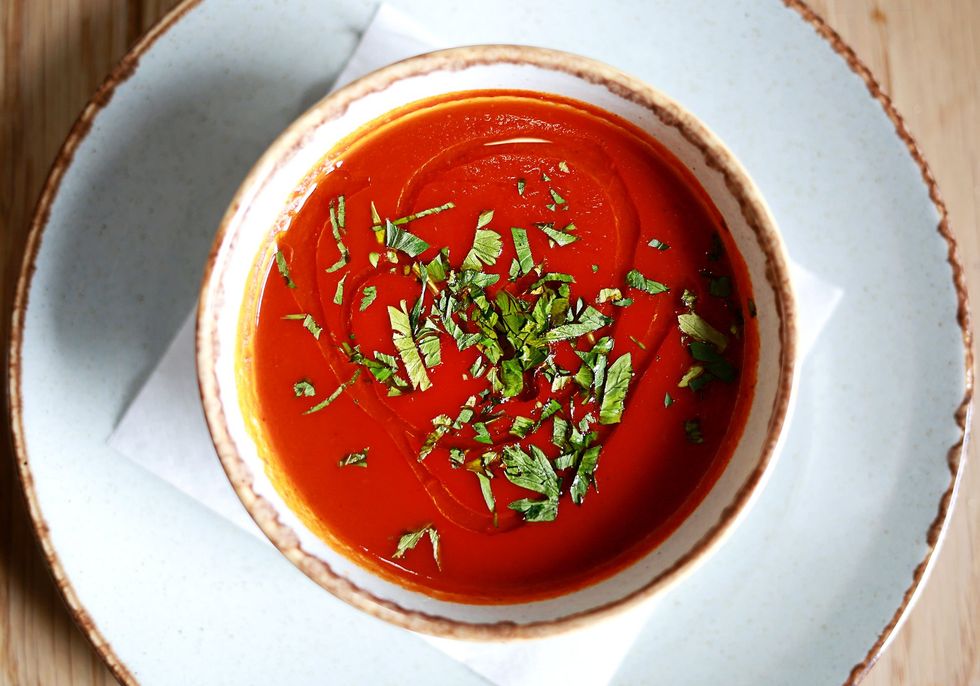
Preparing soups and sauces from scratch allows greater control over sodium content
|GETTY
Condiments like ketchup, mayonnaise and soy sauce warrant particular attention, with smaller portions or reduced-salt alternatives proving sensible substitutes.
Removing the salt shaker from the dining table and experimenting with herbs and spices can help retrain palates away from excessive seasoning.
Checking food labels, particularly traffic light indicators, enables more informed purchasing decisions.
Our Standards: The GB News Editorial Charter