






East Kent Hospitals NHS Trust has acknowledged a critical two-day lapse in alerting health authorities to the initial meningitis case that sparked the Kent outbreak.
The Queen Elizabeth the Queen Mother Hospital in Margate received its first patient on Wednesday evening, but did not contact the UK Health Security Agency until March 13, in the afternoon.
Under the Health Protection Regulations 2010, invasive meningitis is classified as an urgent notifiable disease, requiring hospitals to inform health protection officials immediately upon suspicion, not upon confirmed diagnosis.
Dr Des Holden, the trust's acting chief executive, conceded: "We recognise there was an opportunity prior to diagnosis to notify UKHSA."
TRENDING
Stories
Videos
Your Say
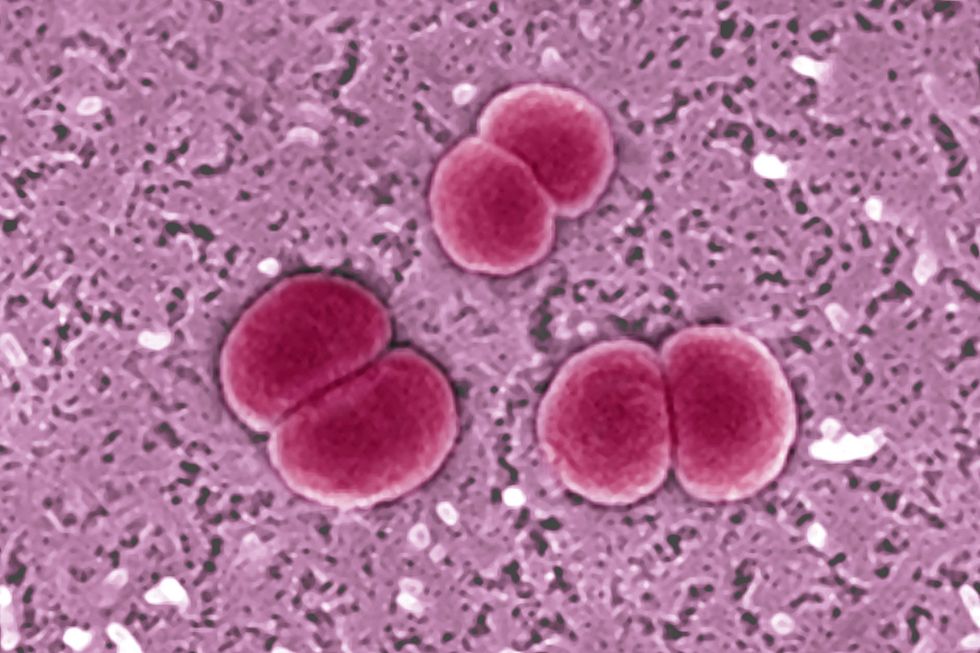
'There was an opportunity prior to diagnosis to notify UKHSA'
| GETTYThe trust admitted staff had awaited formal test confirmation before raising concerns, directly contravening established protocols.
Professor Paul Hunter, an infectious disease specialist at the University of East Anglia, has branded the reporting failure "indefensible".
"You don't wait for a formal diagnosis when it comes to meningitis, you report it straight away so it can be investigated," he stated.
The professor emphasised that swift notification serves dual purposes: administering preventative antibiotics to close contacts and monitoring for emerging cases.
He warned that with meningitis, patients can deteriorate with alarming speed, noting that mere hours can determine whether someone survives intact or suffers death or severe disabilities.
"Not only do you want to trace the close contacts to give them preventative treatment, you also want to see if there are other cases developing," Prof Hunter explained.
According to UKHSA figures, 10 individuals reported developing symptoms between the first hospital admission and the public alert issued on March 15 evening.
LATEST DEVELOPMENTS
At its height, the outbreak of the mutant meningitis B strain reached 34 confirmed and suspected cases, predominantly affecting young adults and teenagers.
Two students lost their lives during the outbreak.
Juliette Kenny, an 18-year-old sixth-form pupil from Queen Elizabeth's Grammar School in Faversham, fell ill on March 13 and died early Saturday morning. The trust did not inform UKHSA until Saturday night.
A 21-year-old University of Kent student also died at the trust on the same day. As of Monday, four patients remained in intensive care.
Health Secretary Wes Streeting described the delay as "not good enough" and confirmed he would seek further details from the trust regarding the circumstances.
However, he maintained the lapse had not caused a "material impact" on disease containment and noted a "rapid improvement" in subsequent reporting by East Kent.
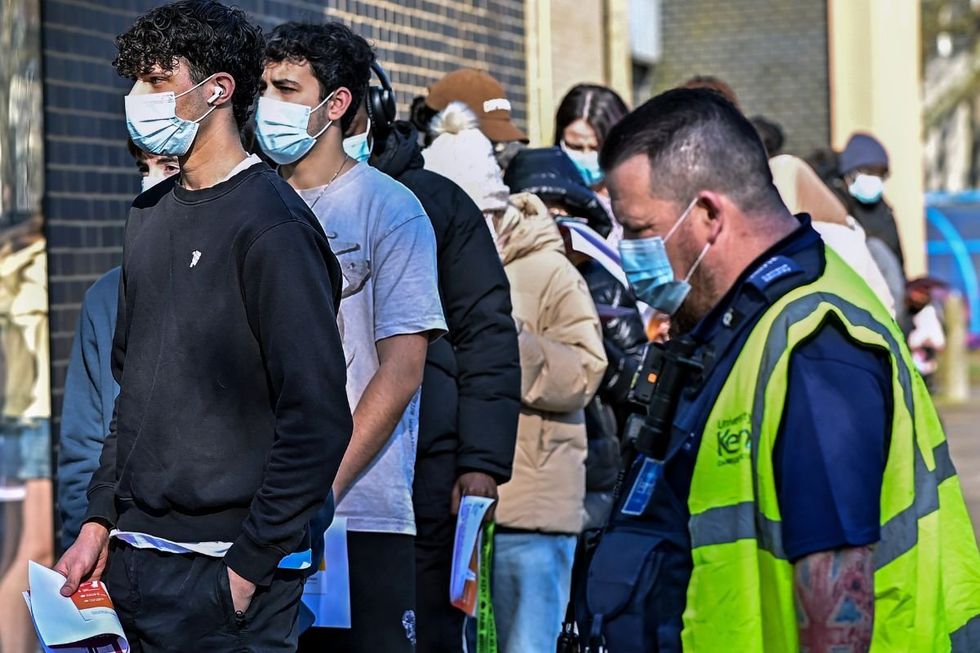
The outbreak reached 34 confirmed and suspected cases at its peak
|GETTY
Annabelle Mackay, a 21-year-old University of Kent student believed to be the first patient, expressed astonishment that her case was not flagged earlier.
"It was treated as meningitis as soon as I was taken in. If the report had been made earlier, other people could have been warned to look out for symptoms," she told the BBC.
Our Standards: The GB News Editorial Charter