







One million young Britons to bare to be offered the meningitis B vaccine after multiple outbreaks of the "horrendous" disease.
Two doses of the jab will be offered to around a million Year 13 pupils between the ages of 17 and 18, as well as anyone aged under 25 starting university this autumn.
The first dose will be available starting on July 20, and the second dose in August.
A serious outbreak of meningitis in Kent earlier this year resulted in the deaths of two teenagers.
Juliette Kenny, 18, died in the Kent outbreak, and her family has been campaigning for young people to be routinely given the access to the vaccine since.
The Kent outbreak was the fastest growing and largest seen in the UK - but other clusters of meningitis in young people have been bigger than expected.
Those in Year 13 will be contacted via the NHS app, text or letter to come forward for the jab, and under-25-year-olds will have to book the menB vaccine directly through pharmacies.
Health Secretary James Murray said: "The Kent outbreak and recent clusters indicate a possible change to the way menB affects people.
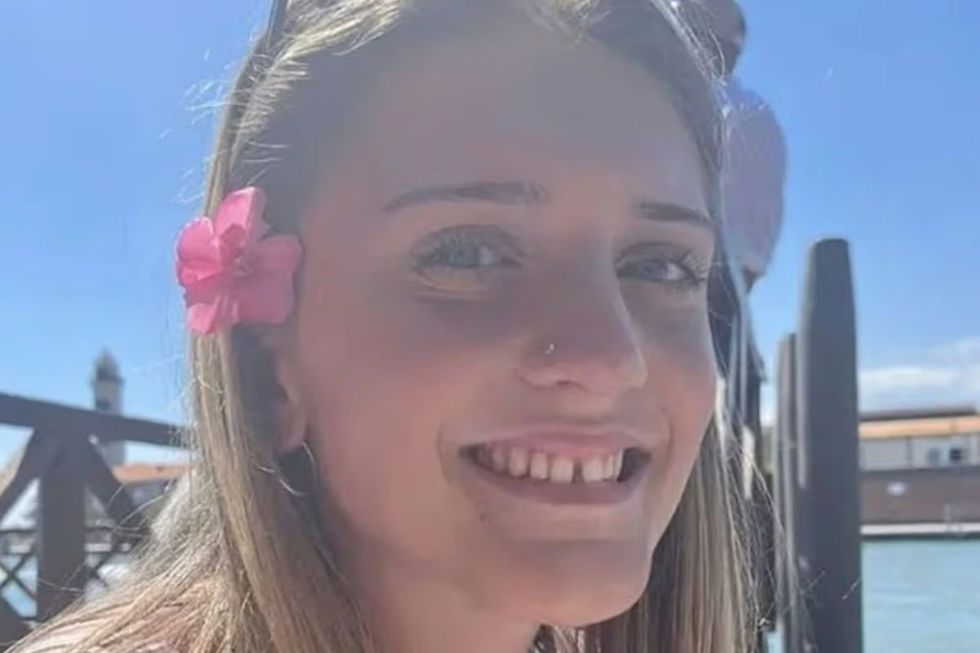
Juliette Kenny died just 12 hours after being admitted to A&E
|HANDOUT
"While we assess the latest evidence, we are acting now to help protect young people at highest immediate risk as they enter university and residential colleges this autumn."
He added: "By offering two doses of the jabs ahead of the academic year, we will help reduce the risk of serious illness and larger outbreaks of this horrendous disease."
Those who are going into their second or third years of university, or postgraduate studies, will not be eligible for the vaccine, and international students have been encouraged to get the vaccine in their home countries.
The Joint Committee on Vaccination and Immunisation (JCVI) is currently preparing advice to ministers on whether a bigger and longer programme is needed for young people.
LATEST HEALTH NEWS:
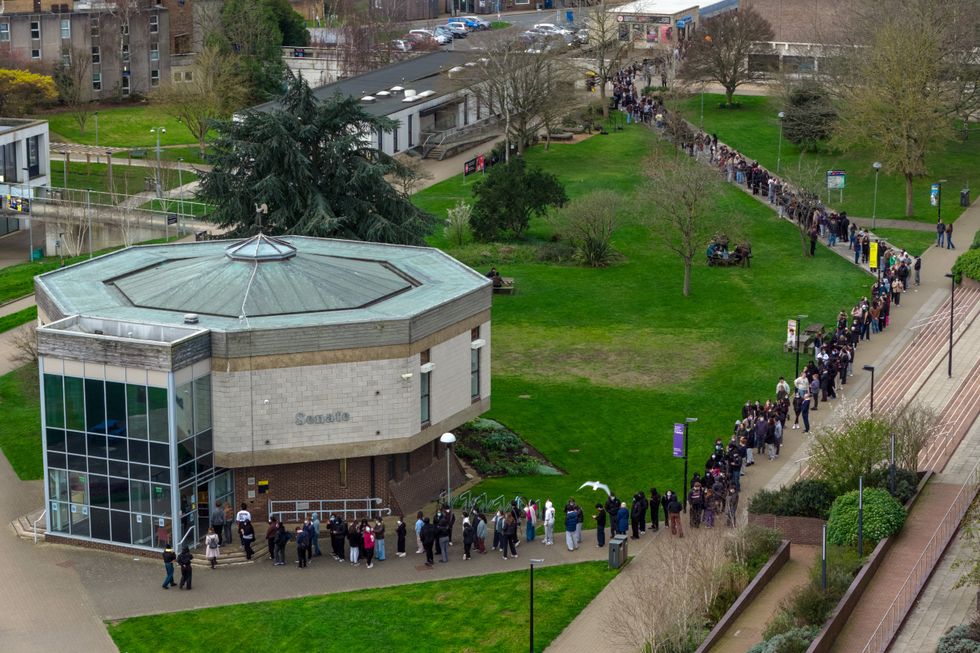
Earlier this year hundreds of University of Kent students queued for the menB vaccine during the city's outbreak
|GETTY
Dr Shamez Ladhani, consultant epidemiologist at UKHSA, was asked why the programme would not be available to more people.
He said: "The question about eligibility is always difficult, because you have to have boundaries to be able to deliver a programme, and at the moment, given how quickly we've had to work, we have had to prioritise those who are at highest risk."
He also addressed the rise in meningitis clusters, attributing it to population immunity against menB being low, adding that Covid lockdowns may have also played a role.
"The most likely explanation is that we actually have had 25 years of declining cases of menB disease," he said.
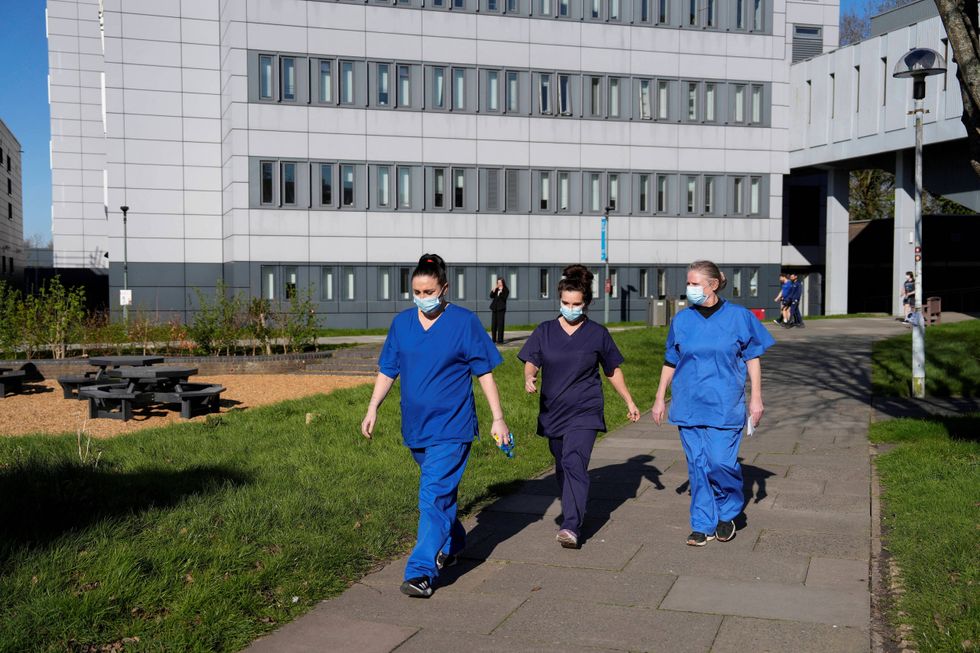
The vaccine will be unavailable to those in university who are not starting their first years
|GETTY
"Now, meningococcal disease cycles go through cycles of 20 to 30 years. It goes down when you have good population immunity, and then that immunity goes down and new strains appear where the population doesn’t have immunity against these strains, and then cases start going up again."
The Kenny family has joined forces with the Meningitis Research Foundation to push for further access to the vaccine.
Her father, Michael Kenny, 46, previously said no family should experience the loss of a child to the disease - which took Juliette's life less than 12 hours after being taken to A&E.
"This can be avoided. There are young people currently battling this, and young people still at risk," he said.
He added: "Juliette's impact on this world must be a lasting change. Now is the time to ensure families are safe from the impact of meningitis B."
Vinny Smith, chief executive of the Meningitis Research Foundation, said the Government initiative was a good start but warned that a one-off programme would "not fully close" Britain's menB "protection gap".