










The Canterbury meningitis outbreak has led to two deaths and infected 20 people, yet health experts are urging calm, insisting that pandemic-era restrictions are entirely unnecessary.
Susan Hopkins, chief executive of the UK Health Security Agency, acknowledged the "explosive nature" of the cluster, while deputy chief medical officer Dr Thomas Waite described it as the fastest-growing outbreak of his career.
Health Secretary Wes Streeting has called the situation unprecedented and rapidly developing.
Despite such alarming language from officials, leading microbiologists are reassuring the public that meningococcal disease behaves fundamentally differently from Covid-19.
TRENDING
Stories
Videos
Your Say
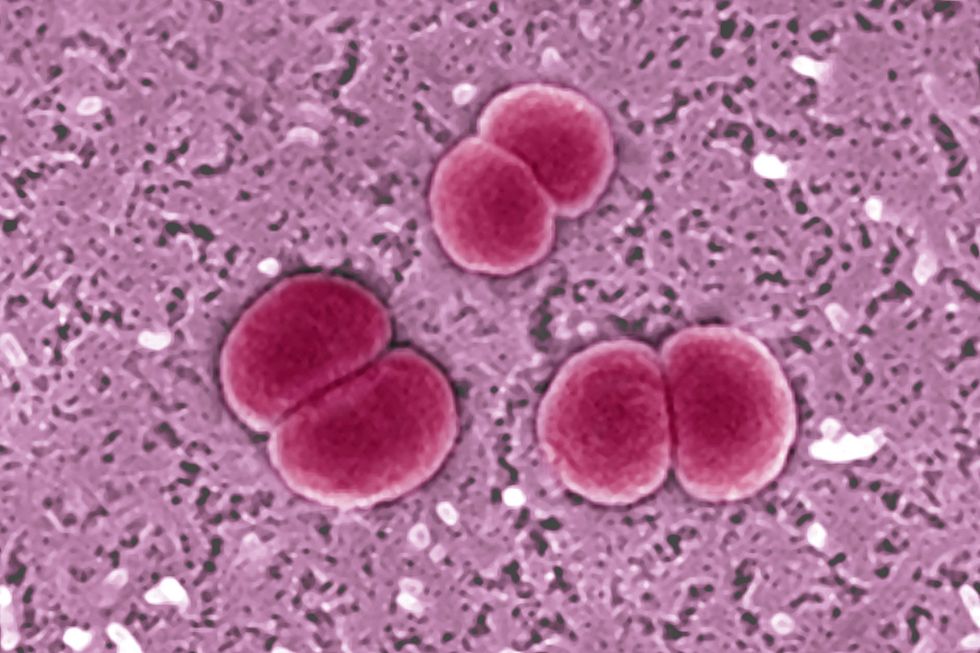
Meningitis transmission requires sustained close proximity rather than brief encounters
|GETTY
The victims include a 21-year-old university student and Juliette, a sixth-form pupil at Queen Elizabeth's Grammar School in Faversham.
A targeted vaccination programme has since been announced at the University of Kent.
Dr Simon Clarke, associate professor of cellular microbiology at the University of Reading, explained the crucial distinction between this bacterial infection and airborne viruses.
LATEST DEVELOPMENTS:
- Health officials issue fresh update on Kent meningitis outbreak as separate case sees baby admitted to hospital
- Meningitis outbreak declared ‘national incident’ over 'unprecedented explosion' of infections
- 'Devastated' owner of Kent nightclub linked to deadly meningitis outbreak was warned by health chiefs on Instagram
"MenB spreads through close, prolonged contact through activities such as coughing, sneezing, kissing or sharing cups or vapes," he said.
"It is not as easily transmissible as some other respiratory viruses, such as flu or Covid-19. Most people who carry the bacteria never become ill."
Dr Clarke stressed that proven public health measures remain highly effective against such outbreaks.
"The combination of antibiotic treatment, contact tracing and targeted vaccination is the tried and tested public health response to outbreaks and has a strong track record of bringing them under control," he added.
Dr Bharat Pankhania, Senior Clinical Lecturer at the University of Exeter Medical School, reinforced this message, noting the fundamental difference between bacterial and viral transmission.
"This outbreak is caused by a bacterial infection and by its nature it is a lot less infectious compared to Influenza, Measles or SARCOV-2," he said.
"These bacterial infections require close contact, and it is a heavy droplet aerosol spread, thus not very infectious, and you need to be in close prolonged contact with a case, a family member, or a kissing contact."
Dr Pankhania stressed that current protocols represent well-established practice, adding, "There is no need for restrictions on movement."
He noted that the priority lies in identifying close contacts, administering antibiotics, and ensuring people recognise warning signs.
How much protection does the vaccine offer?
Vaccination offers longer-term protection, though immunity takes approximately two weeks to develop.
For students contemplating Easter travel plans, Dr Clarke offered clear guidance: "While students in Kent should follow specific advice, there is no reason for students in the affected area who are well to avoid travelling home for Easter," he said.
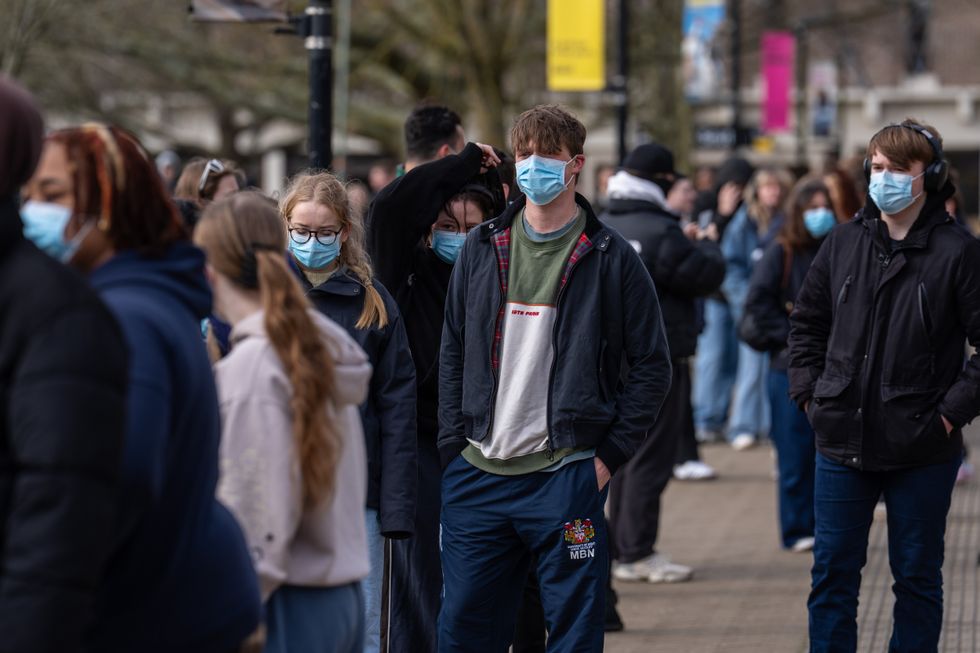
MenB transmission occurs through activities involving intimate or prolonged exposure
|GETTY
Those feeling unwell should seek immediate medical attention and avoid close contact with vulnerable individuals, including young children and those with underlying health conditions.
Dr Pankhania outlined the symptoms requiring urgent attention: unusual headaches, sensitivity to bright lights, vomiting, fever, and general malaise.
Anyone who attended Club Chemistry during the relevant period, resided in affected accommodation blocks, or had contact with confirmed cases should take prescribed antibiotics and remain vigilant.
"This is not currently a situation that requires anything approaching the restrictions we saw during Covid," Dr Clarke concluded. He stressed that existing public health infrastructure can manage localised outbreaks effectively.
Our Standards: The GB News Editorial Charter