








Residents in southern England have a final opportunity to get their flu jab before Christmas, as the region's outbreak lags behind the rest of the country.
During the first week of December, hospitals across Berkshire, Dorset, Hampshire, the Isle of Wight and Oxfordshire saw an average of just 100 flu patients daily – fewer than individual cities like Birmingham or Manchester.
Dr Julian Sutton from University Hospitals Southampton said: "In the south here, especially in Hampshire and around Southampton, we are a little bit behind the rest of the country in terms of the flu surge, so it's still very much well worth getting your flu jab now."
NHS figures released Thursday showed flu hospitalisations hit record levels for this time of year, jumping 55 per cent in a single week.
TRENDING
Stories
Videos
Your Say
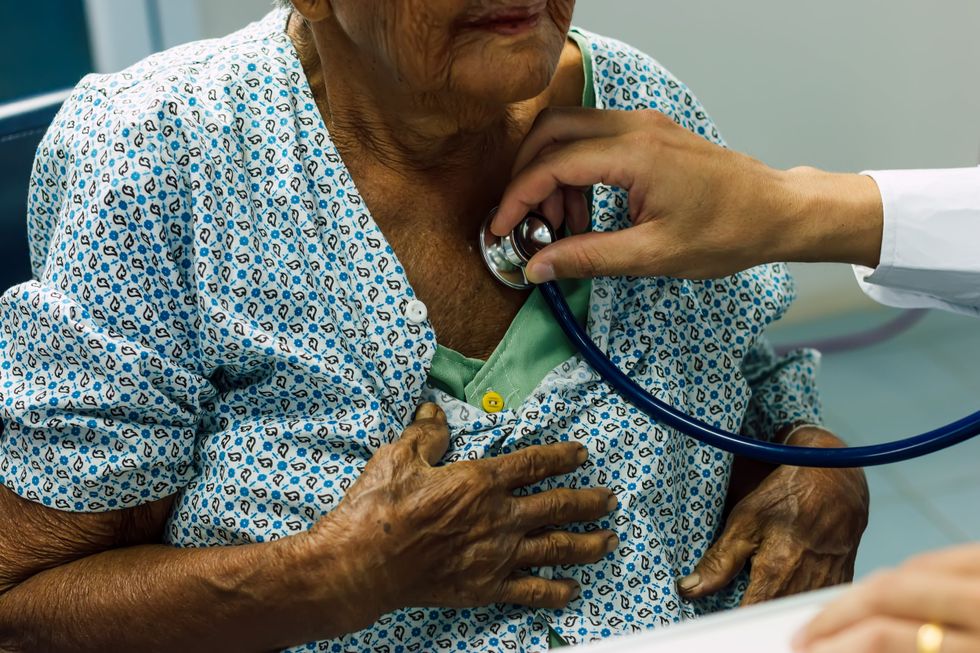
Flu hospitalisations have jumped 55% in one week
|GETTY
Despite the window of opportunity for getting vaccinated, a BBC survey found very few bookable appointments on major pharmacy websites.
Many branches showed no availability at all, with the first slot at Boots in Dorchester not until February 2. That said, pharmacies in Oxford and Winchester were still taking bookings before the festive period.
Berkshire pharmacy manager Olivier Picard, who chairs the National Pharmacy Association, said demand for jabs was unprecedented in his experience. He's been accepting walk-in patients who've been turned away elsewhere.
Pharmacy groups confirmed most branches have vaccine stocks available – free for eligible patients or around £20 for private customers.
The predominant strain circulating this winter is the drifted H3N2 variant, which is causing particular concern among health officials.
According to the UK Health Security Agency, this strain means there's less natural immunity in the community compared to previous years. It's worth noting that H3N2 typically hits older adults harder than H1N1 strains.
LATEST DEVELOPMENTS
However, it's actually children and young people aged five to 14 who currently have the highest positive test rates for flu across England.
NHS national medical director Prof Meghana Pandit warned that the peak of this "super flu" outbreak hasn't even arrived yet, suggesting the worst may still be to come.
Several hospitals in the South have now introduced mask requirements for staff, patients and visitors to help curb transmission.
Queen Alexandra in Portsmouth, Poole, Royal Bournemouth and Wexham Park hospitals are among those asking people to cover up.
Health officials are urging anyone with flu symptoms to stay away from hospitals unless they're experiencing serious issues like breathlessness.
Dr Sutton said most people can treat the illness at home with rest, paracetamol and plenty of fluids, with symptoms typically improving within three or four days.
Caroline Reid, leading vaccinations for NHS South-East England, said: "By getting your flu jab this week or next, you'll be protected in time for the festive season as the vaccine only takes two weeks to become fully effective."
GP Dr Bhavini Shah has outlined the warning signs that flu-like symptoms might actually signal something far more dangerous.
Conditions like meningitis, malaria and pneumonia can all mimic the flu but require immediate medical attention as they could become life-threatening.
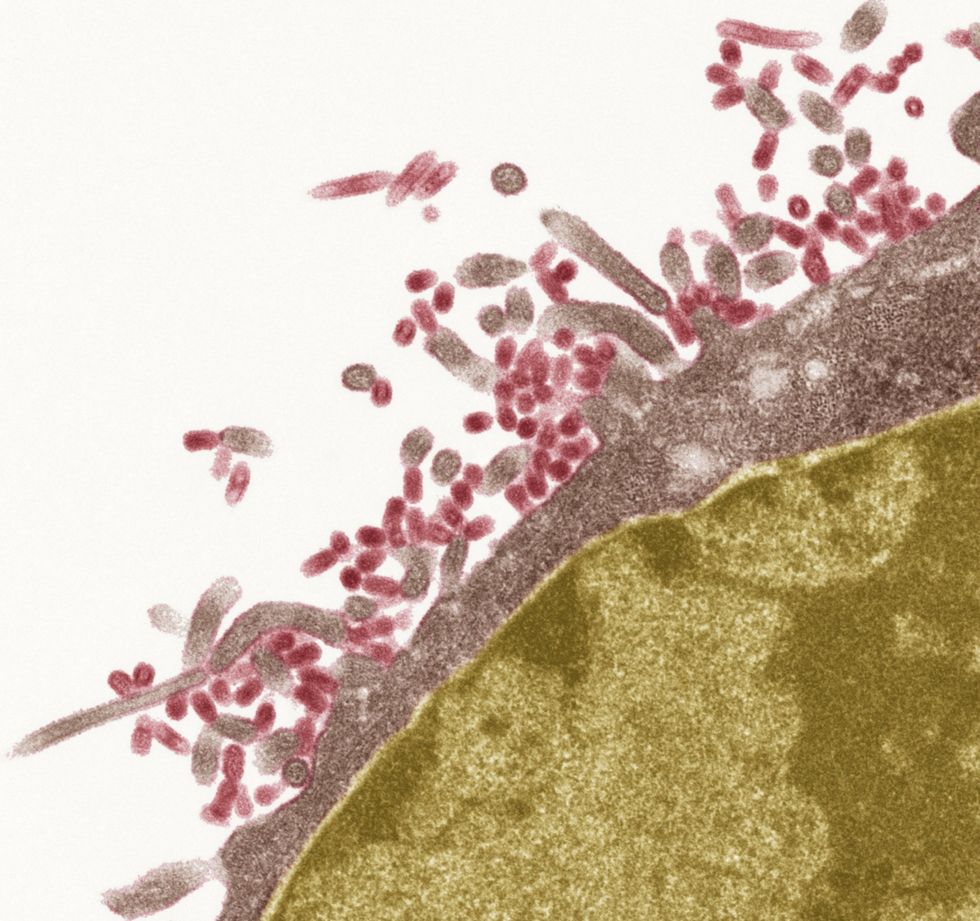
People with flu symptoms are being urged to stay away from hospitalisations unless they have breathlessness
|GETTY
The red flags to watch for include a non-blanching rash that doesn't fade when pressed, a stiff neck, worsening headaches and sensitivity to light.
Drowsiness or confusion, vomiting, breathlessness, chest pains and coughing up blood are also serious warning signs.
Most people can treat flu at home with rest, paracetamol and plenty of fluids, with symptoms typically improving within three or four days.
But anyone with a weakened immune system, pregnancy, long-term health conditions or aged over 65 should contact their doctor.
Our Standards: The GB News Editorial Charter