










Hair is considered the ultimate beauty marker, but it also harbours invaluable clues about the inner workings of the human body.
According to global skin doctor Dr Vanita Rattan, it is often one of the first places to reflect an internal imbalance, with low levels of iron, zinc, biotin, vitamin D and protein all to blame.
The medical expert told GB News: “Sudden changes in texture, shedding, or overall density can quietly reflect what’s happening internally, from dehydration, stress, hormones and nutrition.
“Understanding these shifts in hair patterns can help catch imbalances early, as well as support healthier hair growth over time.”
Your hair is often one of the first places to reflect an internal imbalance
|GETTY
By paying closer attention to hair patterns, you'll more likely spot the following seven problems and promote better growth, according to Dr Rattan.
Iron deficiency
When iron levels drop, the body often redirects energy away from hair growth, causing locks to lose their thickness. So if thinning occurs alongside pale skin, it may be worth getting your iron levels checked.
Thyroid issues
Thyroid problems often show up in the hair, with suboptimal levels making strands brittle and prone to snapping. Conversely, an overactive thyroid can trigger rapid shedding, sometimes causing hair to fall out in tufts.
LATEST DEVELOPMENTS
Psoriasis
Scalp conditions like psoriasis and seborrheic dermatitis can cause inflammation that weakens hair at the root.
To tackle this, Dr Rattan suggests switching to products free from alcohol, essential oils and fragrance, to avoid triggering flare-ups.
Chronic stress
Stress, according to Dr Rattan, can send cortisol levels skyrocketing and push hair follicles into a resting phase called telogen. Eventually, this leads to noticeable fallout - roughly two to three months after a tough period.
What's more, stress ramps up oil production and slows down cell turnover, potentially causing a build-up that blocks hair follicles.
Dr Rattan recommends a weekly scalp exfoliation with rosemary extract and arginine to prevent this issue.
Hormonal changes
Hormonal changes during pregnancy, postpartum, or menopause can dramatically shift how many follicles are actively growing versus resting.
Androgenic alopecia, linked to testosterone sensitivity, remains the most common form of hormonal hair loss for both sexes.
Nutritional gaps
Nutritional gaps can also wreak havoc on your hair, since follicles need a whole range of nutrients to function properly.
Iron, zinc, biotin, vitamin D, and protein all play crucial roles – and deficiencies in any of these can lead to brittleness or density loss. A simple blood test can pinpoint what's missing.
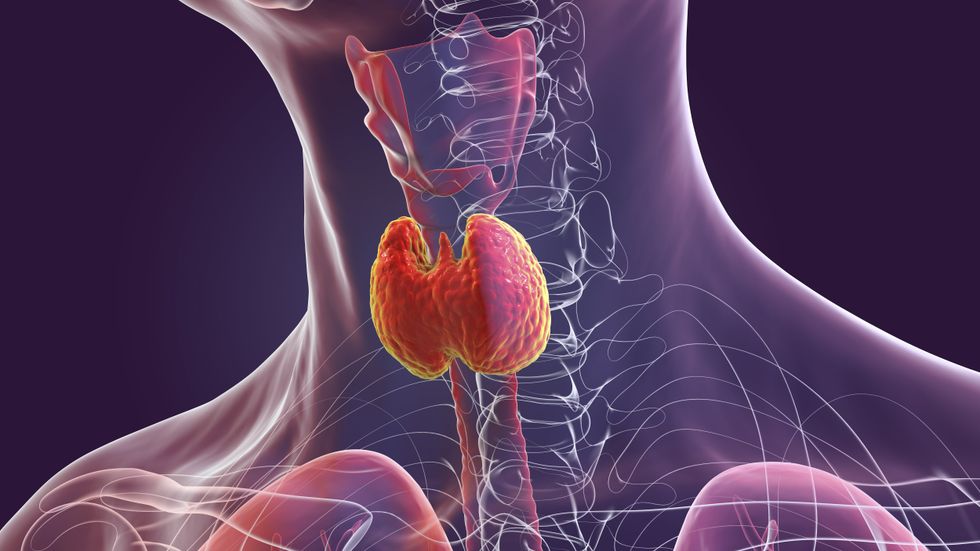
An underactive thyroid can affect the thickness of hair
|GETTY
Dehydration
Dehydration is another culprit that's easy to overlook. When you're not drinking enough water, your scalp dries out, and hair shafts lose their protective moisture barrier, becoming fragile and dull.
Dr Rattan advises drinking at least eight glasses daily and using a lightweight strand-strengthening oil to lock in moisture without weighing hair down.
Our Standards: The GB News Editorial Charter