







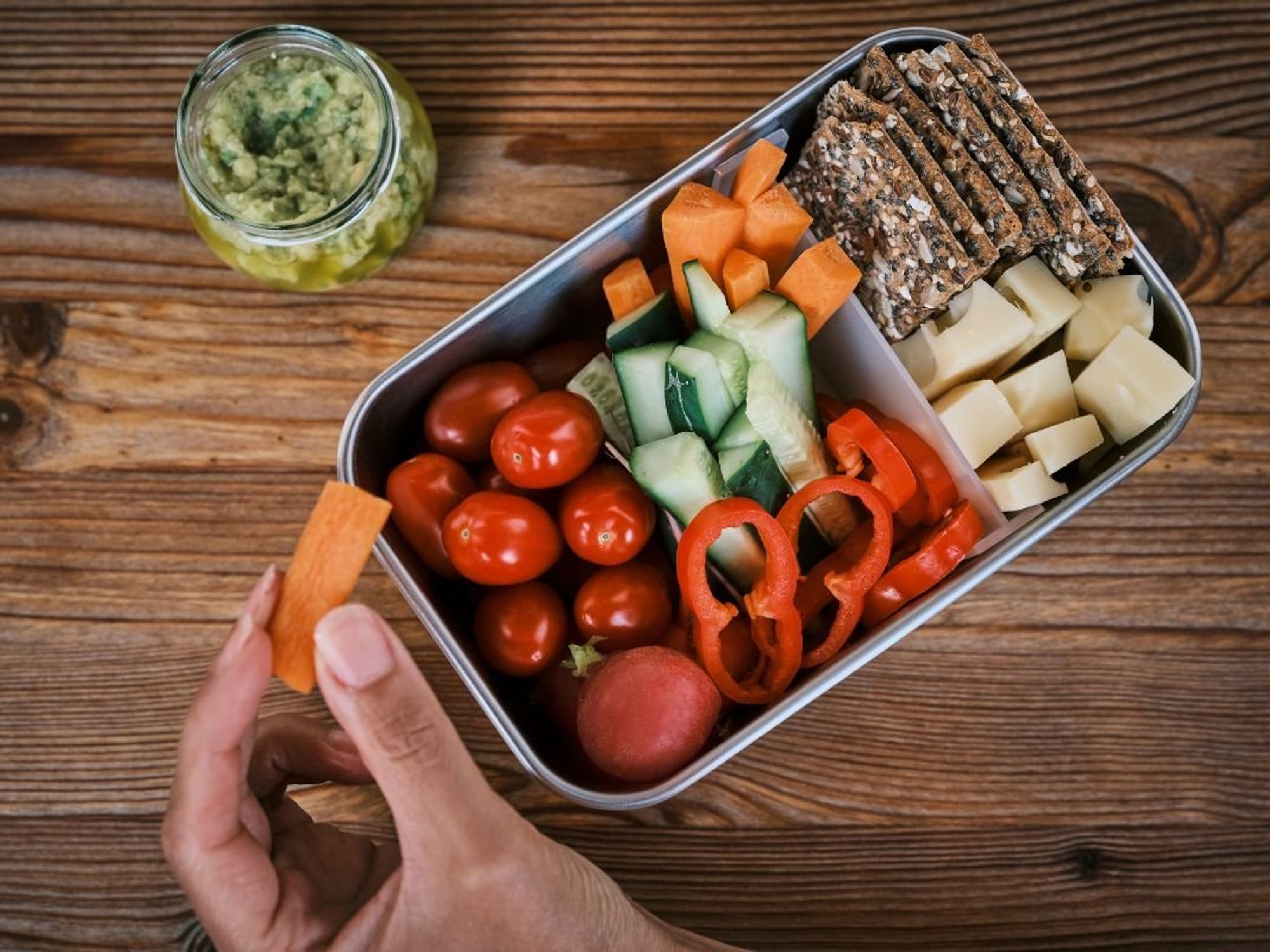

Longevity-focused diets are typically rich in fruits and vegetables, but the price of fresh produce can be a significant deterrent for those hoping to include more of it in their eating plan.
Beyond providing an easy way to enjoy out-of-season foods, however, frozen produce can be one of the simplest ways to adopt longevity-focused dietary habits.
In fact, studies comparing the vitamin content of fresh and frozen fruit have found that frozen varieties often contain nutrient levels comparable to - and in some cases higher than - those of their fresh counterparts.
This is partly because fruits destined for freezing are typically harvested at peak ripeness, when their concentrations of vitamins, minerals, and antioxidant compounds are at their highest.

Frozen foods can support people trying to be consistent with their healthy eating patterns
|GETTY
For this reason, Dr Asiya Maula, a private GP at The Health Suites, keeps a range of longevity-focused foods stocked in her freezer.
“People often assume fresh is always best, but frozen foods can be incredibly nutritious and are a great way to make healthy choices more convenient,” she said.
“Many frozen fruits and vegetables are picked and frozen very quickly, helping to preserve nutrients.”
She challenges the common perception that frozen foods are inherently less nutritious because they undergo processing. As an example, she points to frozen berries, as they can retain much of their nutritional value thanks to being harvested and frozen at peak ripeness.
“Berries contain fibre and beneficial plant compounds known as polyphenols, which have been linked to a range of health benefits,” Dr Maula said.
“They’re easy to add to porridge, yoghurt or smoothies, and frozen varieties are often far more affordable than fresh.”
The advantages extend beyond nutrition. Frozen foods are typically less expensive and can help reduce household food waste - particularly when it comes to ingredients that spoil quickly, such as leafy greens.
“Spinach contains a range of vitamins, minerals and antioxidants, and frozen spinach is incredibly versatile,” Maula noted.
“It can be added to soups, stews, curries, pasta sauces or omelettes with very little preparation.”
But among the freezer staples she recommends, frozen edamame stands out as her top longevity-supporting food, combining nutritional value with convenience.
LATEST DEVELOPMENTS:
“Edamame provides plant-based protein and fibre, which can help support satiety and overall health,” Dr Maula explained.
“They’re an easy addition to salads, stir-fries and grain bowls.”
Oily fish, including salmon, is another freezer staple on her list.
“Fish provides high-quality protein and important nutrients, including omega-3 fatty acids,” she shared.
“Keeping frozen portions on hand can make it easier to include fish in your diet regularly.”
Ultimately, convenience is one of the biggest obstacles to healthy eating. But variety is also important, both for overall health and for supporting a diverse gut microbiome.
“A well-stocked freezer can be a surprisingly effective part of that,” Dr Maula explained.
“Having vegetables already prepared and ready to cook makes it much easier to include them in a meal.”
She continued: “The healthiest diets are usually the ones people can stick to over the long term.”
Keeping nutritious foods stocked in the freezer can make healthy choices more accessible, reducing reliance on takeaways, ultra-processed convenience foods, or whatever happens to be available in the cupboard.
People often search for a single “superfood” or magic ingredient, but healthy ageing is more often the result of small dietary habits practised consistently over time.
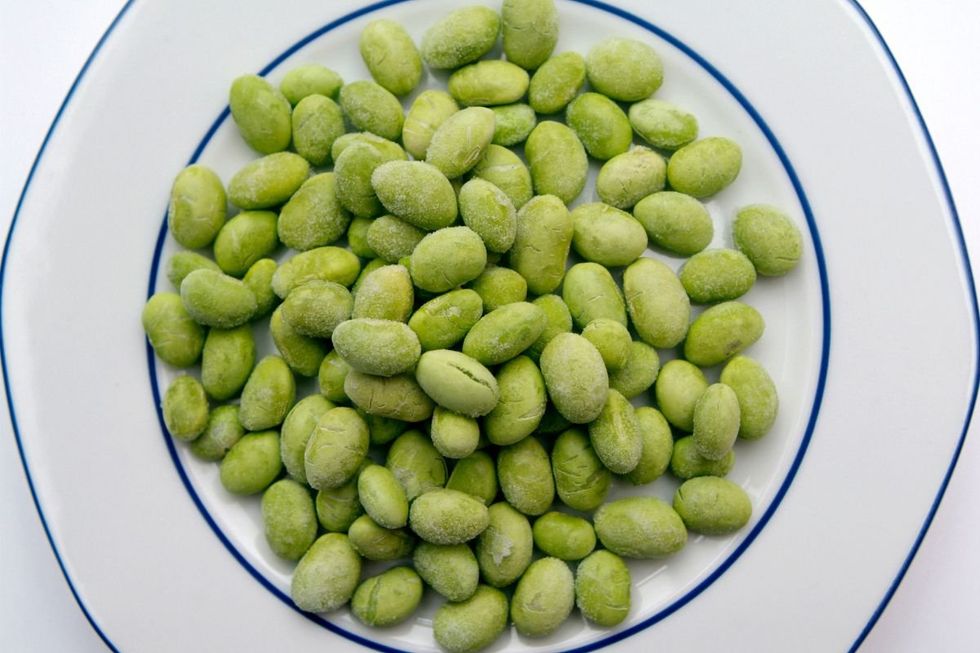
The doctor's favourite frozen vegetable option is the edamame bean
|GETTY
Frozen foods also compare favourably from a processing standpoint.
Under the NOVA classification system, frozen fruits, vegetables and other plain frozen foods are generally considered minimally processed, placing them closer to fresh produce than to ultra-processed products such as sugary drinks.
That distinction may encourage shoppers to take a second look at the frozen aisle.
After all, nutrition experts insist that frozen and fresh produce are not nutritional opposites, meaning they can both play an important role in a healthy, longevity-focused diet.
Our Standards: The GB News Editorial Charter