









Scientists are racing to develop three new vaccines against a rare strain of Ebola that has claimed nearly 250 lives in the Democratic Republic of Congo.
Caused by the Bundibugyo species, the outbreak has now generated more than 1,000 suspected infections in the DRC, with nine confirmed cases spilling across the border into Uganda.
Health authorities fear this crisis could escalate to match or exceed the catastrophic 2014-16 West African epidemic, which infected approximately 29,000 people and killed over 11,000.
The medical charity Médecins Sans Frontières has described the situation as "deeply alarming," noting that never before have "so many cases" been recorded in such a short timeframe.
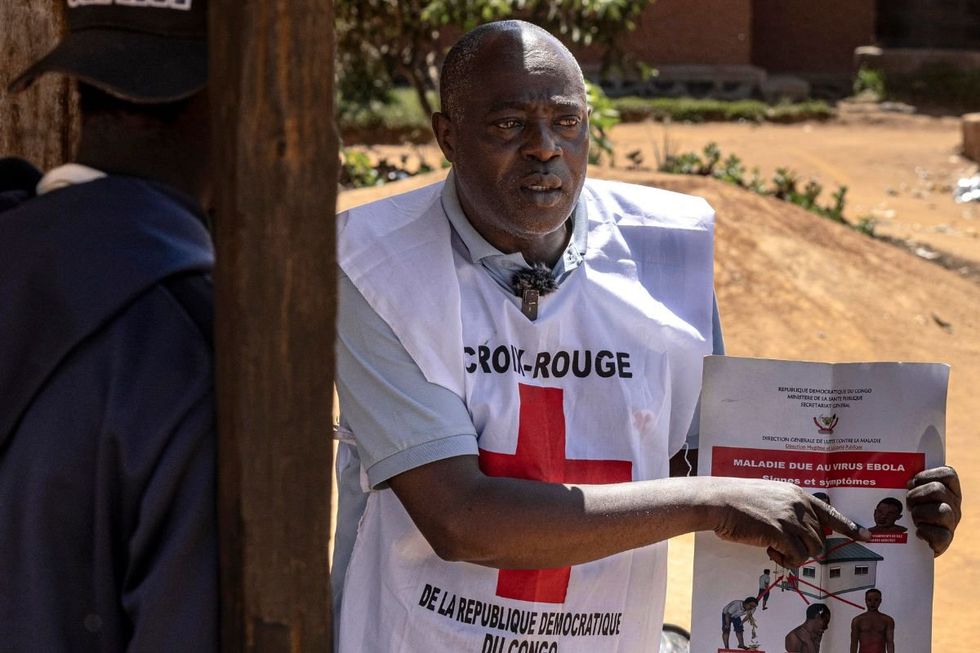
The outbreak has now generated more than 1,000 suspected infections in the DRC
|GETTY
The outbreak was only detected after spreading through a conflict zone with severely limited healthcare infrastructure.
Three organisations are now working in parallel to create a vaccine against this deadly pathogen, with funding from the Coalition for Epidemic Preparedness Innovations (Cepi).
The International Aids Vaccine Initiative (IAVI) is adapting an existing Zaire Ebola vaccine to combat Bundibugyo, while pharmaceutical giant Moderna is deploying the mRNA technology that proved so effective during the Covid pandemic.
The University of Oxford, meanwhile, is utilising its own vaccine platform that also saved lives during the coronavirus crisis.
"With Bundibugyo virus spreading rapidly and no licensed vaccines, every day counts in the race against this deadly disease," said Dr Richard Hatchett, chief executive of Cepi.
Each approach employs fundamentally different scientific methods to achieve the same goal.
LATEST DEVELOPMENTS
Bundibugyo represents a particularly challenging target for vaccine developers because it has appeared only twice previously, and no approved immunisation exists.
While vaccines are available for the more common Zaire species, each of the six known Ebola species requires its own specific countermeasure, with only three causing human outbreaks.
All three vaccine candidates aim to train the immune system to recognise the Bundibugyo glycoprotein, a distinctive structure found on the virus's surface.
IAVI's approach uses a harmless live virus engineered to carry the Ebola glycoprotein, prompting the body to develop immunity while fighting off the benign infection.
Both Moderna's mRNA vaccine and Oxford's candidate work differently, delivering genetic instructions that cause cells to produce the glycoprotein, which the immune system then learns to attack.
IAVI's experimental vaccine has demonstrated promising results in primate studies, rapidly training the immune system and providing close to 100 per cent protection.
Dr Mark Feinberg, head of IAVI, said: "I think this is clearly threatening to be as severe an outbreak as that, if not even worse, and development of a vaccine, and other countermeasures, is clearly a priority."
He added that he was "optimistic about the potential" but acknowledged their vaccine would require seven to nine months before clinical trials could commence, though efforts were underway to accelerate this timeline.
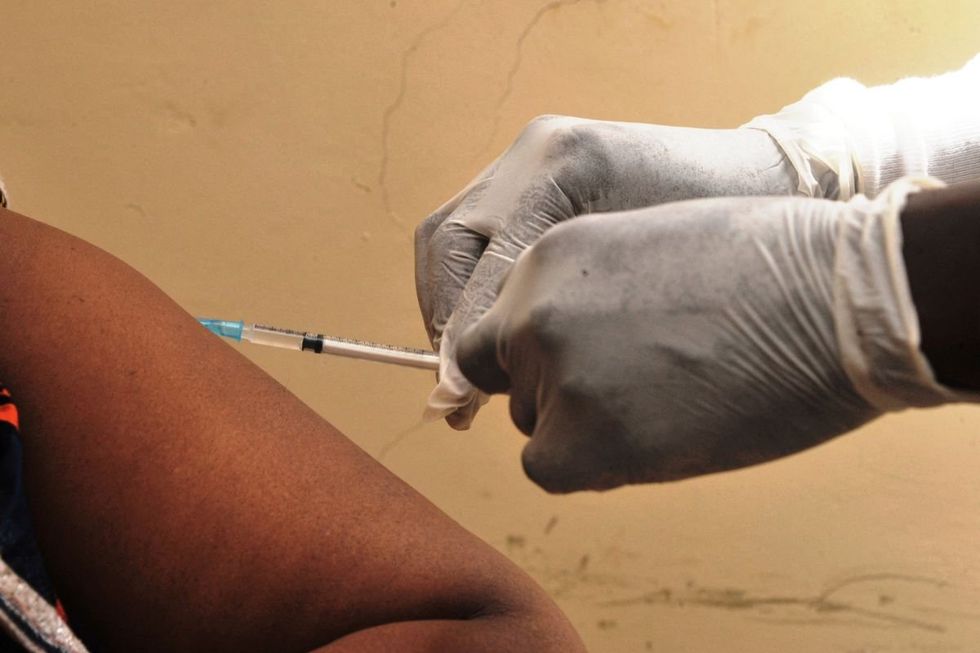
No approved immunisation currently exists against the Bundibugyo virus
|GETTY
Oxford's candidate offers the most immediate prospect, with clinical trials potentially beginning within two to three months.
Moderna's chief executive Stéphane Bancel pledged: "We will move with urgency and scientific rigour to support the response and help bring a potential vaccine closer to the communities that need it most."
Dr Tedros Adhanom Ghebreyesus, director general of the World Health Organization, emphasised that a Bundibugyo vaccine could help control the current epidemic whilst strengthening preparedness for future outbreaks.
Our Standards: The GB News Editorial Charter