










There are spades of diets promising significant turnarounds in high blood pressure, but substituting salt alone could yield even more significant results.
Yet despite the substitutes offering an affordable and effective treatment for the condition, fewer than six per cent of American adults actually use them.
Now, new research unveiled at the American Heart Association's Hypertension Scientific Sessions 2025 has revealed just how effective they can be.
The finding emerged from a comprehensive national analysis examining trends over nearly twenty years.

Excessive sodium consumption and insufficient potassium intake are key factors driving hypertension
|GETTY
Researchers characterised this persistent underutilisation as a significant missed opportunity for reducing rates of heart disease and stroke.
The scale of the problem in America is substantial, with approximately 122.4 million adults - representing 46.7 per cent of the population - living with high blood pressure between 2017 and 2020.
This condition contributed to more than 130,000 deaths during that period, with dietary habits playing a central role in the development of elevated blood pressure.
The American Heart Association advises limiting sodium to no more than 2,300 milligrams daily, with an ideal target below 1,500 milligrams for most adults.
Cutting intake by just 1,000 milligrams can yield meaningful improvements in cardiovascular health.
Salt substitutes function by swapping some or all sodium content for potassium, producing a comparable flavour, though occasionally developing a slightly bitter taste when heated.
This study represents the first examination of long-term usage patterns across a nationally representative sample of American adults.
LATEST DEVELOPMENTS:
Drawing on National Health and Nutrition Examination Survey data collected between 2003 and 2020, researchers tracked products that replace conventional salt with potassium-enriched alternatives.
The findings show usage peaked at just 5.4 per cent during 2013-2014 before falling to 2.5 per cent by early 2020.
Data collection that year concluded prematurely owing to the pandemic.
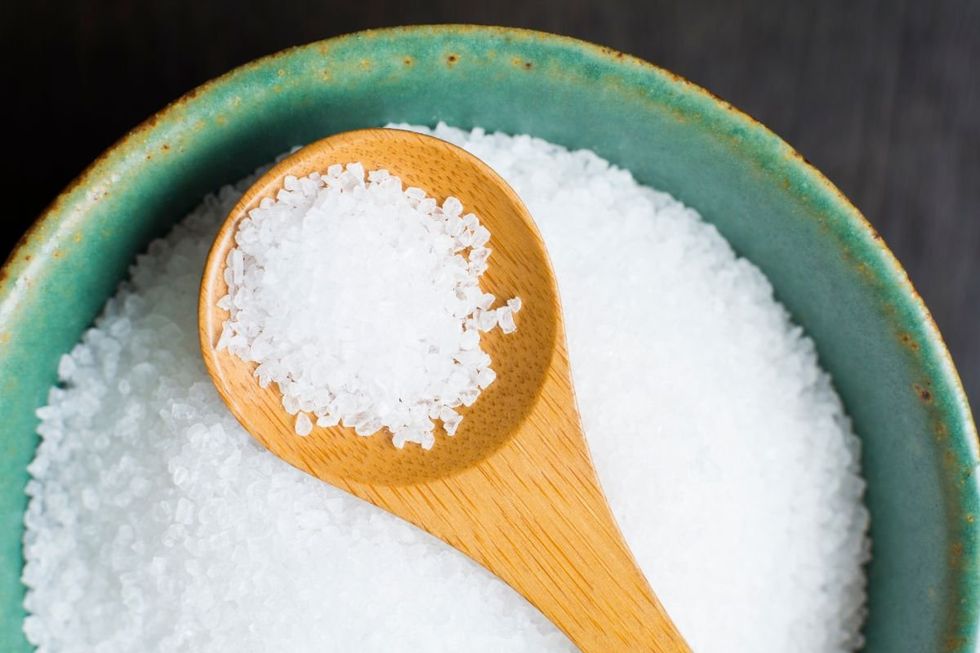
Cutting sodium intake by 1,000 milligrams can yield meaningful improvements in cardiovascular health
|GETTY
Among those deemed safe candidates for salt substitutes - individuals with normal kidney function who are not taking medications affecting potassium levels - usage ranged from merely 2.3 to 5.1 per cent.
Caution is warranted, however, as potassium can accumulate to dangerous levels in those with kidney disease or taking certain medications, potentially causing abnormal heart rhythms.
Lead study author Yinying Wei, a doctoral candidate at UT Southwestern Medical Center in Dallas, said: "Health care professionals can raise awareness about the safe use of salt substitutes by having conversations with their patients who have persistent or hard-to-manage high blood pressure."
Our Standards: The GB News Editorial Charter