





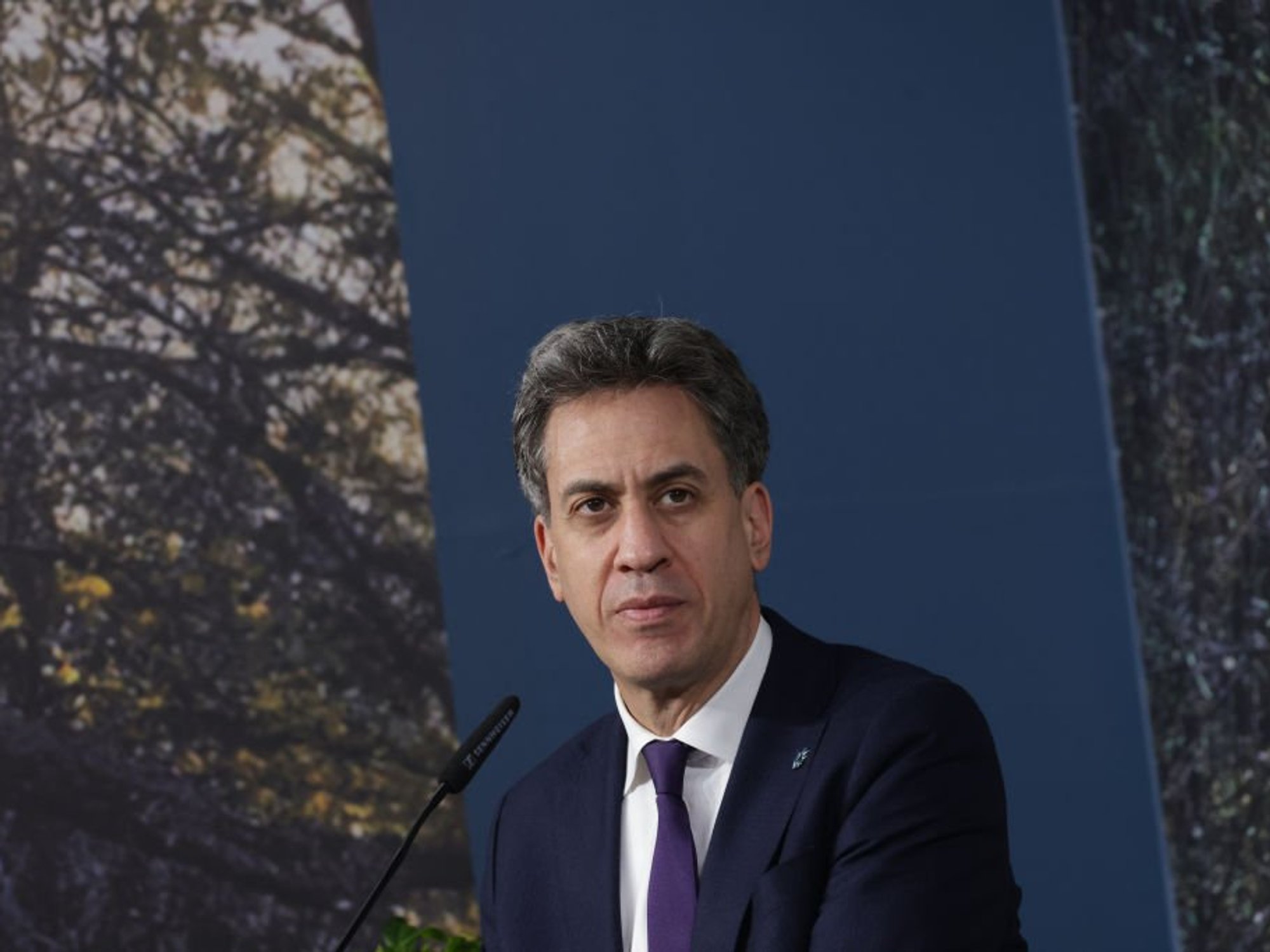

Health Secretary Wes Streeting has unveiled a new NHS Intensive Recovery programme that will place five struggling hospital trusts under intensive scrutiny from next month.
Speaking at the University of East London on Wednesday, Mr Streeting declared that underperformance within the health service would no longer be accepted.
"Failure has been tolerated for too long. Staff know it. Patients feel it. And I won't stand for it," the Health Secretary stated.
Mr Streeting argued that a handful of successful trusts have been obscuring chronic problems elsewhere in the system.
TRENDING
Stories
Videos
Your Say
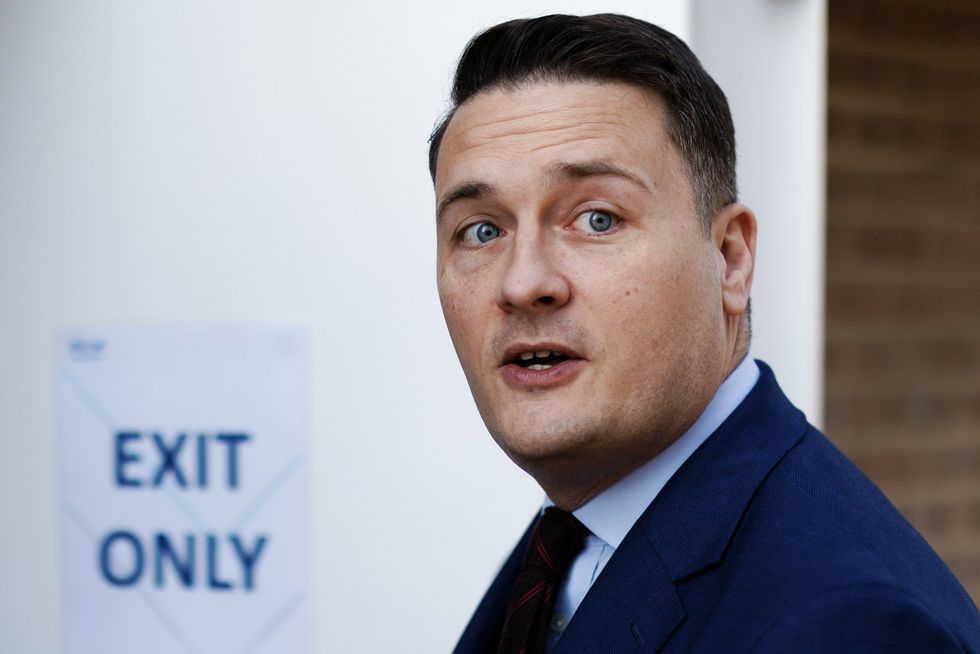
The health secretary says underperformance in the NHS will no longer be tolerated
|GETTY
"We won't have succeeded in changing the NHS until we change it for the patients who are suffering the worst services in the country," he added.
The programme represents a decisive shift away from uniform approaches to tackling persistent difficulties within the health service.
The five trusts entering the programme from April are North Cumbria Integrated Care NHS Foundation Trust, Mid and South Essex NHS Foundation Trust, Hull University Teaching Hospitals NHS Trust, Northern Lincolnshire and Goole NHS Foundation Trust, and East Kent Hospitals NHS Trust.
These organisations sit at the bottom of NHS league tables, experiencing the longest patient waiting times alongside persistent money troubles and frequent changes in senior management.
The Department of Health and Social Care has been clear that these trusts are not struggling due to insufficient effort from their workforce or leadership teams.
Rather, they face entrenched difficulties, including structural limitations and financial imbalances that have never been properly addressed.
Such longstanding issues, according to officials, cannot be resolved by the organisations working in isolation.
Each trust will receive a bespoke improvement plan developed in partnership with local leadership, with a firm focus on delivering results.
LATEST DEVELOPMENTS
Where necessary, senior figures at underperforming trusts may be replaced with proven NHS leaders who have demonstrated success elsewhere in the service.
The programme also opens the door to restructuring, with trusts potentially being merged or separated to ensure resources are distributed according to genuine need.
Additionally, capital funding will be made available to address deteriorating hospital buildings and infrastructure that have hampered service delivery.
This tailored approach marks a deliberate departure from previous strategies, acknowledging that different trusts require different solutions.
The Government has emphasised that decisive intervention is essential for problems that individual organisations simply cannot tackle alone.
The announcement comes amid encouraging signs for the health service more broadly, with the British Social Attitudes Survey showing public satisfaction rising for the first time since before the pandemic.
The King's Fund and Nuffield Trust research recorded a 5.6 percentage point increase in satisfaction, representing the largest fall in dissatisfaction since 1998.
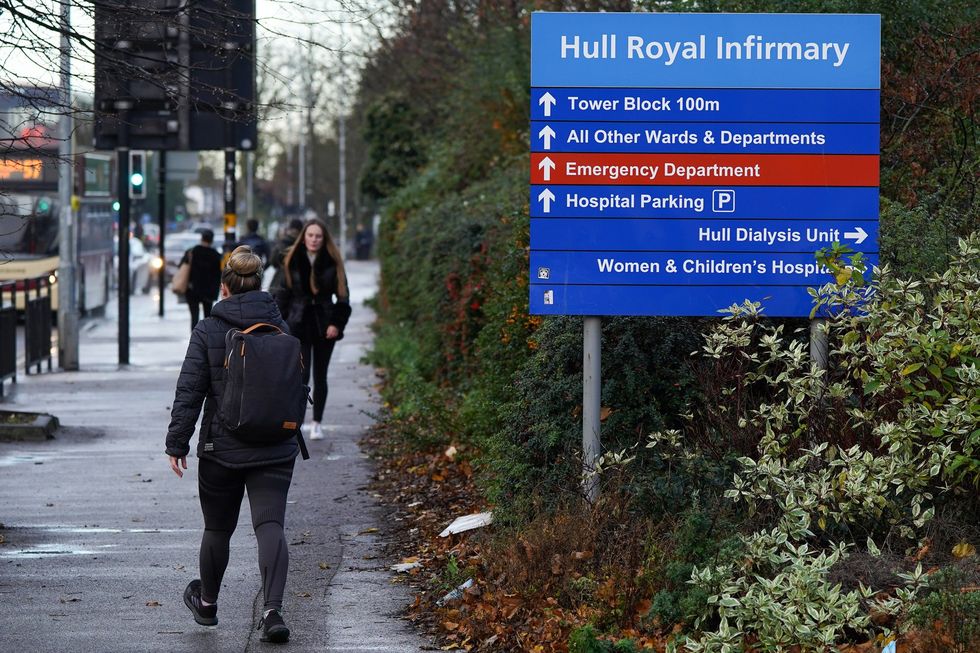
Hull University Teaching Hospitals NHS Trust will participate in the programme
|GETTY
Figures from August to October 2025 showed 26 per cent of respondents were satisfied, up from a record low of just 21 per cent in 2024.
The Government has pointed to substantial investment of £26billion, a reduction of 374,000 in waiting lists since July 2024, and the recruitment of 2,000 additional GPs as driving factors.
However, experts have cautioned that these improvements remain "fragile", with the public still largely dissatisfied with the service overall.
Our Standards: The GB News Editorial Charter