







Fatty liver disease is a condition intricately linked with food intake, but new findings suggest the timing of your meals could be just as important when it comes to protecting the liver.
New research from the University of Oxford has revealed that fatty liver disease, which affects roughly four-in-ten adults globally, gets significantly worse during the night hours.
The study, published in Cell Metabolism, found that our bodies become less sensitive to insulin after dark, while the liver ramps up its fat production.
Scientists also discovered that muscle tissue and abdominal fat struggle to function properly at night, and blood insulin levels drop, making it even easier for fat to accumulate in the liver.
TRENDING
Stories
Videos
Your Say

A drop in insulin makes it easier for fat to build up in the liver at night
|GETTY
These metabolic problems persist even after people shed weight and reduce liver fat.
The Oxford team noticed that people with fatty liver disease tend to eat a hefty chunk of their daily food in the evening.
In fact, most participants in the study were getting more than 40 per cent of their total calories from their evening meal alone.
This creates what researchers are calling a "double hit" effect, because you're loading up on energy at precisely the moment your body is least equipped to handle it.
When metabolism is already struggling, and you pile on a large meal, sugar and fat have nowhere to go but straight into liver storage.
The findings suggest that simply shifting when we eat could open up new ways to prevent and treat the condition.
The study's lead author and NIHR Academic Clinical Lecturer in Hepatology at Oxford, Dr Thomas Marjot, was surprised by the results.
LATEST DEVELOPMENTS
"Our findings were really striking – all the key pathways known to cause fat build-up in the liver worsened at night: the body was far less responsive to insulin, the liver produced more fat, and muscle and abdominal fat tissue couldn't perform their metabolic functions effectively," he explained.
What is particularly fascinating is that these nighttime metabolic issues stuck around even after patients lost weight and cleared fat from their livers.
Dr Marjot added: "This suggests that altered metabolism at night may occur early and could be a primary driver of MASLD."
He continued: "For patients with MASLD, having a large evening meal is a bad idea."
Rowan Waller, a 43-year-old from Oxford, was one of the study participants who discovered he had fatty liver disease through routine blood tests and an ultrasound.
He went through the day and night investigations before and after a 12-week weight loss programme, managing to drop two stone in the process.
"I managed to lose two stone (14 kg), and it was great to see my metabolism improve in real-time across the course of the study," Rowan said.
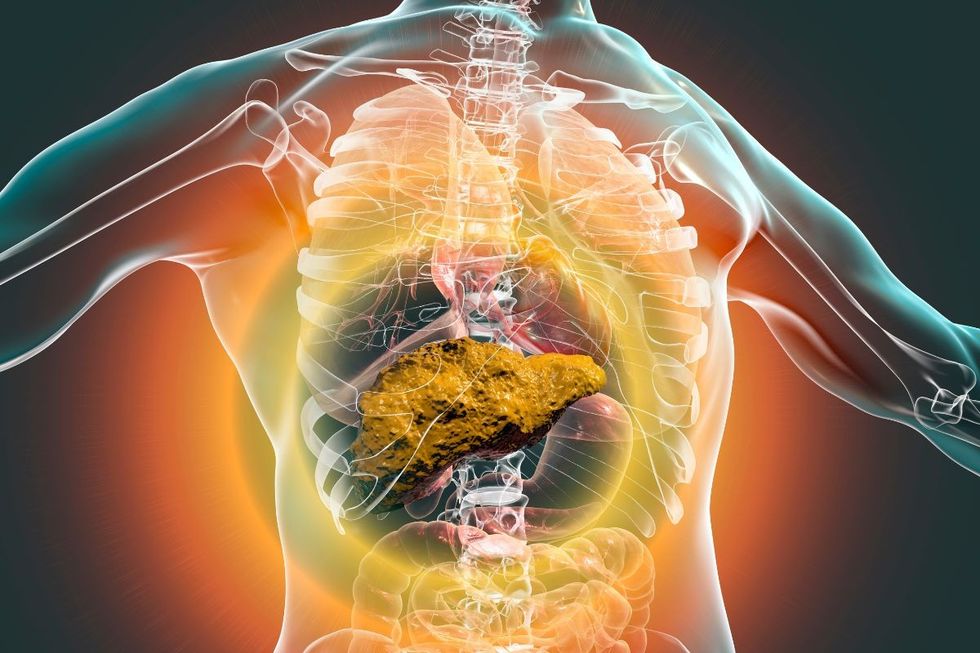
The body becomes far less sensitive to insulin after dark
| GETTYHe's now much more mindful about his habits, particularly avoiding fatty foods in the evening.
Professor Rachel Upthegrove, NIHR Oxford Health BRC Director, called the research "fantastic" and said it offers powerful insights into how disrupted daily rhythms can damage the liver, with broader implications for treating obesity, insulin resistance and diabetes.
Our Standards: The GB News Editorial Charter