









Health officials are warning that Ebola transmission may have been occurring for weeks before the crisis was formally identified.
At least 131 people have died, while more than 513 cases are now suspected across the country, according to local authorities.
The outbreak is caused by the Bundibugyo ebolavirus, a rare strain for which no licensed vaccines or treatments currently exist.
Dr Daniela Manno, Clinical Assistant Professor at the London School of Hygiene & Tropical Medicine, said: "The number of suspected cases reported before confirmation suggests transmission may have been ongoing for several weeks before the outbreak was formally recognised."
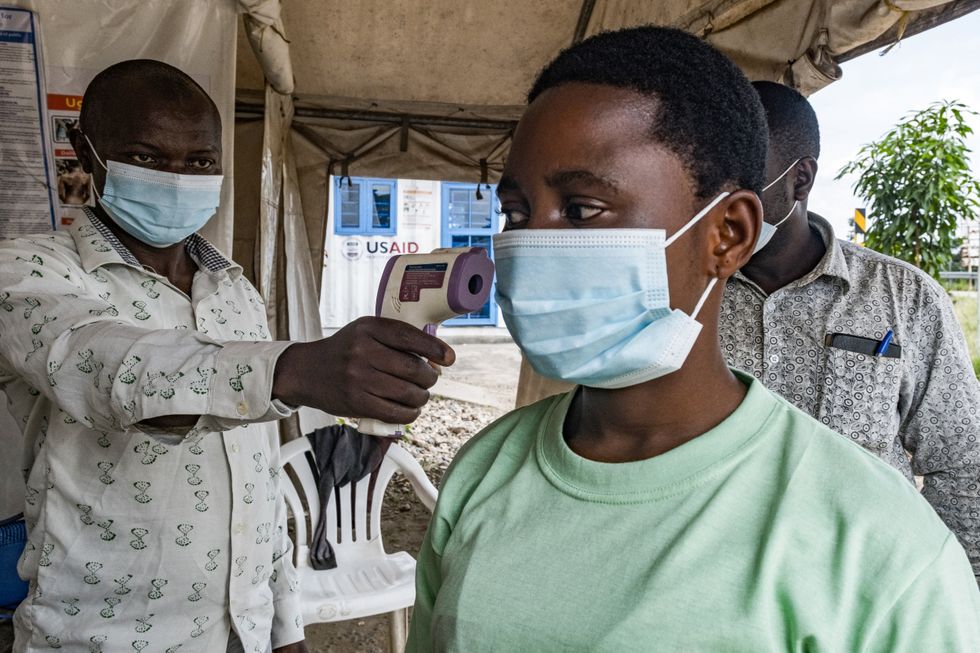
The WHO has warned the outbreak could become 'much larger'
|GETTY
The WHO has cautioned that this could become "a much larger outbreak" than has been detected so far, with a substantial risk of regional spread.
The virus has now spread to multiple new locations within the DRC, including Nyakunde in Ituri Province, Butembo in North Kivu, and the major city of Goma.
A government spokesman confirmed that infections are being reported across an increasingly wide geographical area.
The outbreak has also crossed international borders, with Uganda recording two confirmed cases and one fatality, according to the US Centers for Disease Control and Prevention.
In response, the WHO has urged both the DRC and Uganda to implement cross-border screening measures to prevent further transmission.
Neighbouring Rwanda announced it would strengthen checks along its frontier with the DRC as a precautionary step.
Nigeria has stated it is closely observing developments.
The WHO has called on countries in the region to bolster their preparedness, including enhanced surveillance at healthcare facilities and within local communities.
LATEST DEVELOPMENTS
An American doctor working with the medical missionary organisation Serge has tested positive for the virus. Peter Stafford will be transported to Germany for treatment, according to CBS News.
His wife, Dr Rebekah Stafford, was among two other doctors from the group who were exposed while caring for patients but have not developed symptoms and are observing quarantine protocols.
Sources cited by CBS News indicate that at least six American nationals have been exposed to Ebola during the current outbreak.
The CDC confirmed it is facilitating the "safe withdrawal of a small number of Americans who are directly affected" but declined to specify exact numbers.
Reports suggest the US is making arrangements to move the affected Americans to a secure quarantine facility, potentially a US military installation in Germany, though this remains unconfirmed.
The United States has issued its most severe travel warning, a Level Four advisory, urging citizens to avoid all travel to the DRC.
Entry restrictions have been imposed on foreign passport holders who have visited Uganda, the DRC, or South Sudan within the previous 21 days.
The CDC stated on Monday that while the risk to America remains relatively low, it would implement several protective measures.
These include monitoring passengers arriving from affected regions and working alongside airlines to conduct contact tracing.
The agency also announced plans to expand testing capacity and ensure hospitals are prepared to respond to potential cases.
During a press conference on Sunday, CDC officials refused to answer direct questions about the American citizens reportedly affected by the outbreak.
The public health body emphasised its commitment to preventing the disease from reaching US soil.
Dr Manno highlighted several factors making this outbreak particularly worrying, including the region's ongoing insecurity, population displacement, and high mobility, all of which hamper surveillance and healthcare delivery.
She noted that a previous Ebola outbreak in the same North Kivu and Ituri provinces between 2018 and 2020 persisted for nearly two years, with security concerns and community distrust repeatedly disrupting response efforts.
The absence of approved vaccines or therapeutics for the Bundibugyo virus means authorities must rely on traditional public health interventions.
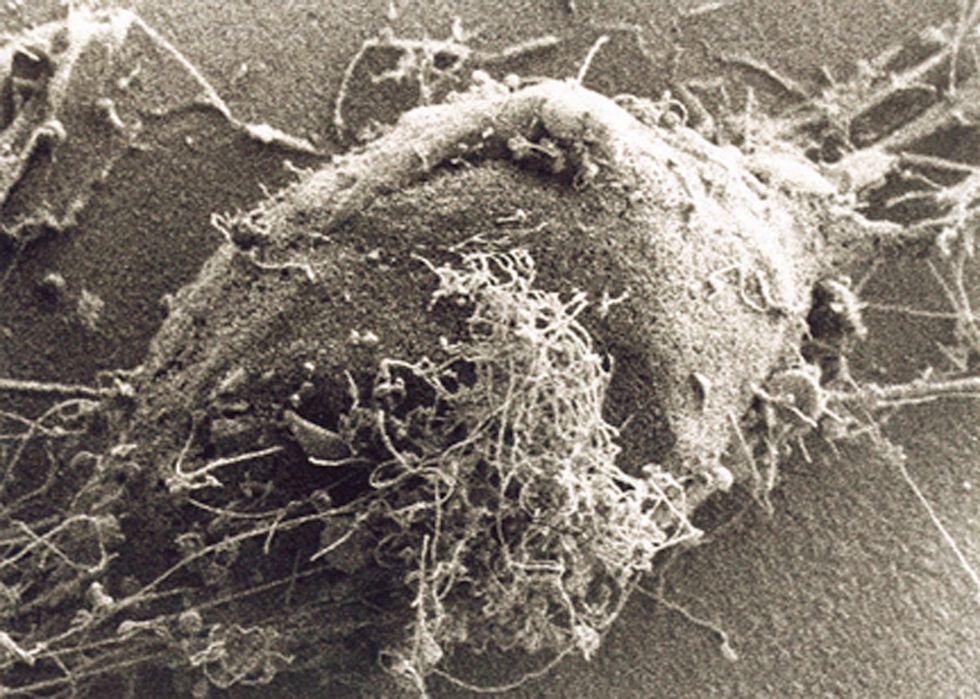
The current outbreak was caused by the Bundibugyo ebolavirus
|GETTY
"Response efforts rely heavily on classical public health measures such as rapid case detection, isolation, contact tracing, infection prevention and control, safe burials, and community engagement," Dr Manno explained.
Jean Kaseya, head of the Africa Centres for Disease Control and Prevention, urged adherence to public health guidance, particularly regarding funeral practices.
"We don't want people infected because of funerals," he told the BBC.
Our Standards: The GB News Editorial Charter