






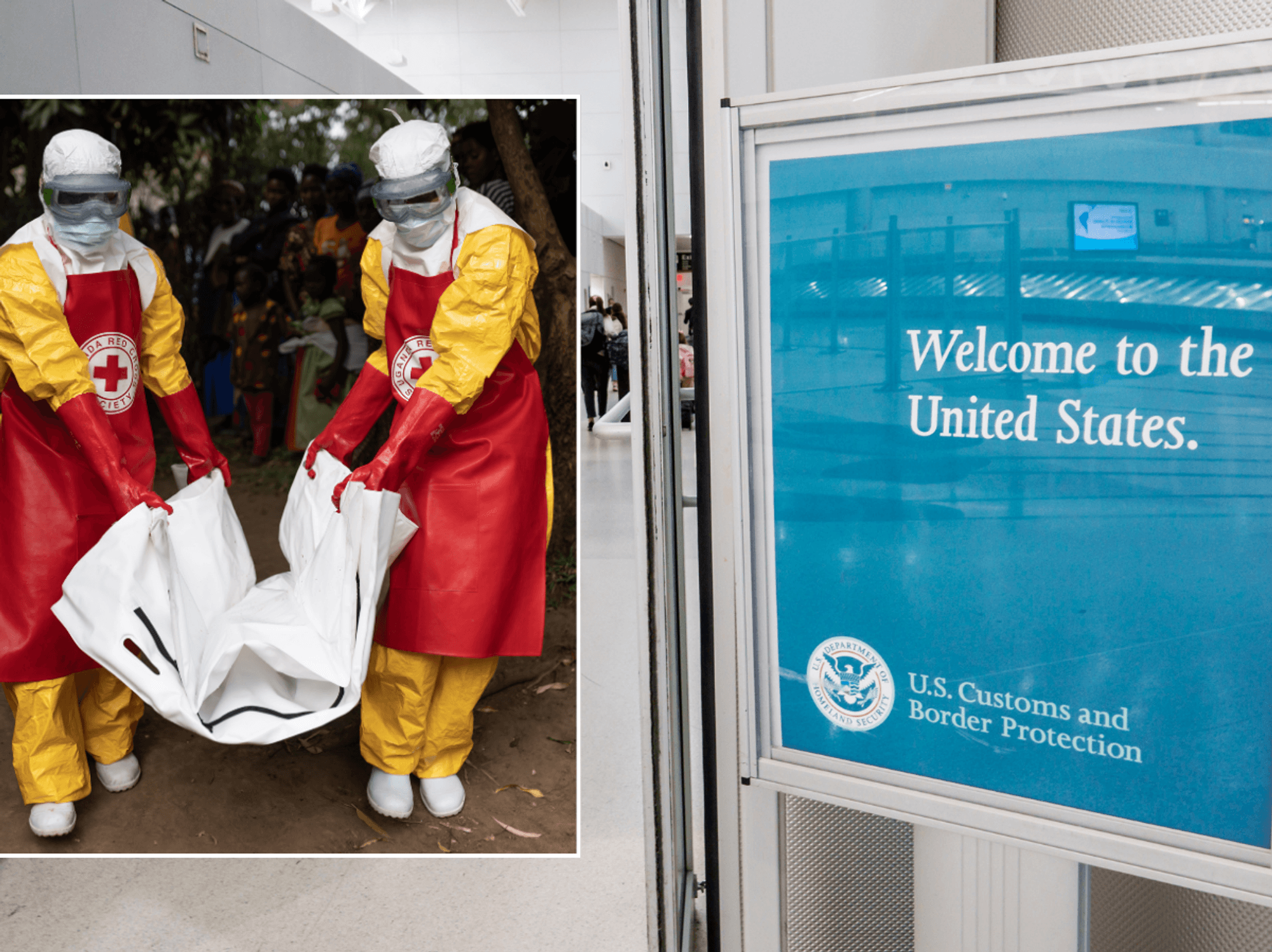

Calls are growing for tighter health screening at Britain’s borders amid fears a rare and poorly understood strain of Ebola virus could spread internationally from central Africa.
Experts have warned the outbreak involves the little-known Bundibugyo strain of Ebola - a deadly virus with no proven licensed vaccine specifically designed for it and no approved targeted treatment.
The World Health Organisation has declared the escalating outbreak in the Democratic Republic of Congo and Uganda a “public health emergency of international concern” after cases appeared hundreds of miles apart.
Scientists fear the virus may already have been spreading undetected for weeks in regions devastated by conflict, poor healthcare access and mass population movement.
A leading infectious disease expert who was involved in the Ebola crisis that reached the UK a decade ago warned Britain must keep a “watchful eye” on travellers arriving from affected regions.
Dr Bharat Pankhania, a former senior lecturer at Exeter University who led the Ebola surveillance measures during the 2014 Ebola outbreak that saw Scottish nurse Pauline Cafferkey treated at London’s Royal Free Hospital, said the situation was “extremely worrisome”.
He said: “This is an extremely worrisome development which is why the World Health Organisation has enacted a medical emergency of international importance.
“We were unaware of this for much longer than we would like. It is understandable the civil war in the region would contribute to the delay.
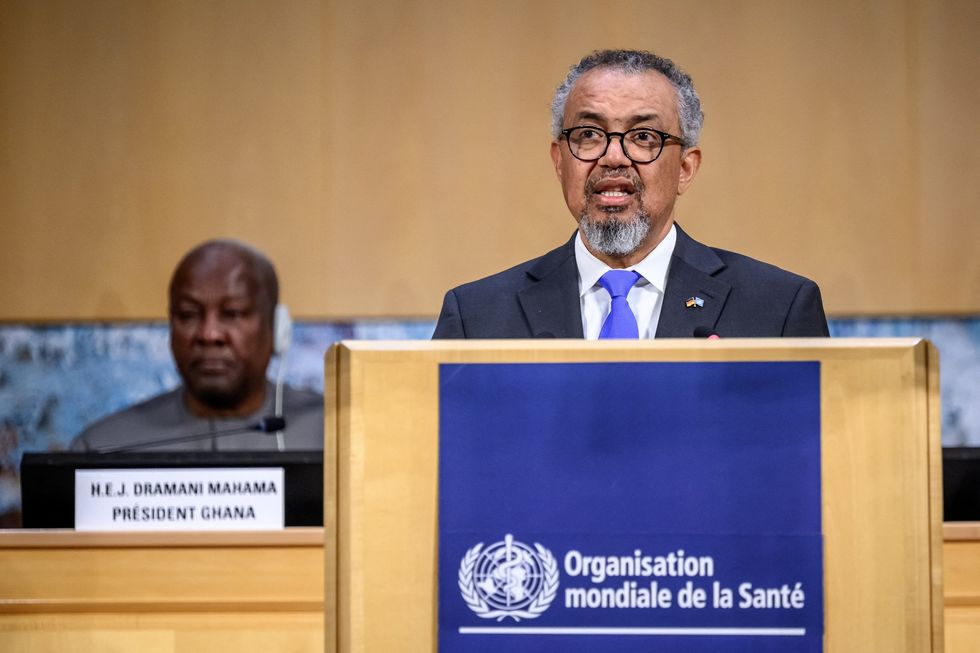
The WHO declared the escalating outbreak in the Democratic Republic of Congo and Uganda a 'public health emergency'
|GETTY
“It is a late diagnosis and even a decade ago in West Africa it was picked up much earlier.”
The current outbreak is centred in Ituri province in eastern Congo near the Ugandan border, where healthcare systems are struggling amid violence and instability.
Africa’s health officials have reported 246 suspected cases and 65 deaths so far, although only a small number have been laboratory confirmed.
The Bundibugyo strain has only previously caused two recognised outbreaks - in Uganda in 2007-08 and in Congo in 2012.
LATEST DEVELOPMENTS
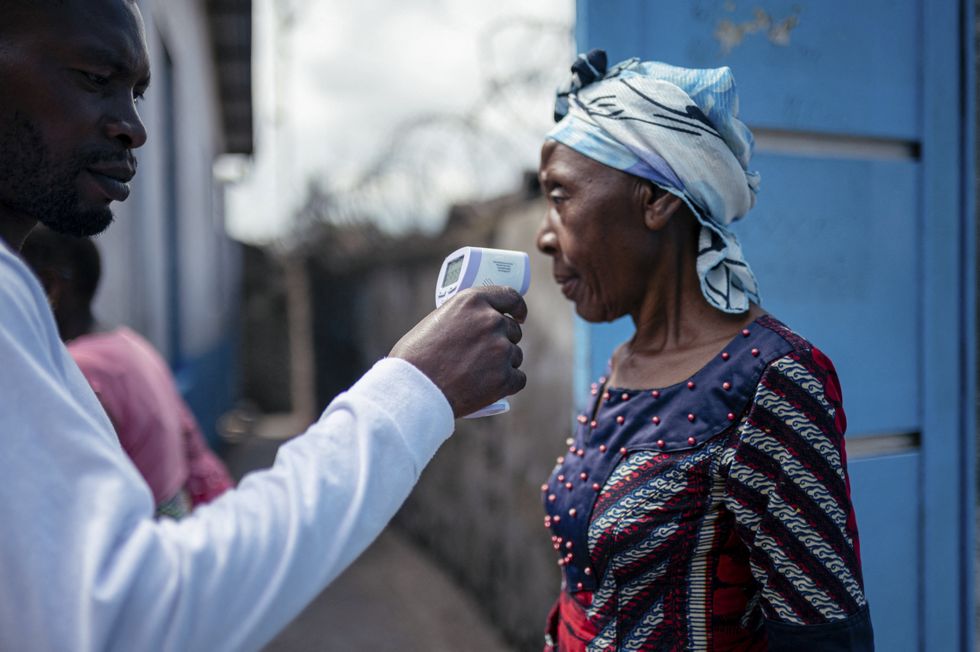
Africa’s health officials have reported 246 suspected cases and 65 deaths so far
|GETTY
Prof Emma Thomson, Clinical Professor of Infectious Diseases and Director of the Medical Research Council University of Glasgow Centre for Virus Research, warned there were “several reasons for concern”.
She said: “Reports that initial …Ebola testing was negative suggest that the outbreak may have gone undetected for some time.”
She also warned cases appearing in Kinshasa and Kampala showed “the virus has already moved through human mobility networks before full containment was in place.”
Dr Pankhania warned the disease’s long incubation period meant many more infections could already be in the pipeline.
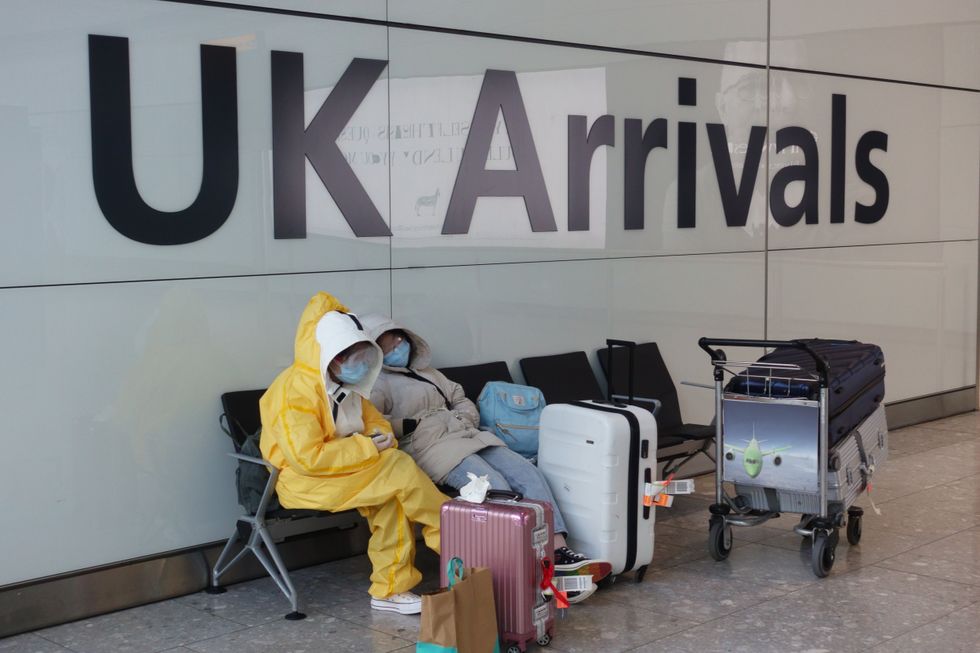
A leading infectious disease expert has warned Britain to keep a 'watchful eye' on travellers arriving from impacted regions
|GETTY
He said: “This long incubation period - of up to 21 days implies more difficulties for isolation of contacts. I expect more cases in the next 21 days.
“The infectious agent has been there and exposed to people who are not patients yet, they will be incubating it and we don’t know when they will turn into cases.”
During the catastrophic West African Ebola epidemic between 2014 and 2016, more than 28,000 people were infected and over 11,000 died, mainly in Guinea, Liberia and Sierra Leone.
Britain saw only a handful of linked cases, including nurse Pauline Cafferkey, who contracted Ebola while volunteering in Sierra Leone before being flown back to the UK for specialist treatment.
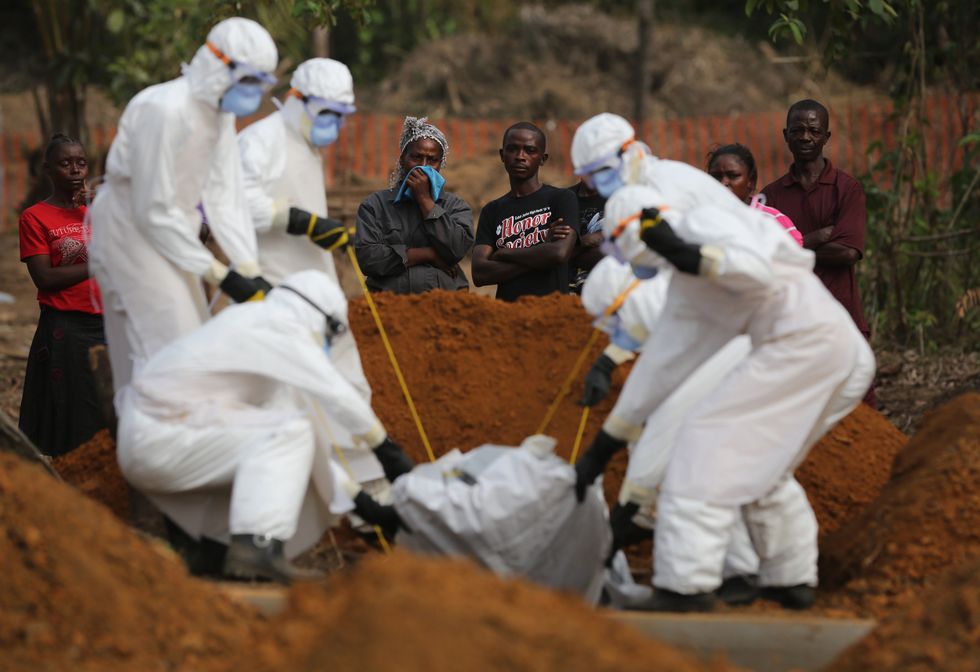
More than 11,000 people died during the catastrophic West African Ebola epidemic between 2014 and 2016
|GETTY
Dr Pankhania said lessons from that crisis showed rapid monitoring, contact tracing and containment of contacts were critical.
He warned: “This has the potential to spread beyond the epicentre and into Europe and the UK, for example if a person is a contact and becomes a case far away from the epicentre, it will create a new cases elsewhere.”
He added: “There is always the potential for it to spread to Europe and the UK due to the fact there is more movement of people, although the probability is low, for this population is not the type who can afford international travel”
The expert called for enhanced checks on travellers arriving from affected regions.
He said: “We need to keep a watchful eye on anyone arriving from this area on the Ugandan border or if they have been travelling from there to other parts of the country.
“We need to be asking people where have you come from in the last 21 days and where have they been?
“We should be asking this because if you’ve been exposed to Ebola virus then you do not want to be in free circulation because you may be about to become a case.”
Ebola spreads through direct contact with bodily fluids from infected people and can cause fever, vomiting, diarrhoea, internal bleeding and organ failure. Mortality rates can reach 50 per cent or higher in some outbreaks.
Dr Pankhania warned: “The case fatality rate on average is 30 to 50 per cent and this may be lower where we have advanced healthcare such as in the UK, it is nevertheless serious.”
He said there was currently no approved specific treatment for the Bundibugyo strain, with care mainly focused on supportive treatment such as fluids, dialysis and blood transfusions.
Scientists say one of the biggest fears is the lack of a licensed vaccine for the strain involved in the outbreak.
Prof Trudie Lang, Professor of Global Health Research at Oxford University, said: “One of the most significant concerns is that this outbreak involves the Bundibugyo ebolavirus strain, a form of Ebola for which we do not currently have licensed vaccines available.”
Dr Natsuko Imai, Research Lead in Epidemics and Epidemiology at Wellcome, said the evolving outbreak was “concerning” and warned there were “limited diagnostics relying on specialist labs, making it difficult to assess the true scale of its spread.”
Our Standards: The GB News Editorial Charter