










Cancer Research UK has revealed that mortality rates from the disease have reached their lowest point in British history, marking a significant milestone in the nation's ongoing battle against cancer.
The charity's analysis demonstrates an 11 per cent reduction in death rates over the past ten years, with current figures standing at 247 fatalities per 100,000 individuals annually.
This represents remarkable progress when compared with the 1989 peak, when 355 people per 100,000 succumbed to the illness.
The 29 per cent decline since that high point reflects decades of sustained effort in research, prevention and treatment across the United Kingdom.
TRENDING
Stories
Videos
Your Say
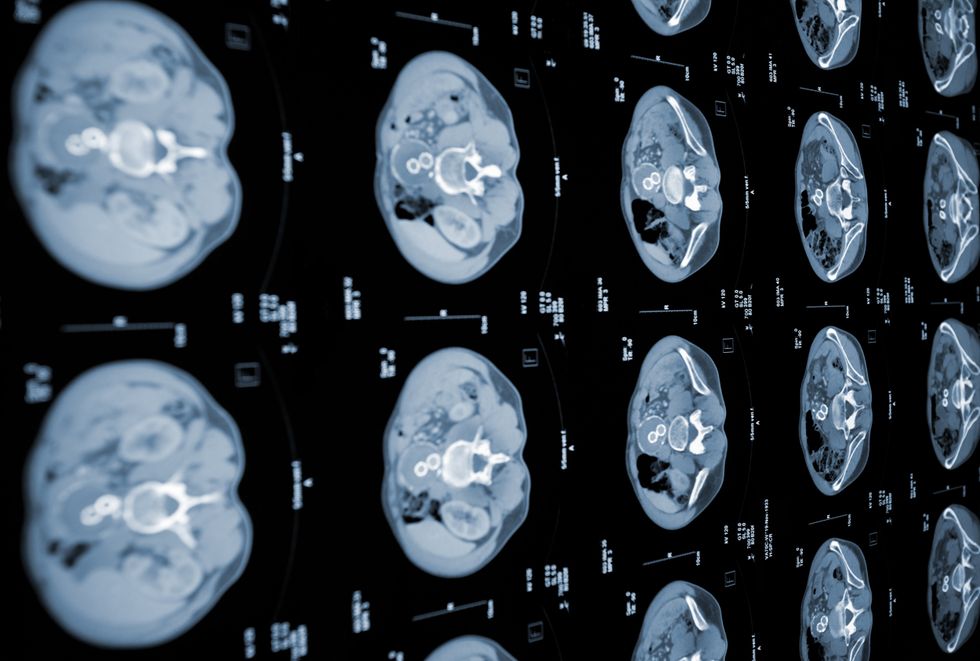
Stomach cancer has witnessed the most dramatic improvement
|GETTY
Stomach cancer has witnessed the most dramatic improvement, with fatalities declining by 34 per cent between 2012-2014 and 2022-2024.
Lung cancer deaths have similarly plummeted, falling by 22 per cent during the same period. Ovarian cancer mortality has dropped by 19 per cent, offering hope to thousands of women across Britain.
The positive trajectory extends to several other forms of the disease.
Breast cancer deaths have decreased by 14 per cent, whilst oesophageal cancer has seen a 12 per cent reduction.
Cervical cancer and prostate cancer have both experienced 11 per cent declines, with leukaemia down by nine per cent and bowel cancer falling by nine per cent.
Despite the encouraging overall picture, certain cancers have bucked the positive trend.
Gallbladder cancer deaths have surged by 29 per cent, whilst eye cancer fatalities have risen by 26 per cent.
LATEST DEVELOPMENTS:
Liver cancer has increased by 14 per cent, with kidney cancer up by 5 per cent.
Meanwhile, several cancer types have shown neither improvement nor deterioration.
Pancreatic cancer, thyroid cancer and melanoma death rates have all remained essentially unchanged over the decade.
The charity also noted that Britain's growing and ageing population means the absolute number of cancer deaths continues to climb, even as the rate per capita falls.
The NHS cervical screening programme has proven particularly transformative, contributing to a 75 per cent reduction in cervical cancer deaths since the 1970s.
The HPV vaccine, administered to schoolchildren since 2008, has reached at least 6.5 million recipients across the nation.
The positive trajectory extends to several other forms of the disease
|GETTY
Smoking bans and nationwide screening programmes for breast, bowel and cervical cancers have also played crucial roles.
Dr Sam Godfrey, science engagement lead at Cancer Research UK, said: "These figures represent decades of crucial scientific breakthroughs - from vaccines that prevent cancer to kinder, more targeted treatments."
He urged the Government to streamline clinical trial processes and ensure NHS staff have adequate time for life-saving research.
Our Standards: The GB News Editorial Charter