








Lifestyle choices, including eating red meat, smoking, and carrying excess weight, account for more than a quarter of healthy years lost to breast cancer globally, according to the most comprehensive study ever conducted on the disease.
The research, published in the Lancet Oncology, drew on cancer registry data from over 200 countries spanning three decades to examine the condition and its associated risk factors.
Researchers from the Global Burden of Disease Study Breast Cancer Collaborators found that 28 per cent of the worldwide breast cancer burden in 2023 was connected to six modifiable behaviours.
This equated to 6.8 million years of healthy life lost to disability, illness and premature death that could potentially have been avoided.
TRENDING
Stories
Videos
Your Say

There has been a sharp increase in breast cancer cases among younger women
|GETTY
The study projects that new breast cancer diagnoses among women will surge by a third worldwide, climbing from 2.3 million in 2023 to exceed 3.5 million by 2050.
Particularly concerning is the sharp increase among younger women.
Diagnosis rates in those aged 20 to 54 have climbed by nearly 29 per cent since 1990, while rates among women 55 and older have remained largely stable.
In 2023, older women still bore the greater burden, with 161 cases per 100,000 compared to 50 per 100,000 in the younger age group.
Within the UK, approximately one in seven women will receive a breast cancer diagnosis during their lifetime.
Previous Cancer Research UK findings indicated that over four in 10 UK cancer cases could be prevented through lifestyle modifications.
Among the six modifiable risk factors identified, high red meat consumption emerged as the most significant contributor, accounting for nearly 11 per cent of all healthy life years lost to the disease.
Tobacco use, including exposure to secondhand smoke, ranked second at eight per cent.
LATEST DEVELOPMENTS
Elevated blood sugar levels were linked to six per cent of the burden, while high body mass index contributed four per cent.
Alcohol consumption and insufficient physical activity each accounted for two per cent of healthy years lost.
The findings suggest that avoiding smoking, exercising adequately, reducing red meat intake, and maintaining a healthy weight could prevent more than a quarter of the illness and early death caused by breast cancer across the globe.
Kayleigh Bhangdia, lead author from the Institute for Health Metrics and Evaluation at the University of Washington, said: "Breast cancer continues to take a profound toll on women's lives and communities.
"While those in high-income countries typically benefit from screening and more timely diagnosis and comprehensive treatment strategies, the mounting burden of breast cancer is shifting to low- and lower middle-income countries where individuals often face later-stage diagnosis, more limited access to quality care and higher death rates that are threatening to eclipse progress in women's health."
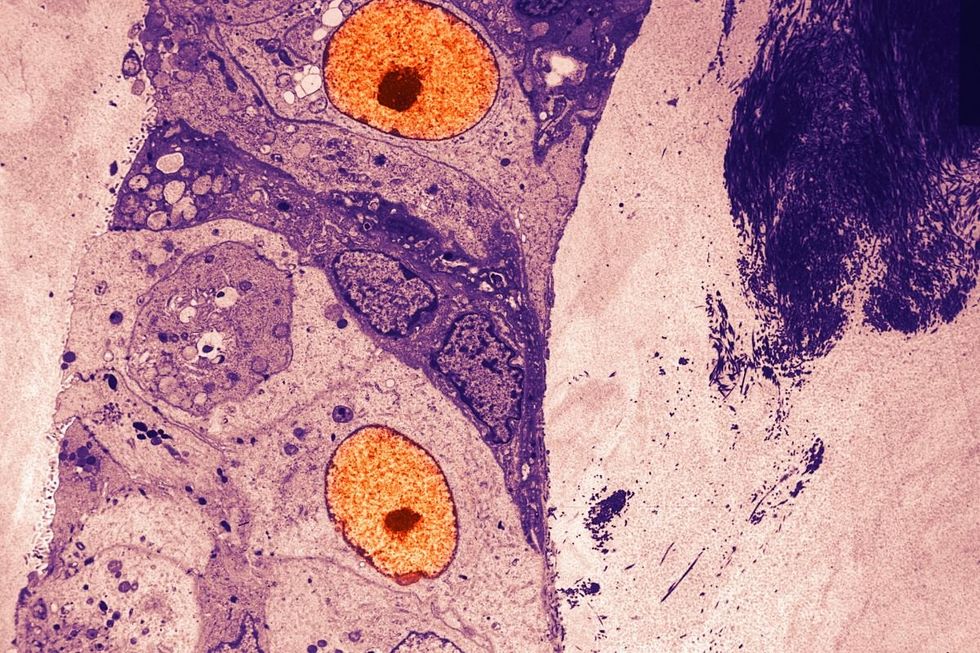
Numerous breast cancer cases are globally tied to avoidable factors
|GETTY
Claire Rowney, chief executive of Breast Cancer Now, described the research as "a stark reminder that breast cancer is a disease that continues to take and rip apart far too many lives".
Sophie Brooks, health information manager at Cancer Research UK, stressed that prevention remains crucial, with numerous cases globally tied to avoidable factors.
Our Standards: The GB News Editorial Charter