









Patients treated by the NHS endure some of the poorest survival outcomes across the developed world, a damning new report has revealed.
The Institute for Public Policy Research examined 22 affluent countries and found Britain languishing near the very bottom for "treatable mortality"—preventable deaths that proper medical intervention should avert. Only the United States fared worse than the UK in the international comparison.
The findings arrive despite health service funding reaching unprecedented levels, raising urgent questions about how taxpayer money is being allocated.
The IPPR's analysis paints a troubling picture of a system where record investment has failed to translate into better patient outcomes, leaving Britain trailing behind nations with comparable wealth and healthcare ambitions.
TRENDING
Stories
Videos
Your Say
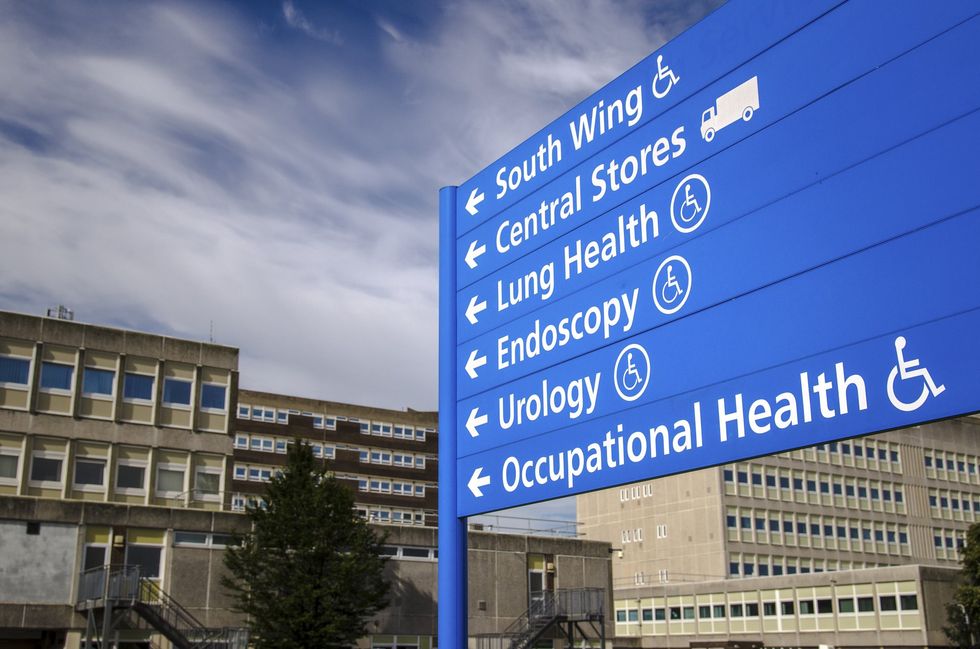
IPPR has concluded that the NHS budget has been "poorly targeted"
|GETTY
The NHS budget has ballooned to £242billion, a substantial increase from £179billion just a decade ago.
However, the IPPR concluded that this record expenditure has been "poorly targeted", with the vast majority flowing towards staffing costs and wages rather than essential infrastructure. The consequences are stark when examining diagnostic capacity.
Britain possesses merely 19 MRI, CT and PET scanners per million inhabitants, compared with approximately 50 in other tax-funded healthcare systems and 68 on average in nations using social insurance models.
Hospital bed numbers tell a similar story, with the UK falling well short of comparable countries.
Capital investment in buildings, equipment and technology remains at roughly half the level seen elsewhere, the report found.
This chronic underinvestment in physical assets has been identified as a primary cause of lengthy waiting times and inferior patient outcomes.
LATEST DEVELOPMENTS
Health Secretary Wes Streeting responded on Sunday by pledging to resist any cuts to the NHS budget whilst acknowledging his duty to ensure funds are "well-spent".
"We've got a budget the size of the government of Portugal, and this is one of the reasons why, when I'm making choices about the investment and modernisation of the NHS, I'm always doing so with this responsibility to make sure that not just the extra money, but all of the money going into the NHS is well-spent," he told the BBC.
The Health Secretary cited competing demands across government as necessitating difficult "choices and trade-offs".
Meanwhile, the debate over alternative funding models continues to simmer. Reform UK leader Nigel Farage previously advocated for a French-style social insurance arrangement, adding: "On the big UK picture of health, I’m prepared to consider any alternative to the failure we’ve got now."
Meanwhile, former Health Secretary Sajid Javid has similarly championed a European-style hybrid combining insurance with state provision.
The IPPR dismissed calls for overhauling the NHS funding model as a "pointless distraction" from the real issues at hand.
The think tank's research found no consistent evidence that insurance-based systems delivered superior results overall, with performance varying considerably within both approaches.
Scandinavian tax-funded systems, for instance, matched or exceeded the finest insurance-based alternatives.
Tax-funded arrangements also offered distinct advantages, including reduced administrative costs and fewer financial barriers to accessing care.
Health service funding in the UK has reached unprecedented levels
|GETTY
Sebastian Rees, head of health at the IPPR, said: "The NHS's challenges are real, but they are the result of a decade of underinvestment and choices on how money is spent, not the funding model itself."
Without redirecting how resources are deployed, the health service will continue lagging behind international peers regardless of funding mechanisms, the report concluded.
Our Standards: The GB News Editorial Charter