








Scientists have revealed that older adults receiving high-dose influenza vaccinations may slash their chances of developing Alzheimer's dementia by approximately 55 per cent.
Women demonstrated the most pronounced protective effects from the stronger jab, which is especially significant given that they face roughly double the likelihood of developing the devastating memory-robbing condition compared with their male counterparts.
But although the study found that women showed more sustained and reliable benefits, researchers have yet to determine the underlying cause of this disparity.
TRENDING
Stories
Videos
Your Say

The jab helps strengthen immune responses
|GETTY
The investigation, which examined individuals aged 65 and above over two years, drew on data from close to 200,000 Americans who had reached their 65th birthday or beyond.
Since 2022, health authorities in the US have recommended that seniors receive a formulation roughly four times more potent than the standard offering given to younger populations.
This enhanced dosage compensates for the natural weakening of immune defences that accompanies ageing.
Previous work conducted by UTHealth Houston had already established that pensioners opting for conventional flu jabs were 40 per cent less likely to develop Alzheimer's over four years when compared with those who declined vaccination altogether.
The high-dose variant, however, appears to amplify these protective qualities considerably.
Scientists are now endeavouring to unravel precisely how the more potent vaccination might combat Alzheimer's disease.
The prevailing hypothesis suggests the jab strengthens immune responses while simultaneously suppressing inflammation within the brain, a process thought to be central to the condition's progression.
LATEST DEVELOPMENTS
"Enhanced [flu vaccines] confer greater protection against influenza infection, thereby decreasing risk of severe illness and the associated systemic inflammation that can promote neuroinflammation and neurodegeneration," the study authors wrote.
This mechanism essentially prevents the cascade of inflammatory responses that can damage neural tissue and accelerate cognitive decline.
Researchers believe severe influenza infections trigger widespread bodily inflammation that subsequently affects brain health.
The research acknowledged several caveats that warrant consideration, with healthy-user bias presenting the first concern. In other words, individuals who seek out enhanced vaccinations may generally adopt more health-conscious behaviours that independently reduce dementia risk.
Additionally, the study lacked complete data regarding mortality rates and socioeconomic circumstances.
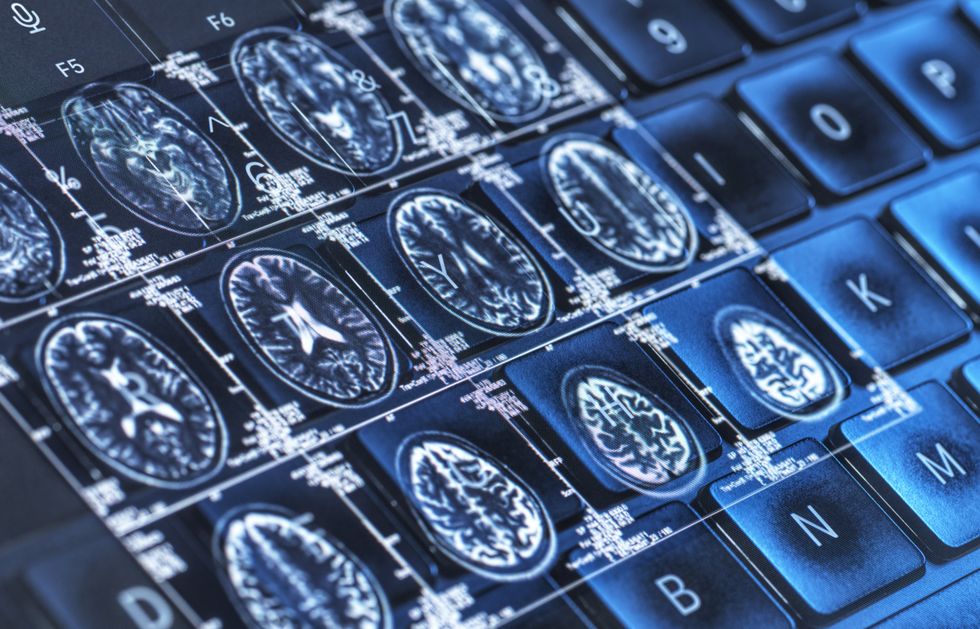
The findings offer particular hope for women
|GETTY
Nevertheless, these findings complement an expanding body of evidence indicating that various immunisations may safeguard cognitive function, with shingles, RSV and Tdap vaccines demonstrating comparable brain-protective properties.
The implications for Britain are substantial, with projections suggesting dementia cases could exceed 1.6 million by 2050 as the population ages.
Our Standards: The GB News Editorial Charter