










Following a specific dietary regimen can slow the brain's ageing process by more than two years, scientists have revealed.
The research, published Tuesday in the Journal of Neurology, Neurosurgery & Psychiatry, tracked more than 1,600 adults for approximately 12 years.
Participants who closely adhered to the MIND diet — a fusion of Mediterranean and DASH eating patterns —demonstrated significantly reduced structural brain deterioration.
The investigation drew from a subset of the renowned Framingham Heart Study, enrolling individuals averaging 60 years of age who showed no signs of stroke or dementia when the study commenced in 1999.
TRENDING
Stories
Videos
Your Say
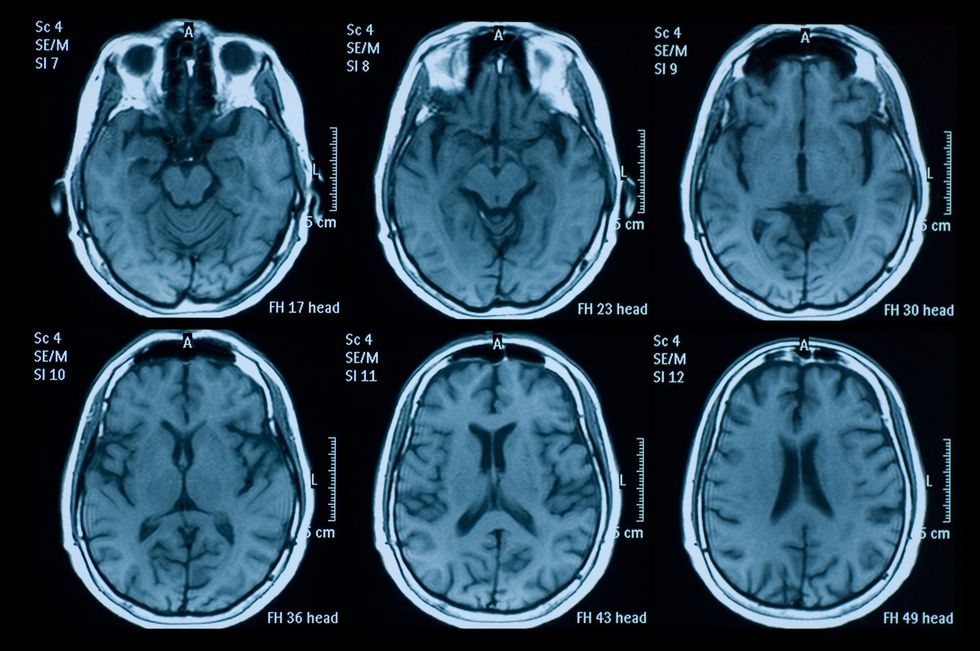
The MIND diet could significantly reduce structural brain deterioration
| GETTYThroughout the follow-up period, subjects completed dietary questionnaires, attended routine health assessments, and underwent multiple MRI brain scans to measure changes in brain structure.
Standing for Mediterranean-DASH Diet Intervention for Neurodegenerative Delay, the MIND diet merges the most beneficial neurological elements from two celebrated eating plans
The Mediterranean approach, widely praised for its health benefits, combines with the heart-focused DASH system, which emphasises reduced salt intake.
This plant-based regimen prioritises specific foods believed to diminish dementia risk: berries, beans, leafy green vegetables, fish, poultry, whole grains, olive oil and nuts.
Conversely, the diet strictly limits foods high in saturated fats, with cheese, butter, red meat and fried foods heavily restricted.
Both the Mediterranean and MIND approaches have previously been associated with improved cognitive function and decreased Alzheimer's risk in scientific literature.
Dr Walter Willett, professor of epidemiology and nutrition at Harvard T.H. Chan School of Public Health, noted the findings provide "further support for consuming a Mediterranean-type dietary pattern."
Those who followed the MIND diet most closely experienced notably slower loss of grey matter, the brain region housing nerve cells essential for memory, cognition and decision-making.
LATEST DEVELOPMENTS:
"Each three-point increase in adherence to the MIND diet was associated with 20 per cent less shrinkage in grey matter, corresponding to a 2.5-year delay in brain ageing," the study found.
Senior author Changzheng Yuan, a research professor at Zhejiang University School of Medicine, explained that participants "had slower enlargement of the ventricles, the fluid-filled spaces that tend to expand as brain tissue shrinks with age".
For every three-point improvement in dietary adherence, ventricle development declined by 8 per cent, equating to one year's reduction in brain ageing.
Enlarged ventricles, which accelerate after age 60, signal increased brain atrophy connected to Alzheimer's disease and cognitive decline.
Berries and poultry emerged as the most potent protective foods in the analysis.
Berries reduced the rate of ventricle enlargement, whilst poultry slowed both grey matter decline and ventricle expansion.

The Mediterranean diet prioritises specific foods believed to diminish dementia risk
|GETTY
"Berries are rich in antioxidants and other bioactive compounds, and poultry can provide high-quality protein as part of a balanced diet," noted first author Hui Chen, professor of psychology and behavioural sciences at Zhejiang University.
Conversely, higher consumption of sweets and fried fast foods accelerated brain ageing, with sweets particularly damaging the hippocampus, the brain's memory centre.
Dr David Katz, a preventive medicine specialist not involved in the research, cautioned that the observational nature of the study cannot establish direct causation.
"But the more obvious causal pathway, eating well is good for brain structure and function, is the more plausible," he noted.
Our Standards: The GB News Editorial Charter