




Women’s Aid has criticised Louis Theroux’s Netflix documentary Inside The Manosphere.
The domestic abuse charity described it as “essential viewing”, while warning it fails to fully confront the scale of misogyny within the online subculture.
They also said the film raises important questions, but does not go far enough in examining the harmful attitudes towards women that underpin manosphere communities.
The documentary, which has sparked widespread debate since its release and climbed to the top of Netflix’s charts, explores a network of influencers promoting so-called “alpha masculinity” and self-improvement to large audiences of young men.
TRENDING
Stories
Videos
Your Say
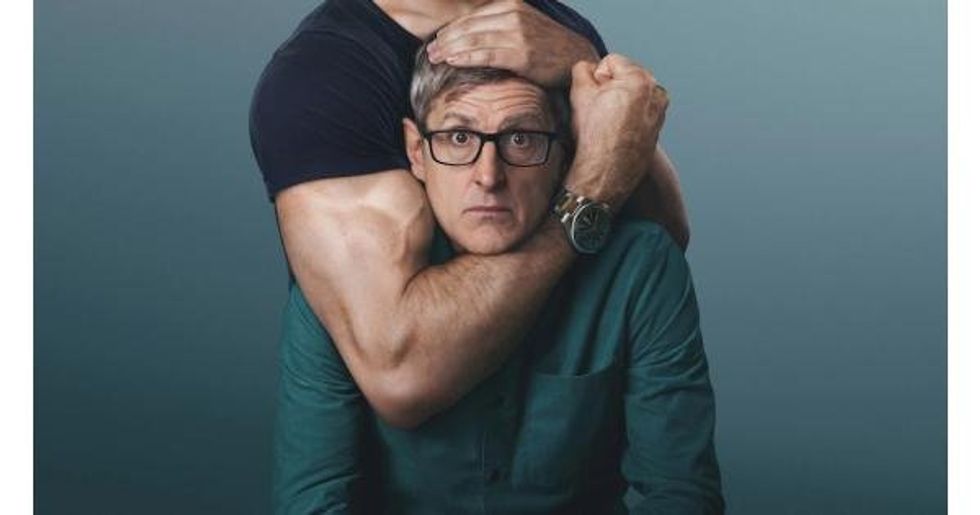
Louis Theroux: Inside The Manosphere
|NETFLIX
However, critics have argued it focuses heavily on how these figures monetise their platforms, without sufficiently interrogating the misogynistic beliefs embedded within their content or the real-world impact on women and girls.
Isabelle Younane, Head of External Affairs at Women’s Aid, said: “Louis Theroux’s Inside The Manosphere made for uncomfortable, yet absolutely essential viewing.
"While so many of the influencers in the ‘manosphere’ claim to provide young men and boys with a ‘cheat code’ to being successful, the reality is that this alleged success comes hand in hand with misogyny.”
She added while the documentary shines a light on the online ecosystem, it risks underplaying the seriousness of the attitudes being promoted.
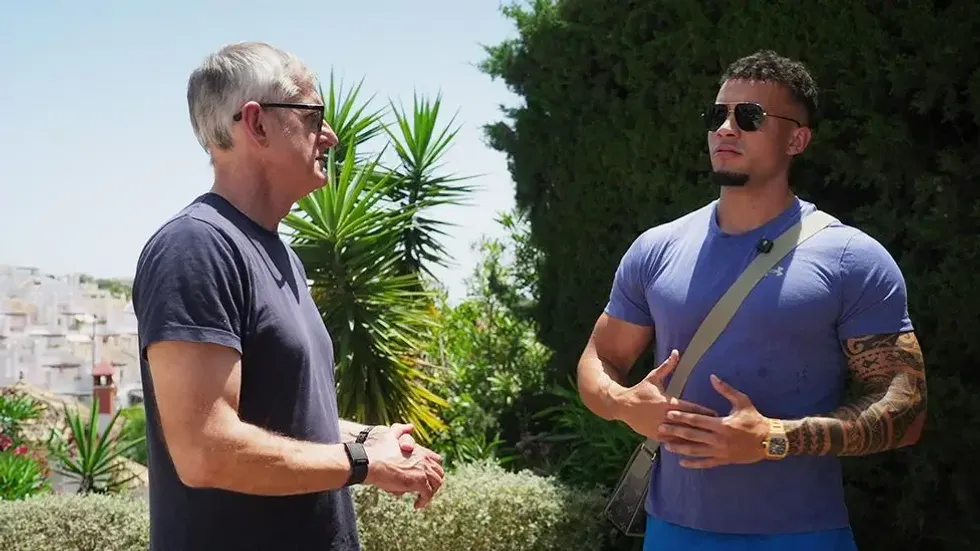
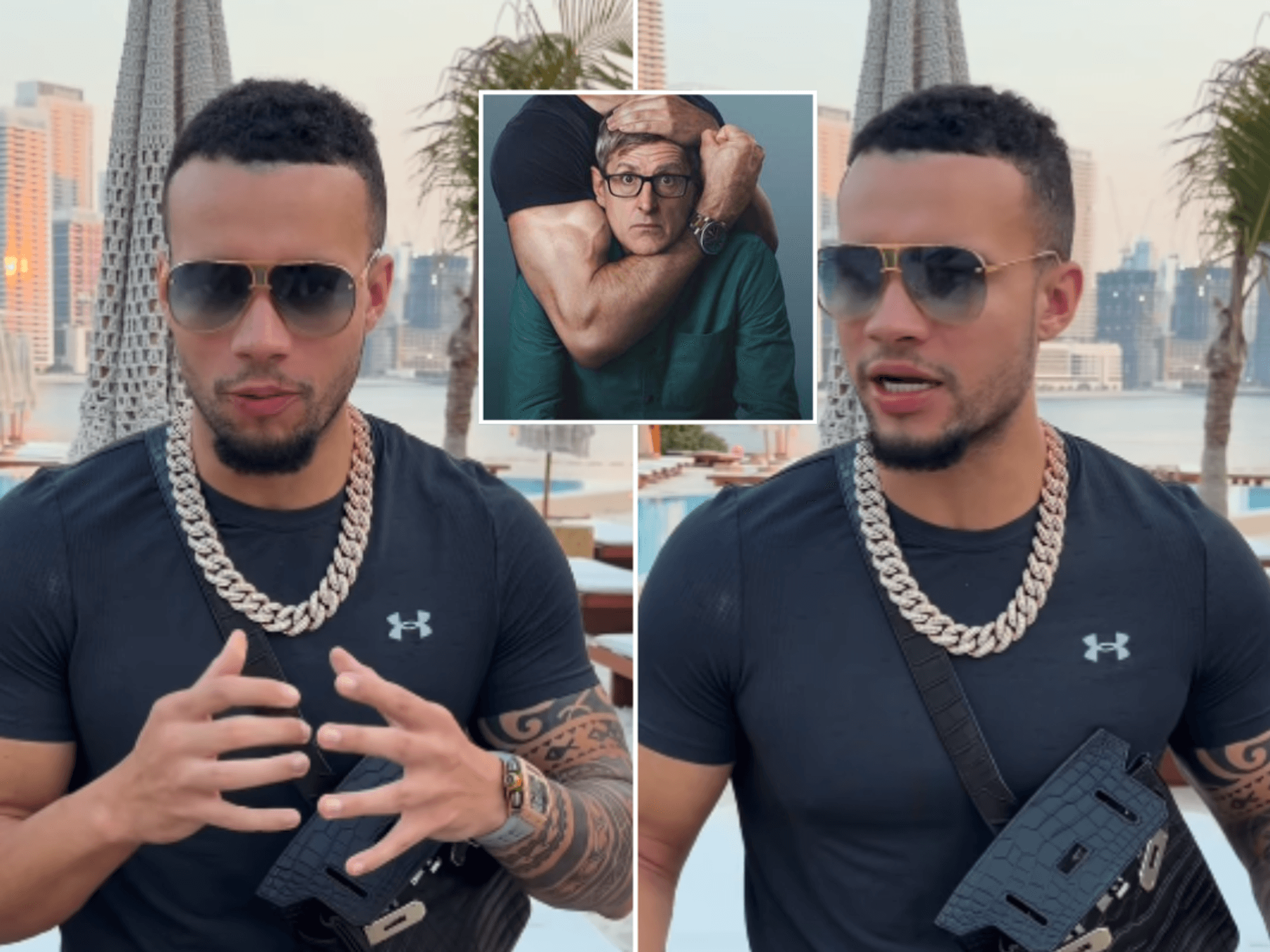
Louis Theroux and Harrison James Patrick Sullivan
|NETFLIX
Ms Younane also pointed to the rise of “trad wives” content as a concerning trend, warning it promotes submissive roles for women and reinforces outdated gender stereotypes.
She suggested such content can normalise inequality under the guise of lifestyle choice, particularly for younger audiences who may be more impressionable.
Research cited by the charity found that young people exposed to misogynistic material online are five times more likely to believe physical harm is acceptable if followed by an apology.
Women’s Aid said this highlights the urgent need to challenge harmful narratives before they become normalised in everyday relationships.
LATEST DEVELOPMENTS
The organisation stressed misogyny must be treated as entirely unacceptable, calling for relationships to be rooted in consent, equality and mutual respect.
It also urged technology companies to take greater responsibility for the content shown to young audiences, arguing stronger safeguards are needed to prevent the spread of damaging ideologies.
Alongside calls for tighter regulation, the charity emphasised the importance of education, saying young people must be equipped with a clear understanding of healthy relationships and respectful behaviour.
“Misogyny is at the core of all violence against women and girls, and it is only by eradicating these archaic and damaging beliefs that we can hope to build a society where women and children are safe,” the charity said.
Social media users have been quick to respond to the debate surrounding the documentary, sharing mixed reactions in the comments on Instagram.
"It should be shown in schools!" one viewer penned, while another admitted: "Lost sleep after watching. So scary."
Some viewers spoke about the personal impact the programme had on them.
One wrote: "The whole episode left me feeling physically unwell. How some of these ‘men’ have got the following they do absolutely baffles me."
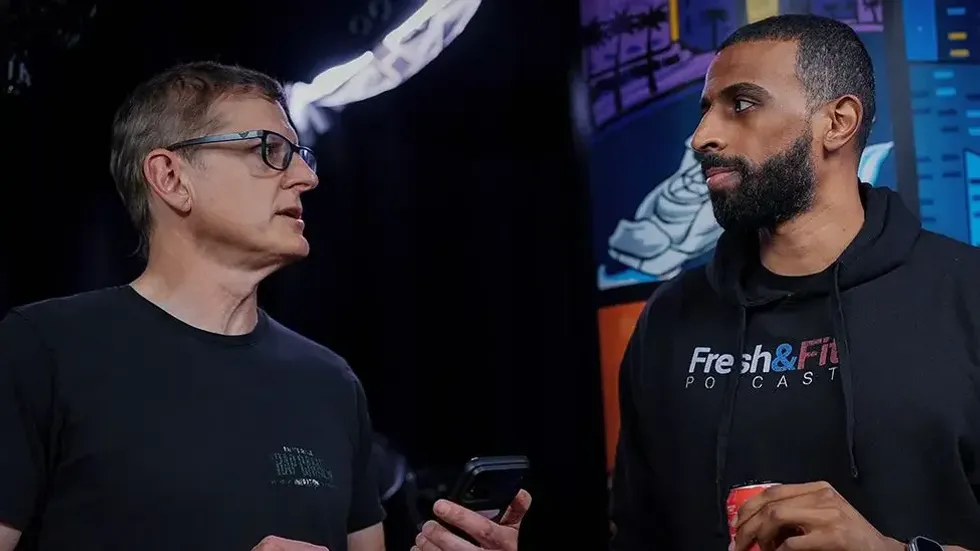
Louis Theroux with Amrou Fudl, better known as Myron Gaines
|NETFLIX
However, others were more critical of the documentary’s approach, questioning whether it went far enough in challenging its subjects.
"It is an awful documentary. More of a ‘meet the influencers’/‘who lives in a house like this’ tour. Really raised questions for me about Louis’ integrity… something felt really off," one person wrote.
Another added: "I really felt it could have done much more. It felt like it was grandstanding a bit those men, rather than diving deep into the harm they cause.
"We could have heard more from those harmed by men like this and their followers. Still a very important conversation and awareness-raising piece."
Director Adrian Choa has welcomed the varied response, saying he was pleased the film had “provoked such a strong reaction” and sparked important conversations.
Our Standards: The GB News Editorial Charter