






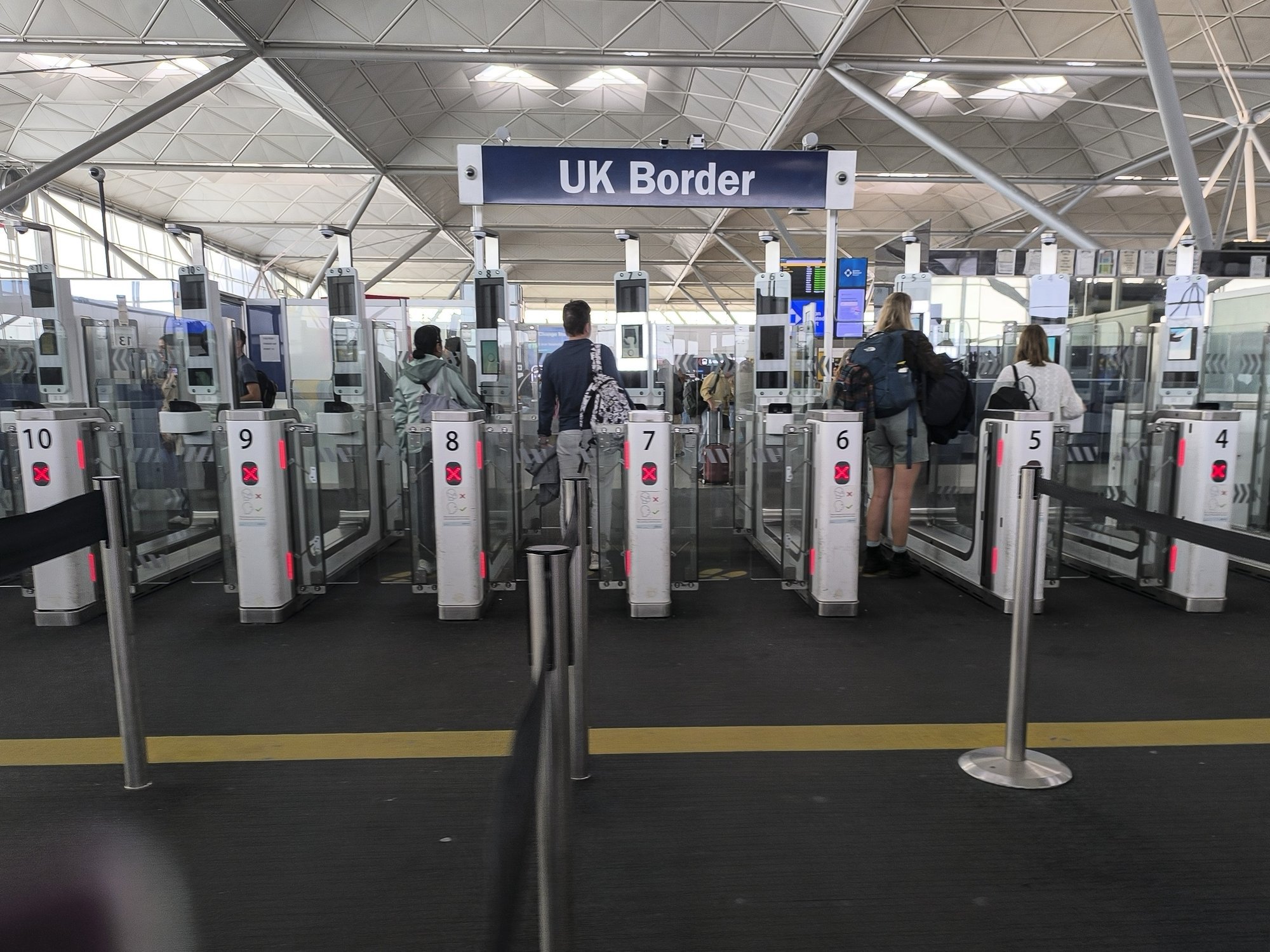


The EU's Entry/Exit System (EES) goes live on April 10, 2026 and will change the way Britons travel into Europe.
Holidaymakers' arrivals and departures will be marked electronically, rather than with passport stamps.
This digital border system has been rolling out gradually since October, but from this week it will become fully operational across 29 European countries.
This will affect travel to holiday hotspots such as France, Italy, Croatia, Spain, Malta, Portugal, Greece and more.
TRENDING
Stories
Videos
Your Say
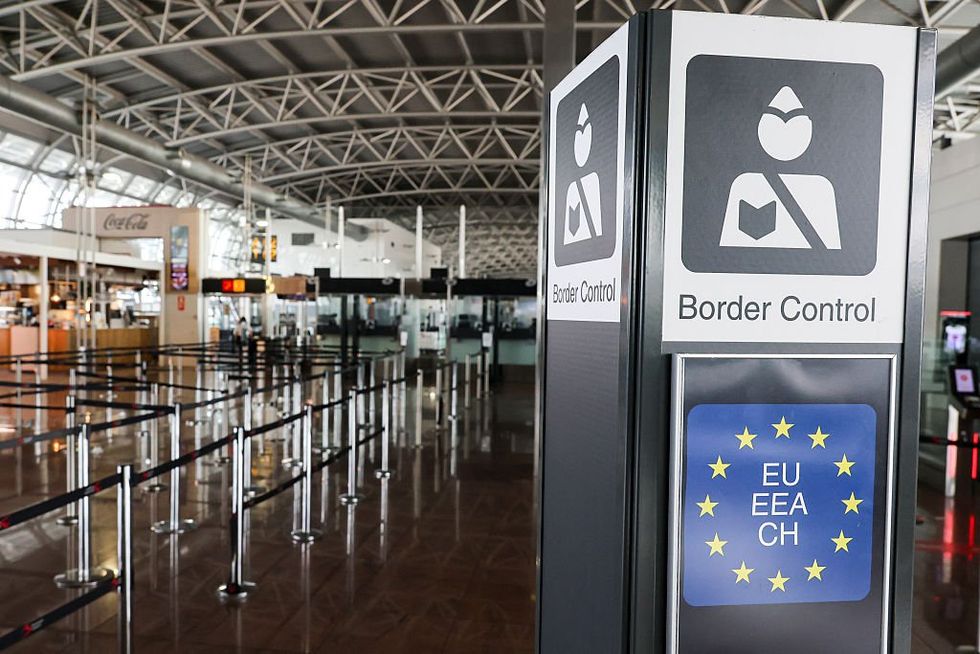
How Britons travel to EU countries will change this week
| GETTYSo what does this mean for your next trip to the continent? Instead of a quick stamp in your passport, border officials will now log your arrival and departure electronically.
When you first travel under the new system, you will need to register your biometric details at the border. That means having fingerprints scanned and a photograph taken.
Those with a biometric passport can use self-service kiosks to speed things along. Those without one can still complete the process at staffed desks.
Once you have done this initial registration, the information will stay on file for three years, meaning subsequent trips should be much quicker and more straightforward. Everyone must follow the new system and will not be allowed entry if they refuse to provide their biometric data.
LATEST TRAVEL
The system applies to anyone visiting for short stays, which is categorised as up to 90 days within any 180-day period. The new checks will apply whether you are jetting off on holiday or travelling for work.
There are some exceptions worth knowing about. Ireland and Cyprus aren't part of the scheme, so traditional passport checks continue there.
Those who already hold an EU residency permit or long-term visa are exempt too. The same goes for transport crew members and certain cross-border workers.
For everyone else heading to the Schengen zone, the EES will be part of your journey from this week onwards.
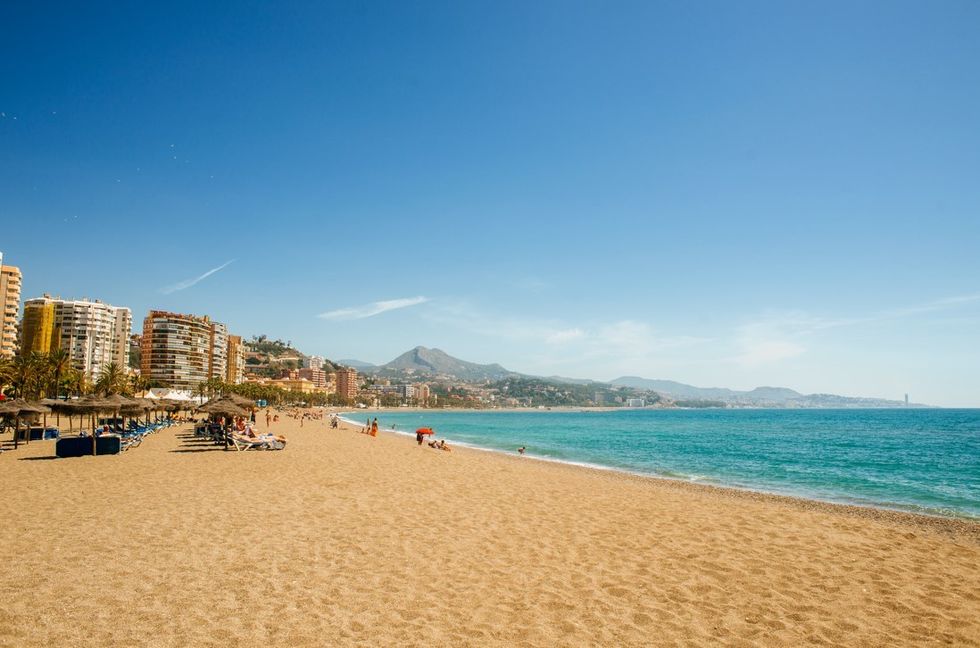
Britons going to top holiday spots, such as Spain, will be affected
|GETTY
Britons have been warned of some delays from this weekend as the system is rolled out. There may be some longer waits at airports, ports and Eurostar terminals during the first few weeks as everyone gets used to the new process.
Holidaymakers are recommended to build in extra time for their next journey, particularly if this is soon after the launch.
Children under 12 won't need to give fingerprints, though they will still have their photo taken.
The EU says the system is designed to strengthen security and reduce fraud, and once the initial adjustment period passes, crossing borders should actually become smoother and more efficient.
Our Standards: The GB News Editorial Charter