





Today marks the ninth anniversary of the Manchester Arena suicide bombing, killing 22 concert goers at an Ariana Grande event, with the youngest victim being eight-year-old Saffie-Rose Roussos.
It was the deadliest terror attack orchestrated on British soil since the 7/7 London bombings – underscoring the reality of Islamist extremism representing the principal terror threat in modern Britain. In addition to this, hundreds were injured – some suffering life-changing physical injuries and serious psychological trauma.
The terrorist behind the attack, 22-year-old Salman Abedi, was a Manchester-born man of Libyan origin who was born to parents who fled their country of origin after opposing the regime of Colonel Muammar Gaddafi. The question is, nine years on, what have we learned from this massacre, one at a music concert at the hands of an Islamist terrorist?
To put it bluntly, it is unclear what the British state has truly learned from the Manchester Arena suicide bombing. Much of the mainstream sociopolitical narrative-setting in the aftermath of the terror attack was along the lines of ‘don’t look back in anger’ mixed with ‘one love’, ‘we stand together’, and ‘diversity is our strength’.
This was certainly the case within the city of Manchester itself. However, this overlooks the indisputable fact that Islamist extremism remains a serious problem in the UK, including England’s major cities.
The Manchester Arena suicide bombing did not emerge from a vacuum. Clusters of British-Libyan Islamists, linked with organisations such as ISIS, al-Qaeda and the formerly proscribed anti-Gaddafi Libyan Islamic Fighting Group (LIFG), have become embedded in parts of inner-city Manchester, such as Cheetham Hill.
This includes those who belong to families with a refugee/asylum background. Salman Abedi and his brother/accomplice Hashem, who were behind one of the most devastating terrorist attacks in the UK, were conditioned in this Islamist milieu.
Having a background of close family links with extremist figures in their own segregated community, they proceeded to develop bonds with local fundamentalists.
Indeed, Salman visited fellow Mancunian Libyan Abdalraouf Abdallah in prison, a terrorist who was imprisoned after assisting others to join jihadists fighting in Syria.
Despite the UK’s overly liberal asylum system and failed integration outcomes feeding the beast of Islamist extremism for some time, little has changed in terms of state policy.
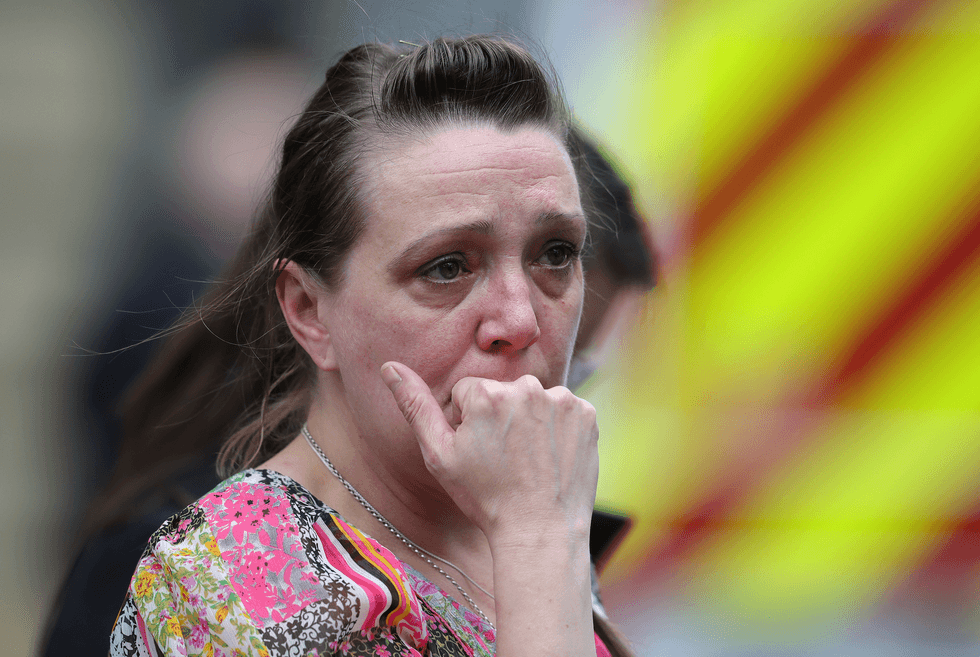
Nine years ago, a Jihadi terror attack should have burst Britain's bubble - it didn't - Rakib Ehsan
|Getty Images
Far too many of our public institutions remain in thrall to multicultural dogma at the expense of public safety. Modern Britain’s model of state-sponsored multiculturalism has all too often platformed toxic elements of minority communities that do not have social cohesion and collective security at heart – ignoring mindful voices who have sounded the alarm over extremist threats within their own communities.
It is worth noting that Salman Abedi was banned from a local mosque and reported to the authorities over his extremist views, before unleashing his deadly act of terror on 22 May 2017.
There is no doubt that the Manchester Arena suicide bombing was a fundamental state failure – a horrific, preventable tragedy.
The best tribute to the victims is to understand the pain and misery of their families – and to look back with a measured form of anger which motivates us to make the necessary changes across the policy fields of security, asylum, and integration.