








The World Anti-Doping Agency has concluded its Operation LIMS investigation into Russia's state-sponsored doping scheme, announcing that 302 sanctions have been handed down to 291 Russian athletes.
Eleven competitors received two separate penalties for distinct violations, whilst four additional cases remain pending final judgement.
WADA President Witold Banka hailed the probe as an unprecedented achievement in the fight against cheating in sport.
"Put simply, Operation LIMS is the most successful investigation in anti-doping history," Banka declared on Thursday.
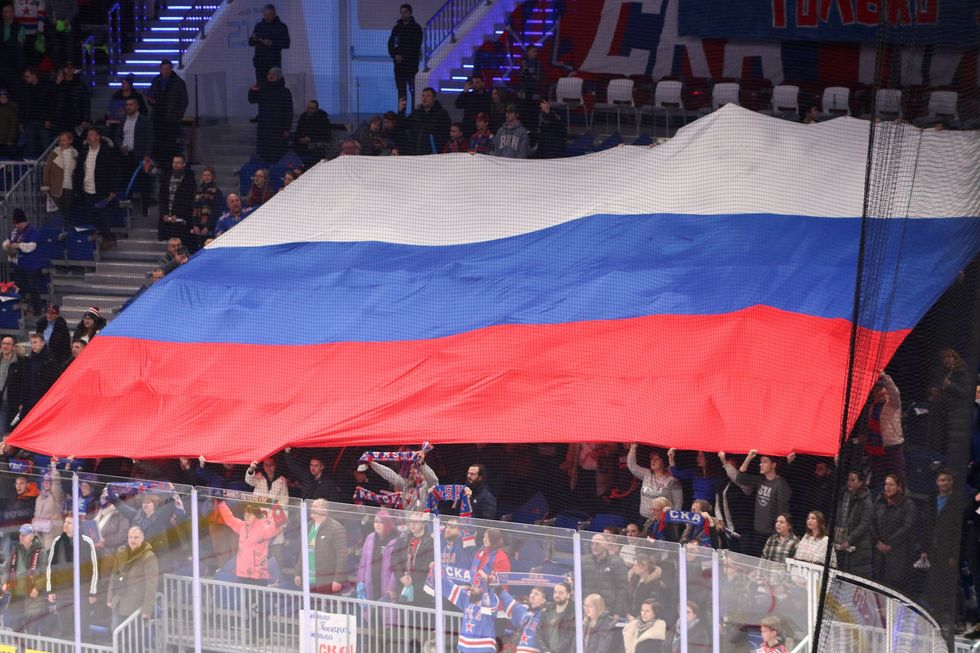
Wada have announced 291 Russian athletes have been sanctioned following Operation LIMS
|GETTY
"An incredible 302 sanctions have now been imposed in the wake of Russia's institutionalised doping scheme."
The investigation encompassed 22 different sporting disciplines, with weightlifting proving the most heavily affected at 107 cases.
Athletics followed closely behind with 93 violations recorded among Russian competitors.
Wrestling accounted for 19 cases, whilst biathlon and bobsleigh and skeleton each contributed around nine sanctions to the overall tally.
Other implicated sports ranged from aquatics and volleyball to lesser-known disciplines such as kettlebell and sambo.
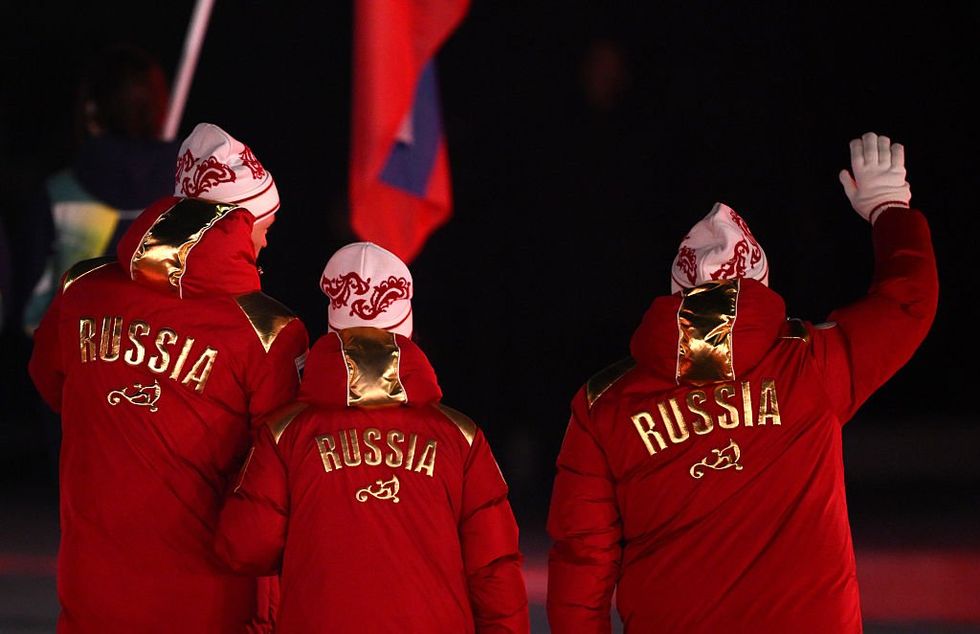 Russia had initially been excluded from the 2016 Summer Paralympics due to a state-sponsored doping scandal | GETTY
A total of 23 anti-doping bodies across the globe were responsible for imposing the sanctions, demonstrating the widespread reach of Russia's systematic cheating programme across international sport.
The investigation drew upon data and samples obtained from the Moscow Anti-Doping Laboratory's information management system, which investigators secured in 2019.
Russia's anti-doping agency RUSADA had been declared non-compliant with global anti-doping rules back in 2015, following WADA's exposure of widespread, institutionalised cheating across Russian sport.
However, WADA's executive committee took the controversial step of conditionally reinstating RUSADA in September 2018, a decision that drew fierce criticism at the time.
One detractor described the move as "the greatest treachery against clean athletes in Olympic history."
Yet this reinstatement ultimately enabled investigators to recover 24 terabytes of crucial laboratory data.
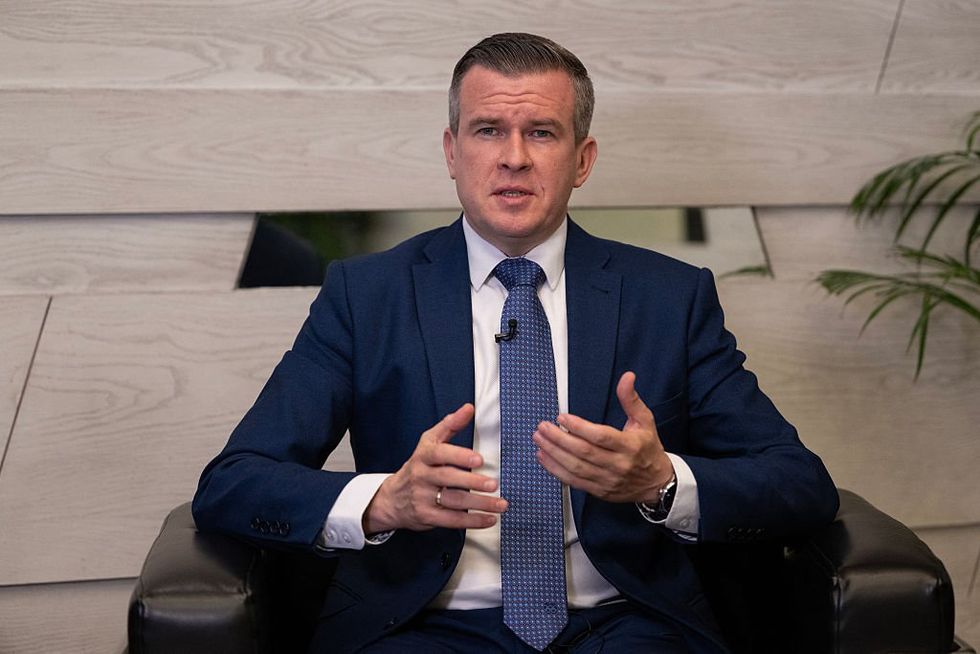
WADA President Witold Banka hailed the probe as an unprecedented achievement in the fight against cheating in sport
|GETTY
Banka robustly defended the 2018 reinstatement decision, arguing it formed a deliberate part of WADA's investigative approach.
"The decision taken in 2018 to reinstate RUSADA under strict conditions - despite opposition from a vocal minority of critics - was made precisely in order to get to the truth and formed part of a sophisticated investigative strategy," he stated.
Without this strategic move, WADA would have been unable to secure the essential evidence from the Moscow laboratory required to bring cases against the athletes involved.
During examination of the retrieved material, investigators discovered that portions of the data had been tampered with, ultimately resulting in Russia receiving a four-year ban from major sporting events in 2019.