




When it comes to major international football tournaments and supporters of British sides, something magical happens.
As the first whistle blows on a World Cup campaign, the landscape undergoes a seismic shift. High streets empty, office chatter pivots to tactical analysis, and the nation comes together as one.
But while the drama unfolds, the true theatre of the tournament isn’t found in the stadiums. Instead, it is found in the local pub.
Across the United Kingdom, the pub remains the undisputed 'hub of hospitality'. According to data from the British Beer and Pub Association (BBPA), roughly 15 million people visit a UK pub each week.
However, during a major tournament, these figures surge.
A deep run by England or Scotland can see footfall increase by over 25 per cent, with the BBPA estimating that fans consume an additional 30 million pints during the group stages alone.
The last major tournament involving the men's side, Euro 2024, brought an estimated £800million uplift to the wider UK hospitality sector. On average England matchdays, pubs pulled around 90 per cent more pints than usual, with total sales jumping by nearly 99 per cent. During the semi-final against the Netherlands, pint sales soared by 136 per cent.
The Sunday of the England vs Spain final delivered roughly £120m. These figures are huge, and speak volumes about just how popular the pub actually is.
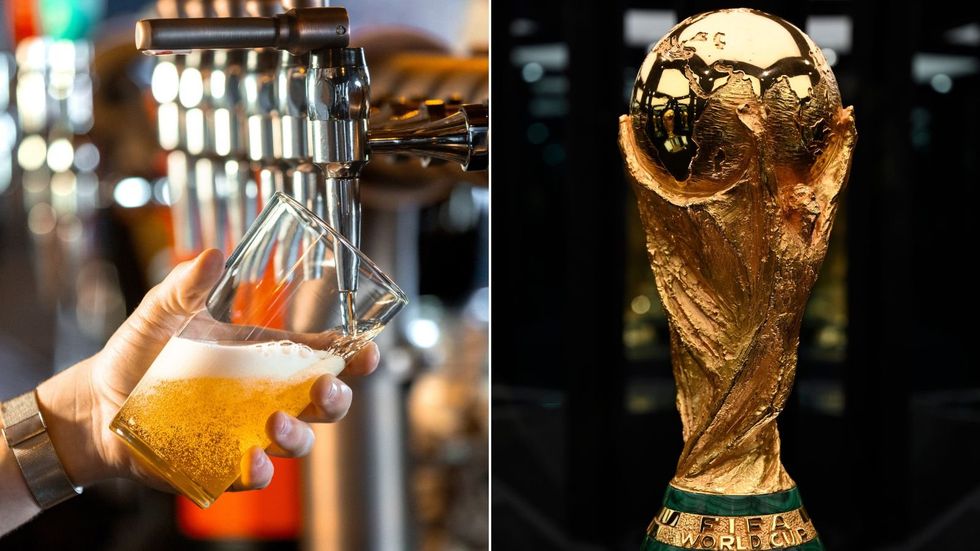
During a major football tournament, such as the World Cup, more and more supporters head to the pub
|GETTY
For those behind the bar, a World Cup is more of a military manoeuvre than a party.
"It’s a complex operation," explains Claire Holden, manager of The Drapers Arms in Stevenage.
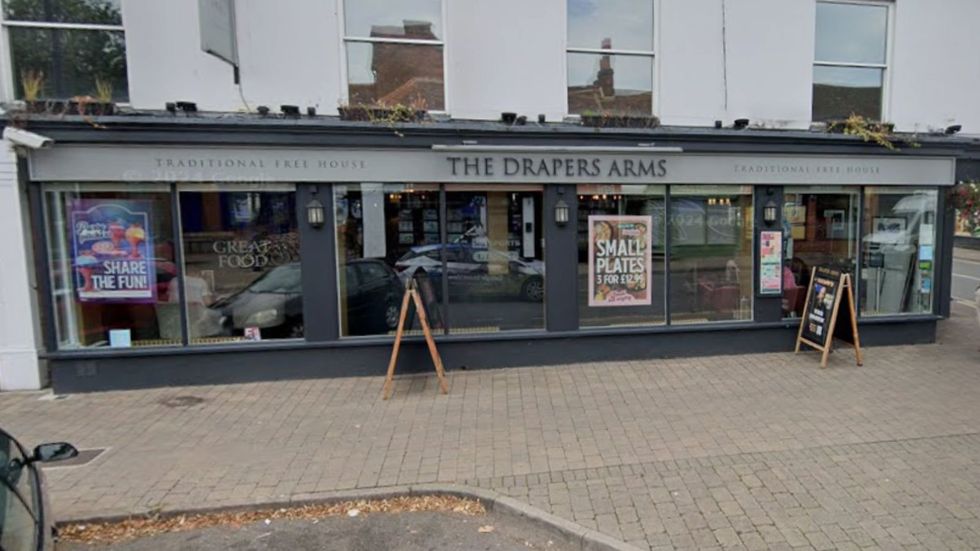
Claire Holden, manager of The Drapers Arms in Stevenage, calls the World Cup a 'complex operation
"We rearrange furniture to maximise viewing and bums on seats, increase deliveries, and ensure we have enough glassware, or plasticware, as requested by police licensing to promote safety."
The preparation begins months in advance.
Also in Stevenage, Lee Murphy of The Mulberry Tree highlights how the industry has had to adapt to a post-COVID landscape six years after being hampered by the pandemic.
"The way the country has changed their habits... people are booking tables more now," he said.
"Back in the day, people would just chance it. Now, there’s a competitive edge in marketing because you want to get the edge on your competitors."
LATEST SPORTS NEWS:
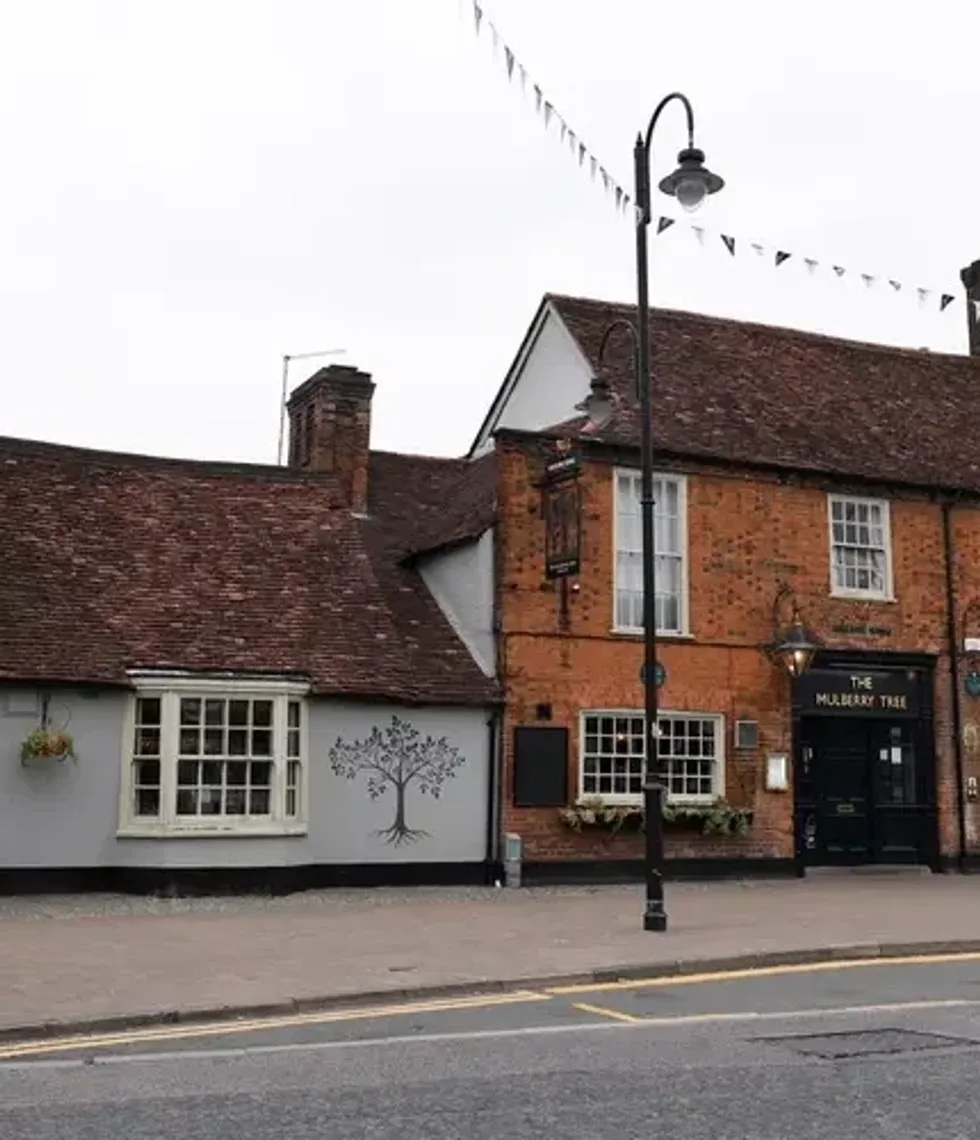
Lee Murphy of The Mulberry Tree highlights how the industry has had to adapt to a post-COVID landscape six years after being hampered by the pandemic
For Murphy, whose pub doesn't usually show Sky Sports, the World Cup is a vital commercial lifeline. Because the tournament remains on terrestrial TV, it allows non-sports pubs to 'maximise and cash in' on the national fever.
"If England are kicking off at 8pm, I know I will have to be here from probably lunchtime just to prepare," Mr Murphy added.
The physical and emotional toll on staff is significant. While the nation enjoys a Saturday night kick-off, pub workers are navigating a 'fast rate of drinking' and the heightened emotions of 90 minutes of tension.
"If the games are late in the evening, we’ll have security as well," explained head of The White Hart in Hatfield, Jemma Arnold.
The physical and emotional toll on staff is significant. While the nation enjoys a Saturday night kick-off, pub workers are navigating a 'fast rate of drinking' and the heightened emotions of 90 minutes of tension.
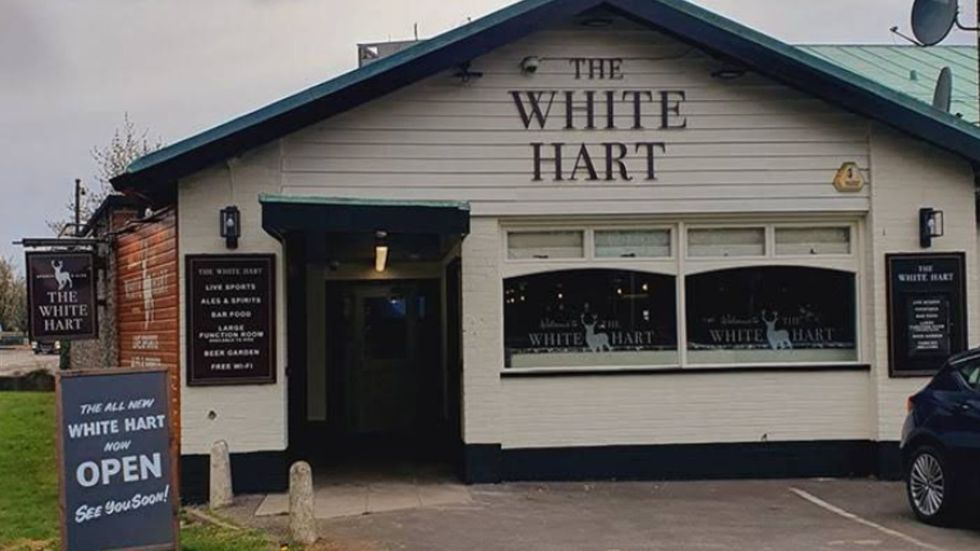
The White Hart in Hatfield has security on the door when big World Cup matches are on
Ms Arnold added: "It’s a 90-minute game with the build-up, and then if there’s a win, it could go on celebrating late."
Mr Murphy describes the "love-hate relationship" staff have with England’s success. While a deep run is "great for the trade," it tests the endurance of the team.
He admitted: "The further England goes, you kind of go, ‘Again?’ Especially when the finals fall on Sundays. You’ve already had a busy Friday and a busy Saturday, and then it’s like, ‘Right, we’ve got to go again.’"
Despite the exhaustion, there is a unique camaraderie that keeps the industry moving. Unlike other professions where employees might resent working during a national event, many pub staff want to be in the thick of it.
"My team always want to work," Ms Holden said. "They get dressed up, we do face-painting for charity, they want to be part of the atmosphere we deliver."
In an era of streaming and digital isolation, the pub serves a social purpose that transcends commerce. The 'easy access' to watching at home, coupled with the cost-of-living crisis, has threatened traditional pub numbers.
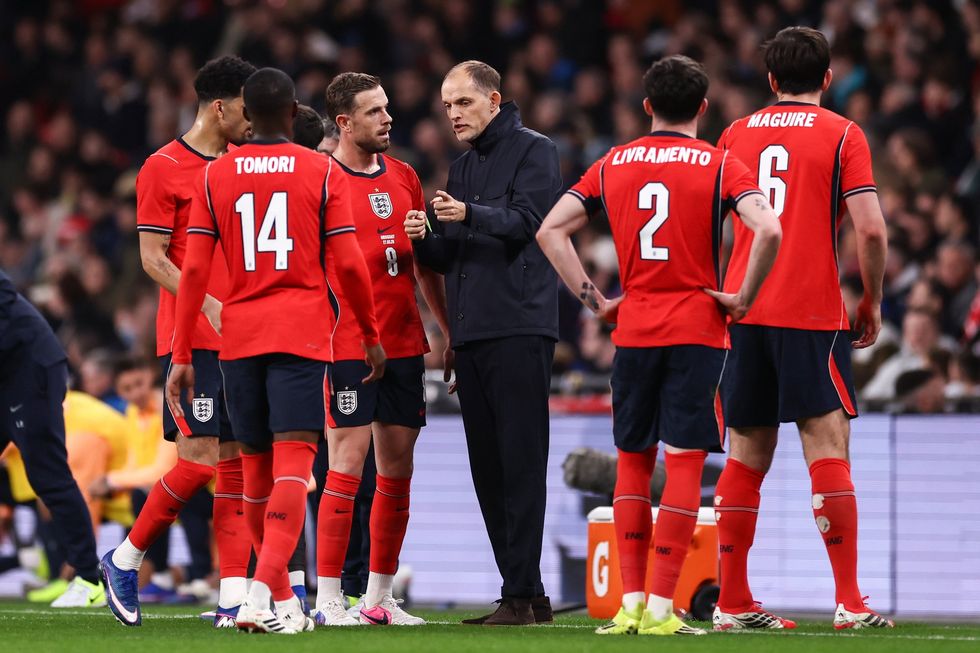 Thomas Tuchel will be looking to steer England to World Cup glory this summer | GETTY
However, the managers argue that the "human interaction" of the pub cannot be replicated by a 60-inch screen in a lonely living room.
"We need more human interaction," Ms Holden said. "To be able to stand next to someone and cheer because someone’s just scored... you can put your arm around a stranger and share that moment together.
"You aren’t going to do that sitting at home; the neighbours might think you’re a bit weird!"
Ms Arnold echoes this sentiment, noting the vital role the pub plays for those living alone: "The social aspect is so important. They don’t get the same enjoyment watching at home. We welcome all ages; it’s a good time for people to get together."
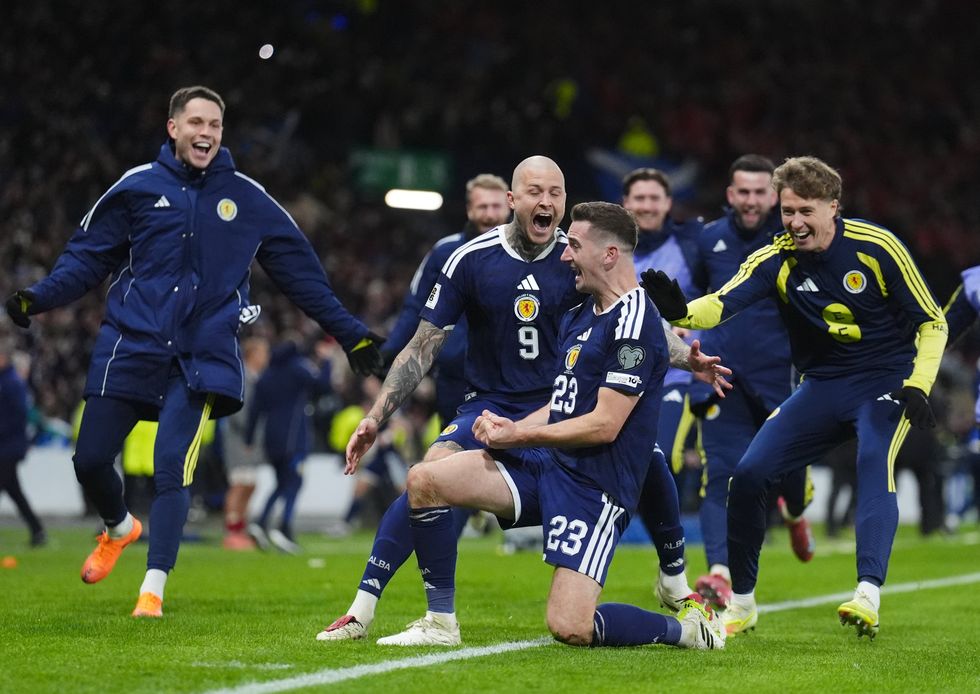
Scotland will also be involved in this summer's World Cup
| PAThe rivalry on the pitch rarely extends to the businesses behind the pumps. In towns like Stevenage, the World Cup fosters a spirit of "co-opetition."
Ms Arnold notes that local pubs often 'boost each other’s advertisements,' while Murphy describes a 'good network' where managers recognise that a thriving town centre benefits everyone. There is a sense that while healthy competition remains strong, pubs are uniting at a time when it is crucial for the industry.
Ultimately, the sacrifice of the staff - the long hours, the constant cleaning, the management of rowdy crowds, and the meticulous planning - is fuelled by the desire to provide a core British experience. Even more so with England and Scotland both involved this time around.
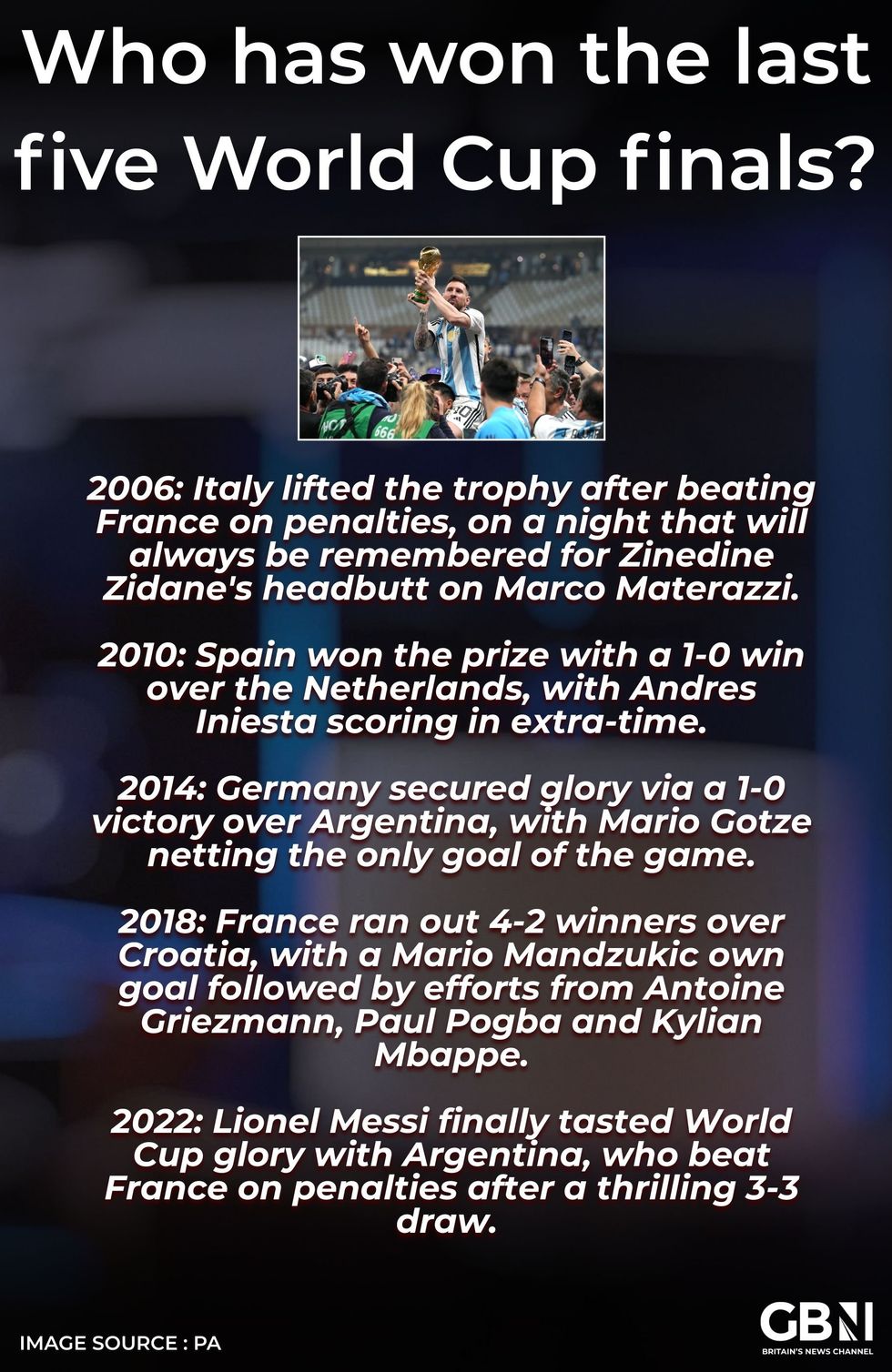 Who has won the last five World Cup finals? | PA
"The pubs are just the hub of hospitality," Mr Murphy insisted.
"What is better than getting together and enjoying something with other people?
"There’s nothing more British than going to the pub and watching the match."