










Arsenal’s pursuit of Premier League glory has hit a strange, highly debated stumbling block in the court of public opinion: their corner kicks.
Under the guidance of set-piece coach Nicolas Jover, Mikel Arteta's side have turned dead-ball situations into a devastatingly effective, heavily orchestrated weapon. But it’s not exactly pretty, and the footballing world has taken notice.
Pundits, fans, and rival managers have accused Arsenal of turning corners into a rugby scrum.
The strategy heavily relies on the "dark arts", specifically using players like Ben White to legally (or illegally, depending on who you ask) grapple, screen, and block the opposition goalkeeper to pin them to their own goal line.
TRENDING
Stories
Videos
Your Say
Furthermore, critics point to the agonising amount of time taken to set up these routines, which severely disrupts the flow of the game.
Former player Chris Sutton recently claimed Arsenal could be the "ugliest" Premier League champions, while Liverpool's Arne Slot admitted the constant grappling makes games a tough watch.
Arteta, however, remains completely unapologetic, firing back that he is only "upset" his team doesn't score more from them, insisting it is just a necessary adaptation to win in the modern Premier League.
Here is a look at five other highly controversial tactics that have rattled the footballing world over the years.
1) Rory Delap’s long throws
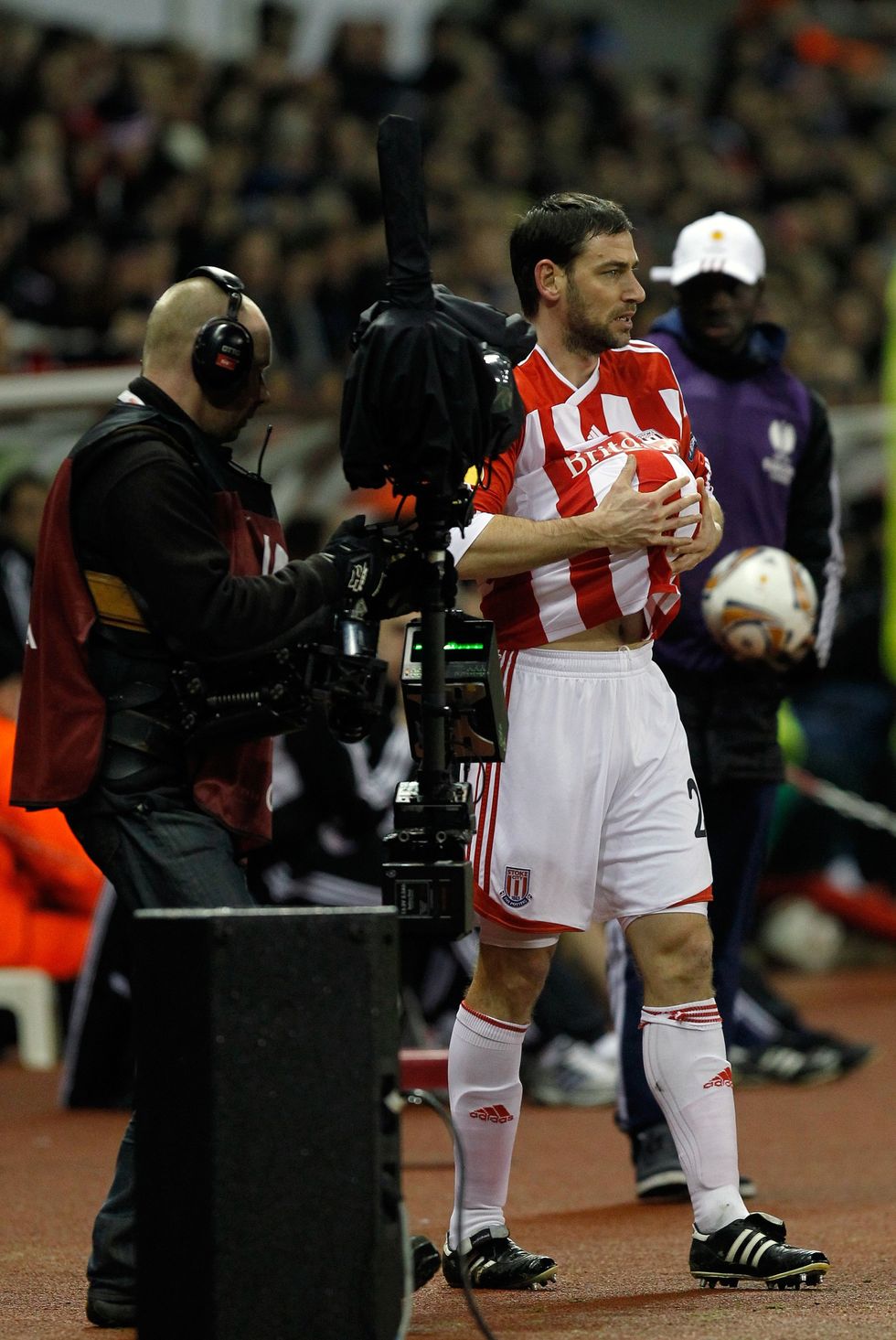
Rory Delap's long throw-ins caused chaos during Stoke's time in the Premier League
|GETTY
When Tony Pulis managed Stoke City in the late 2000s, he weaponised the throw-in, turning a mundane restart into a terrifying aerial bombardment.
The strategy entirely revolved around midfielder Rory Delap, a former schoolboy javelin champion, who would meticulously dry the ball with a towel before launching flat, devastating missiles directly into the six-yard box.
Elite managers, notably Arsène Wenger, were infuriated by this physical, rugby-esque tactic, claiming it completely bypassed playing actual football.
Despite the immense criticism and snobbery from top clubs, Stoke’s unapologetic route-one approach neutralised technically superior teams and successfully kept them secure in the demanding Premier League.
LATEST SPORTS NEWS:
2) Catenaccio
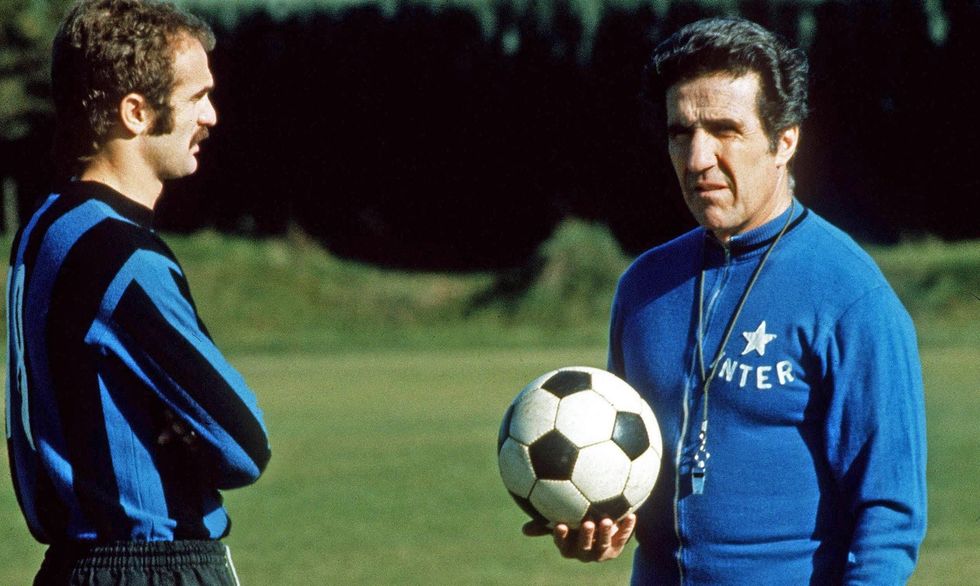
Originating in Switzerland but perfected by Helenio Herrera’s Inter Milan in the 1960s, Catenaccio (meaning "door-bolt") is the undisputed grandfather of defensive anti-football
|GETTY
Originating in Switzerland but perfected by Helenio Herrera’s Inter Milan in the 1960s, Catenaccio (meaning "door-bolt") is the undisputed grandfather of defensive anti-football.
The controversial system relied on a hyper-defensive, strict man-marking structure reinforced by a deep-lying sweeper, or libero, who cleaned up any balls slipping through the backline.
Once Herrera’s teams scored a single goal, they would retreat entirely, effectively suffocating the life out of the match.
Football purists absolutely despised its cynical, joyless approach, viewing it as a betrayal of attacking flair. Yet, it was ruthlessly successful, winning European Cups and forever defining pragmatic Italian defensive football.
3) 'Parking the bus'
Coined during José Mourinho’s first stint at Chelsea and later mastered at Inter Milan, "parking the bus" became the ultimate pejorative for a team playing with zero attacking intent.
The controversial tactic involves placing all eleven players behind the ball in a deep, rigid, and compact low block, challenging the opposition to find a way through the impenetrable wall.
While heavily criticised by managers like Pep Guardiola for being anti-football and ruining the spectacle for neutral fans, Mourinho wore the criticism as a badge of honour.
It was a masterclass in psychological warfare, resulting in multiple major European football trophies.
4) The tactical foul
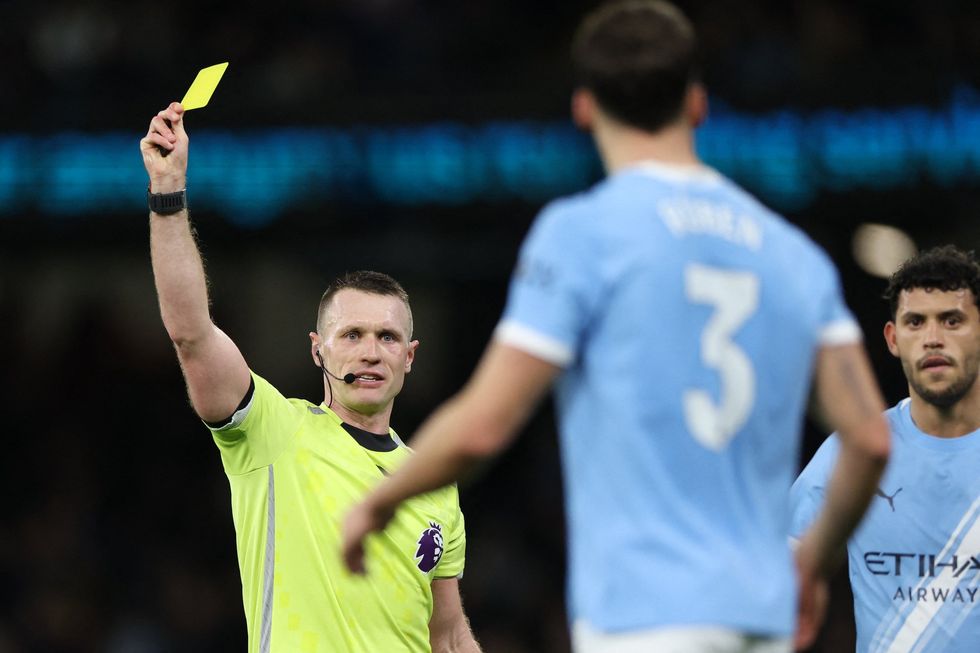
Tactical fouls have become common in the Premier League
|GETTY
Modern, high-possession teams, most notably Pep Guardiola’s Manchester City, have been heavily criticised for their systemic use of the "tactical foul."
Because these teams push their defensive lines incredibly high up the pitch, they are extremely vulnerable to fast counter-attacks.
To prevent this, players are instructed to commit cynical, small fouls in the opposition's half the exact moment possession is lost.
By pulling a shirt or tripping a runner early, they stop the transition before it becomes dangerous. Critics argue it is a dark art that ruins attacking flow and unfairly exploits lenient refereeing, as these infractions rarely result in yellow cards.
5) George Graham's offside trap
Long before VAR drew arbitrary offside lines, Arsenal’s legendary back four under George Graham utilised a synchronised offside trap that infuriated opponents and fans alike.
Led by captain Tony Adams, the entire defensive line would abruptly step forward in unison the exact moment the opposing team played a forward pass, catching attackers offside.
They would famously raise their arms together to aggressively appeal to the linesman.
While incredibly effective and foundational to winning multiple titles in the late 1980s and early 1990s, the tactic was heavily condemned for creating a disjointed, highly frustrating spectacle that repeatedly stopped the game's momentum.