










Formula 1's leading figures are gathering today to deliberate on modifications to power-unit regulations amid mounting criticism from drivers about this season's new rules.
Mercedes team principal Toto Wolff has signalled that any adjustments will be carefully considered rather than drastic.
"It's how can we improve the product, make it out-and-out racing, and look at what can improve in terms of safety, but act with a scalpel and not with a baseball bat," Wolff stated on Monday.
The meeting brings together team bosses, the FIA, and F1's commercial rights holders following just three races under the new regulations.
TRENDING
Stories
Videos
Your Say
Wolff expressed cautious optimism about reaching an agreement, noting: "I think we are coming to good solutions that we are going to ratify hopefully today, in order to evolve."
Red Bull's Max Verstappen has been particularly vocal in his discontent, revealing at the Japanese Grand Prix that he was contemplating his future in the sport due to frustration with the current machinery.
The four-time world champion's concerns focus on the extensive energy management demands imposed by the new power units, which split output almost equally between combustion and electrical systems.
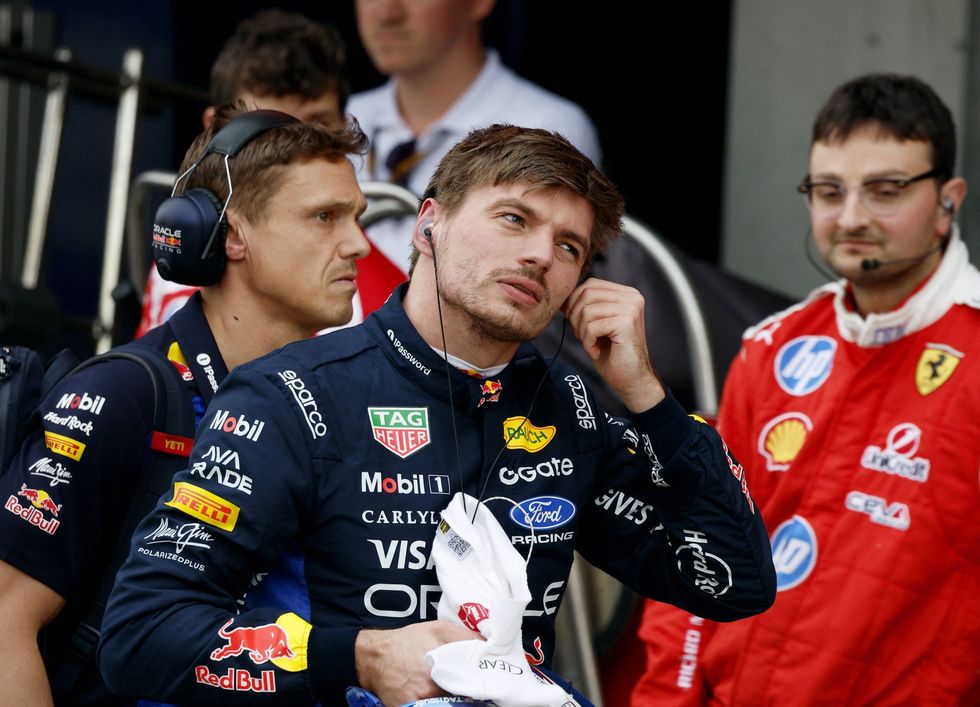
Max Verstappen has been furious with the new regulations
| REUTERSQualifying sessions have been transformed, with drivers no longer pushing flat-out throughout their laps as battery recharging requirements force them to lift off the throttle.
Mercedes driver George Russell outlined the paddock's primary grievances last week, stating that drivers "had two headline points - flat-out qualifying, so no lift and coast, and then reducing the closing speeds".
The new overtaking and boost modes have created substantial speed variations between competitors.
LATEST SPORTS NEWS:
 F1 facts fans might not know | GETTY/GBNEWS
Technical modifications anticipated before the Miami Grand Prix on 1-3 May include eliminating a restriction on battery recharging during full-throttle driving.
Currently, teams face a 250kW cap on energy recovery while accelerating, compared to the 350kW maximum permitted when drivers brake or ease off the accelerator.
This constraint compels competitors to employ "lift and coast" techniques, where they release the throttle early and allow momentum to carry them towards corners.
Stakeholders are also keen to tackle the dangerous speed differentials that emerge when one car deploys maximum electrical power while another has depleted its battery reserves.
The gap between these two states approaches 500 brake horsepower, creating closing speeds that contributed to Haas driver Oliver Bearman's high-speed crash during the Japanese race weekend.
Wolff characterised Bearman's incident as a misjudgement rather than a fundamental flaw in the regulations.
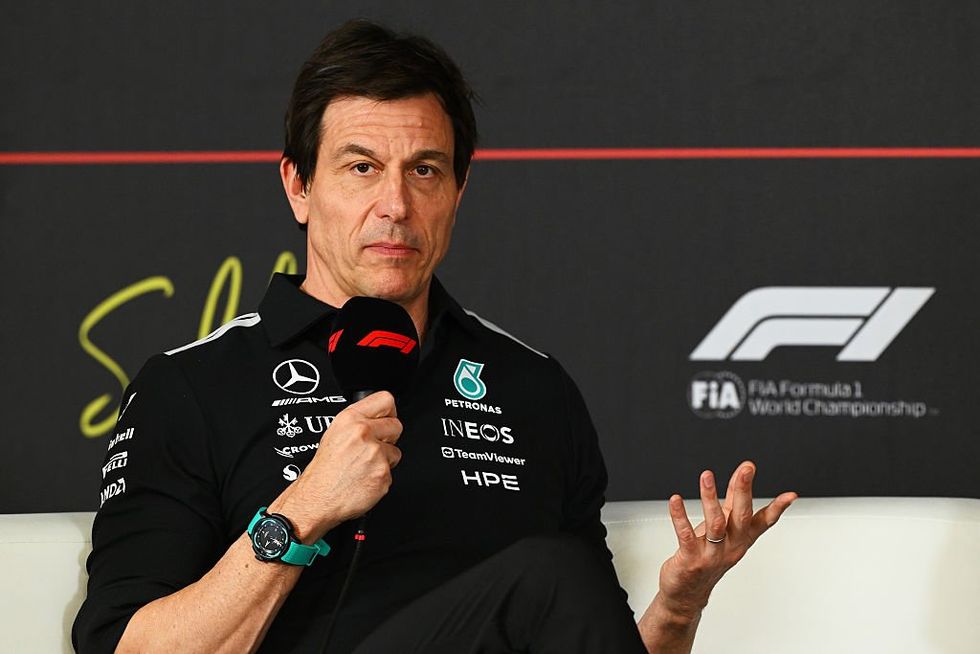
Mercedes team principal Toto Wolff insists driver safety must remain paramount
| GETTY"We need to see the Bearman accident for what it was. It was a misjudgment of a situation. It's like pushing the boost button and not braking on a kink where you're supposed to brake," he explained.
The Mercedes boss acknowledged that driver safety must remain paramount whilst accepting the sport's inherent dangers.
"Will it be always the safest sport? It won't," Wolff conceded, emphasising the importance of understanding how the new systems affect car behaviour and mitigating risks in challenging conditions.
"We are guardians of this sport. We have responsibility for this sport."