









The FIA has moved to outlaw a contentious engine technique that Mercedes and Red Bull had been deploying during qualifying sessions, with the prohibition coming into force before the Miami Grand Prix on 3 May.
Ferrari lodged a formal request for regulatory clarification, raising particular objections about safety implications stemming from the practice.
The Italian manufacturer's intervention followed concerning incidents at recent races where vehicles utilising the method experienced significant power loss.
Both Mercedes High Performance Powertrains and Red Bull Powertrains had identified what sources describe as a "clever" approach to extract additional electrical energy during the closing moments of timed laps.
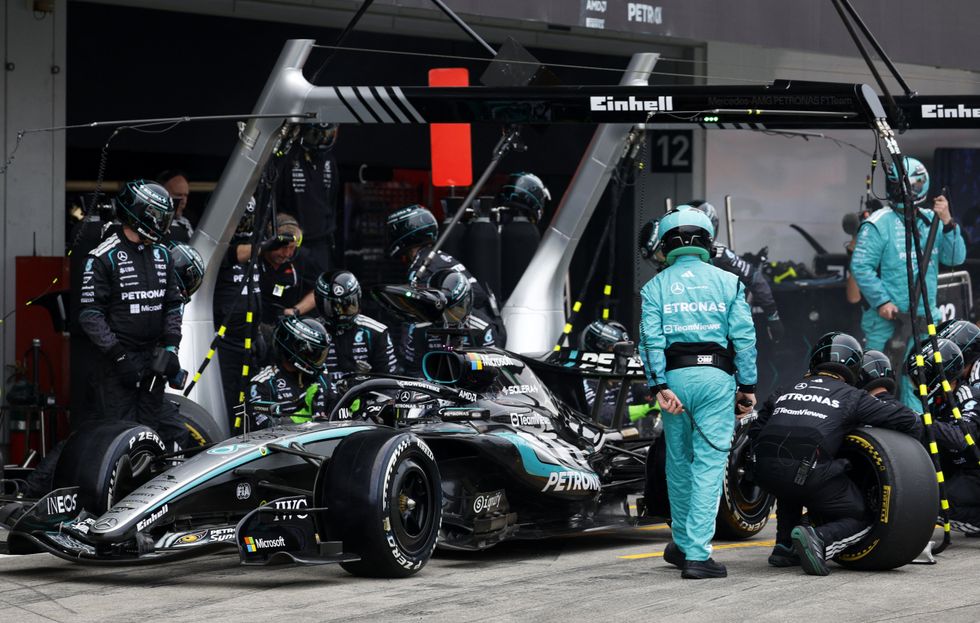
Mercedes had been using a 'clever trick' to extract additional electrical energy during the closing moments of timed laps
|REUTERS
Under current regulations, teams must gradually reduce power deployment as the battery depletes, preventing sudden deceleration that could prove hazardous at high speeds.
Mercedes and Red Bull circumvented this requirement by triggering an emergency override designed to shut down the MGU-K motor generator unit.
This manoeuvre allowed drivers to discharge all remaining electrical energy simultaneously rather than following the mandated 50kW-per-second reduction rate.
The result was an immediate power surge of between 50 and 100kW as cars approached the timing line.
Whilst the advantage translated to mere hundredths of a second, such margins frequently determine grid positions in a sport where pole is often settled by thousandths.

New F1 rules mean the likes of George Russell cannot use the manoeuvre anymore
|REUTERS
The technique's drawbacks became starkly apparent at Suzuka, where Alex Albon's Mercedes-powered Williams ground to a complete halt during practice following a qualifying simulation run.
Several other drivers, including Kimi Antonelli and Max Verstappen, found their cars crawling along at dramatically reduced speeds after deploying the method.
The emergency shutdown triggers a 60-second lockout period during which the MGU-K remains inoperable, rendering it impractical during races but inconsequential on cooldown laps.
Following the Japanese Grand Prix, the FIA cautioned manufacturers that such side-effects posed genuine hazards, though initially confirming the practice fell within existing regulations.
Ferrari subsequently sought formal clarification regarding the safety risks involved.
The governing body has now distributed revised technical guidelines to all manufacturers, stating unequivocally that the MGU-K shutdown function may only be activated during genuine emergencies.
Officials will scrutinise telemetry data from practice and qualifying sessions to identify any teams attempting to circumvent the new directive.
The 60-second lockout mechanism remains in place, meaning any squad triggering the override without demonstrable mechanical failure will be readily detected and face penalties.
GPblog reports that Mercedes had already ceased employing the technique following the Japanese race, recognising the marginal gains were outweighed by reliability concerns.
Ferrari, currently second in the constructors' standings behind the dominant Silver Arrows, will view the intervention as a modest victory.