









English Heritage has revealed a million-pound reconstruction of an ancient dwelling at Stonehenge, giving the public their first glimpse of the imposing seven-metre structure.
The Kusuma Neolithic Hall recreates a prehistoric building dating back 4,500 years, drawing on archaeological findings from a site located just two miles from the famous stone circle.
The replica represents a large structure whose original purpose remains uncertain, though archaeological discoveries point to its significance during the Neolithic period.
Work on the ambitious reconstruction has now reached its final stages, with the facility set to welcome visitors during the summer months.
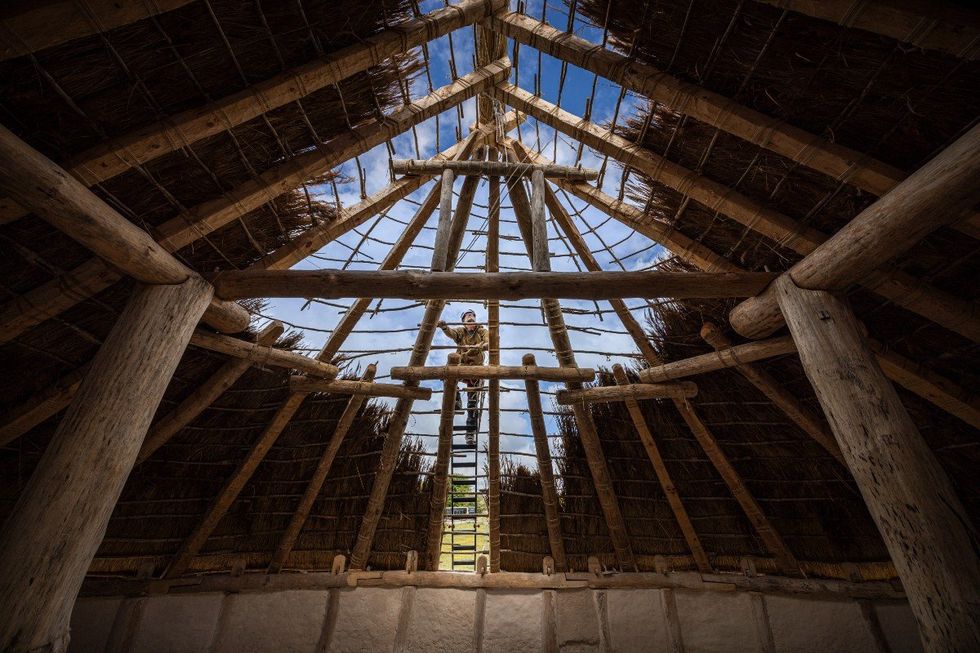
A team of volunteers from English Heritage constructed the hall, employing traditional techniques true to the period and materials gathered from the local area.
The approach has allowed the charity to gain deeper insights into the daily existence of Neolithic communities who inhabited the region surrounding the ancient monument.
The Kusuma Trust provided funding for the project, which carries a price tag of £1million.
The build process involved volunteers working with methods that would have been familiar to the structure's original builders thousands of years ago.
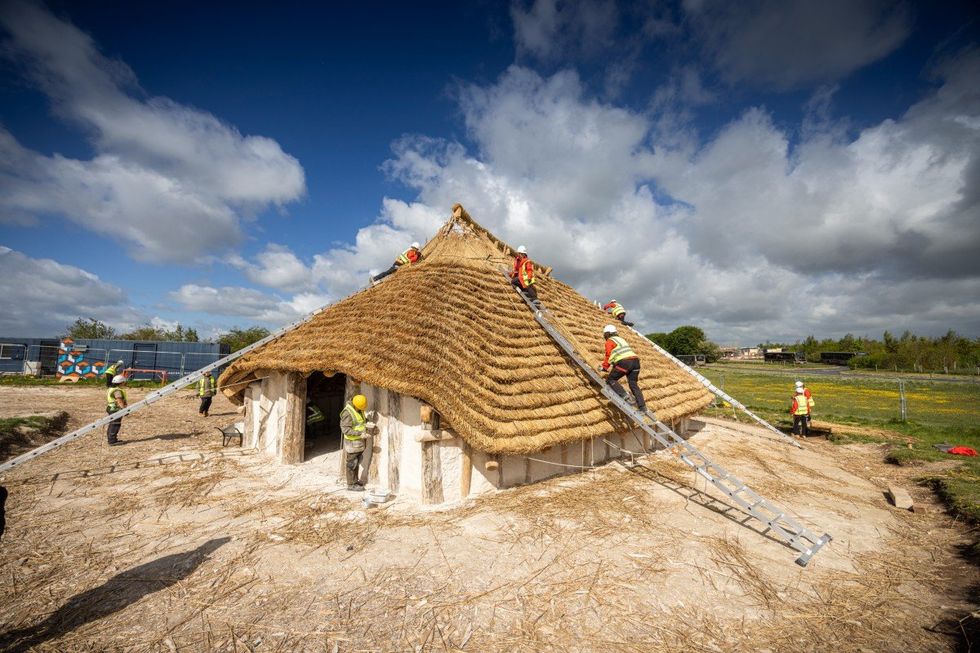
An army of volunteers assisted in the construction of the Kusuma Neolithic Hall near Stonehenge in Wiltshire
|PA
Once the summer opening period concludes, the hall will transition into its role as an educational facility.
From autumn onwards, school groups will use the space to explore how people lived during the Neolithic era.
The original structure upon which the reconstruction is based was unearthed close to Durrington Walls, a prehistoric settlement in the vicinity of the monument.
Archaeologists uncovered thousands of animal bones alongside substantial amounts of Grooved ware pottery during excavations at the site.
LATEST DEVELOPMENTS:
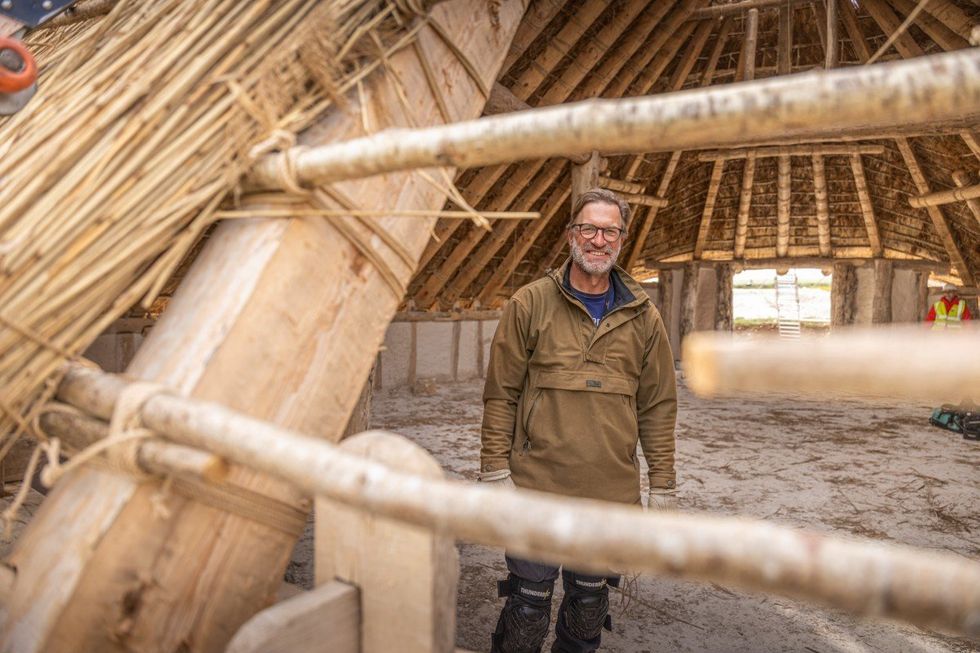
Luke Winter oversaw the construction of the Neolithic Hall
|PA
These discoveries provide compelling evidence that large-scale winter feasts took place in the area.
The findings suggest the building may have served as a venue for major social gatherings and festivities, though its exact function remains a matter of speculation.
Researchers believe the structure could have hosted celebrations, religious ceremonies or possibly even burial rites.
The wealth of archaeological material indicates the site held considerable importance for Neolithic communities who gathered there millennia ago.
The seven-metre high Kusuma Neolithic Hall is based on archaeological evidence of a large prehistoric structure that was discovered two miles away from the stone circle
|PA
Matt Thompson from English Heritage described the significance of the development for the organisation's educational mission.
"The Kusuma Neolithic Hall is such an exciting project for the charity, and we are hugely grateful to the Kusuma Trust for the generous donation that made it possible," he said.
"As a charity, one of our main purposes is to provide everyone with memorable learning experiences and the Kusuma Neolithic Hall will transform our ability to do that."
The hall will feature authentic elements, including a burning hearth alongside demonstrations of Neolithic crafts and cookery.
Mr Thompson noted the space serves as "a model for living history instantaneously transporting you back 4,500 years".
During the summer period, visitors will have opportunities to meet the volunteers responsible for constructing the building.