







A researcher has finally cracked the code of two ancient Dead Sea Scroll fragments that baffled scholars for more than 70 years.
Emmanuel Oliveiro from the University of Groningen in the Netherlands deciphered the "Cryptic B" manuscripts in just two months.
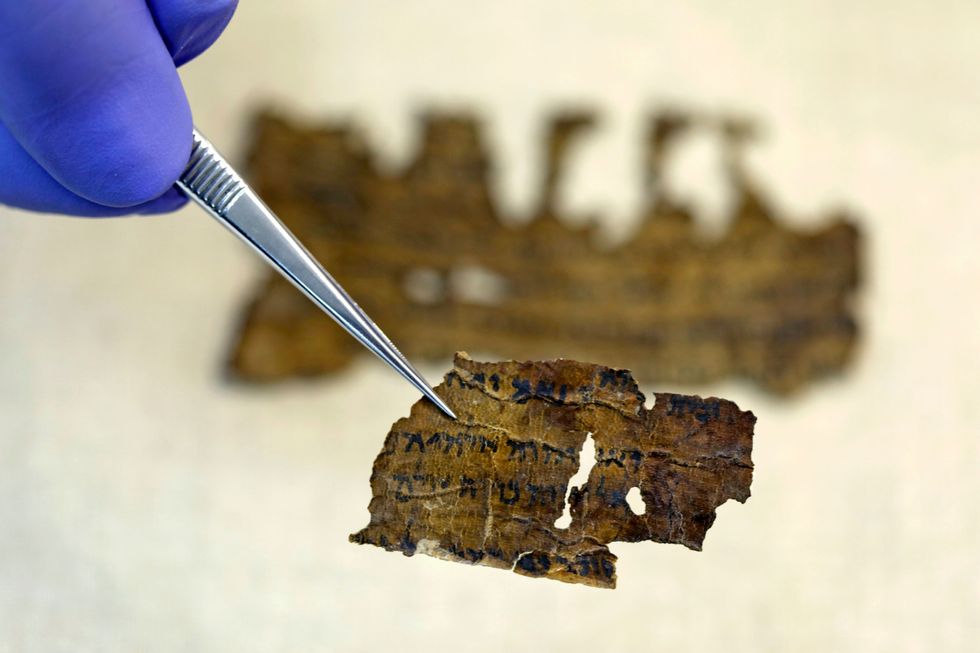
The heavily damaged fragments, labelled 4Q362 and 4Q363, were long considered impossible to read due to their unfamiliar alphabet.
Mr Oliveiro discovered the cryptic letters matched consistently with Hebrew characters.
"I told my friends and wife that I am going to try this and they're like, you could be stuck here for 40 years and never crack the code," he said.
"And what do you hope to find anyway, a secret falafel recipe? But once I saw it - I think it was quite fast."
The decoded text revealed ominous religious messages linked to the end of days.
Divine judgement, the arrival of the Messiah and the fate of Israel featured prominently in the fragments.
The decoded text revealed ominous religious messages linked to the end of days (file photo)
| GETTYMr Oliveiro identified several names and phrases, including references to Yisrael, Judah, Jacob and Elohim.
Fragment 21 mentions Elohim and glory, whilst fragment 18 speaks of "the tents of Jacob".
These themes echo passages from Jeremiah and Malachi in the Hebrew Bible.
The Jeremiah passage promises Israel's restoration following judgement, symbolising hope and renewal.
Malachi warns against adultery and stresses loyalty to the Hebrew community.
BIBLICAL BREAKTHROUGHS - READ MORE:
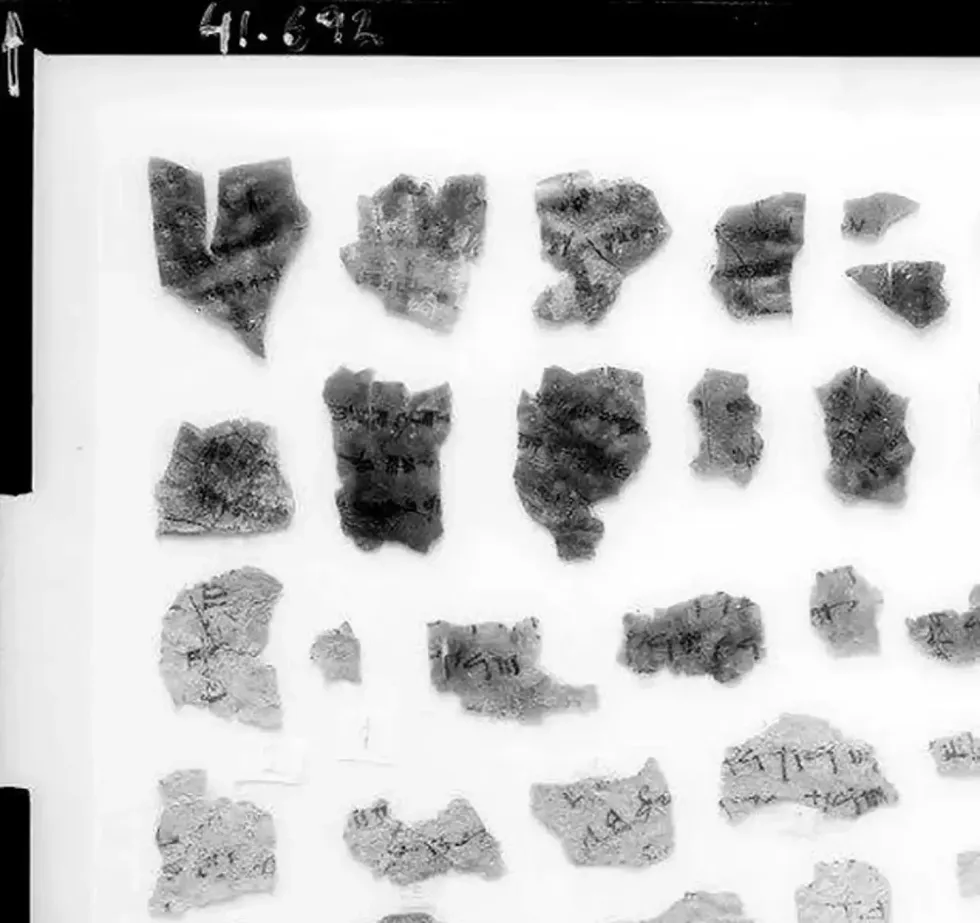
Emmanuel Oliveiro from the University of Groningen in the Netherlands deciphered the "Cryptic B" manuscripts (pictured) in just two months
|ISRAEL ANTIQUITIES AUTHORITY
A mysterious grave appears in two fragments, though no biblical match has been found.
The scrolls were created by the Qumran, a Jewish sect living near the Dead Sea more than two thousand years ago.
This community was known for preserving religious texts and documenting Jewish beliefs, rituals and prophetic traditions.
Mr Oliveiro believes the unusual alphabet may have been intended for a select audience.
"If you could read it, you had access to these manuscripts and were probably of a certain class or ranking within this pious community," he said.
The cipher used mono-substitution, where each symbol corresponds to a Hebrew letter.
"Mono-substitution is very powerful but the weakness of single substitution is that a language has patterns, so if you find the pattern, you can crack the substitution code - which is what I did here," Mr Oliveiro explained.
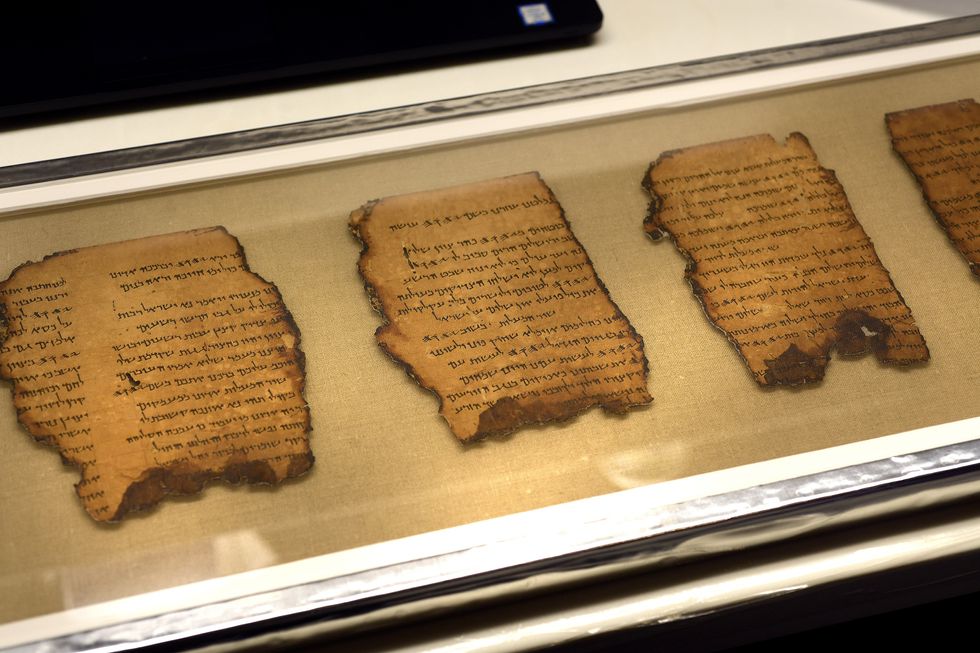
The Dead Sea Scrolls were discovered in 11 caves near the West Bank between 1947 and 1956
| GETTYThe Dead Sea Scrolls were discovered in 11 caves near the West Bank between 1947 and 1956 and represent some of the oldest surviving biblical manuscripts in existence.
The texts were written on parchment, papyrus and copper in Hebrew, Aramaic and occasionally Greek.
Cryptic A was successfully translated in 1955, but Cryptic B remained a mystery until now.
The surviving Cryptic B fragments are tiny and fragile, with some measuring just millimetres across.
The leather has cracked, darkened and frayed over centuries.