










A remarkable archaeological find has revealed what experts believe to be the world's oldest bottle of wine, unearthed from an ancient Roman burial site in the Spanish town of Carmona.
The vessel, approximately 2,000 years old, came to light six years ago during excavations of the tomb.
Scientific analysis confirmed the liquid inside was a sherry-style wine originating from the 4th century, placing it among the most ancient examples ever identified.
The discovery proved even more extraordinary when researchers examined the urn's full contents, finding it held not only the ancient beverage but also human cremated remains.
TRENDING
Stories
Videos
Your Say
José Rafael Ruiz Arrebola, an organic chemist at the University of Córdoba who led the analysis of the wine, said: "There was an even greater surprise when the archaeologists opened the urn and saw that it was full of liquid."
The urn yielded several additional artefacts alongside the bones of a male individual.
"The urn also contained the cremated bones of a man and a gold ring decorated with a two-headed Janus," Ruiz Arrebola explained.
"It was put in afterwards and the dead man wasn't wearing it when he was cremated.
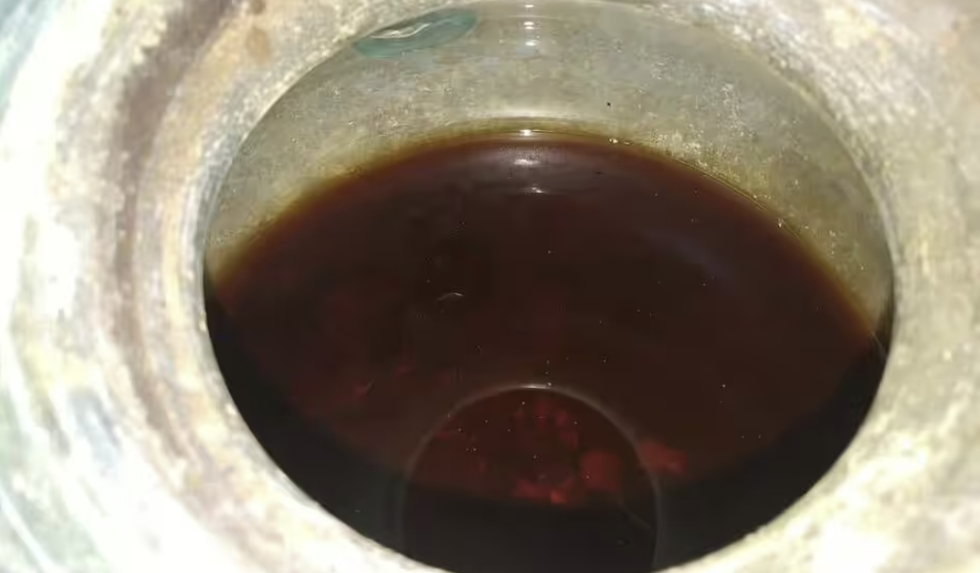
The old wine dates back 2,000 years
|JUAN MANUEL ROMAN
He added: "There was also what could be the metal feet of the bed on which the body was cremated."
The tomb itself emerged unexpectedly in 2019 when a local family discovered the sunken burial chamber whilst carrying out work on their property.
Inside, archaeologists found eight separate niches for burials, with six containing funerary urns crafted from various materials, including limestone, sandstone, and a combination of glass and lead.
Each vessel held the cremated bones of a single person.
LATEST DEVELOPMENTS
Two of the urns bore inscriptions identifying the deceased as Hispanae and Senicio.
A separate urn belonging to a woman contained three amber jewels, a perfume bottle carrying a patchouli fragrance, and remnants of silk material.
The items placed within the tomb reflected Roman spiritual beliefs about death and the journey that followed. Romans held that the deceased would require such objects as they passed into the afterlife.
Funeral rites in ancient Rome followed a structured five-stage process encompassing a procession, the cremation and burial itself, a eulogy, a ceremonial feast, and finally a period of commemoration.
These rituals held profound significance for the living as well as the dead.
Romans believed that correctly observing each stage of the funeral ceremonies was essential to prevent vengeful spirits from emerging from the realm below.
The discovery was revealed around the same time that a study concluded giant stone monuments that were older than Stonehenge were built by an ancient water cult.
Known locally as vishaps, which translates as "dragon stones", these monuments date back nearly a millennium before England's Stonehenge megalithic structure was constructed.
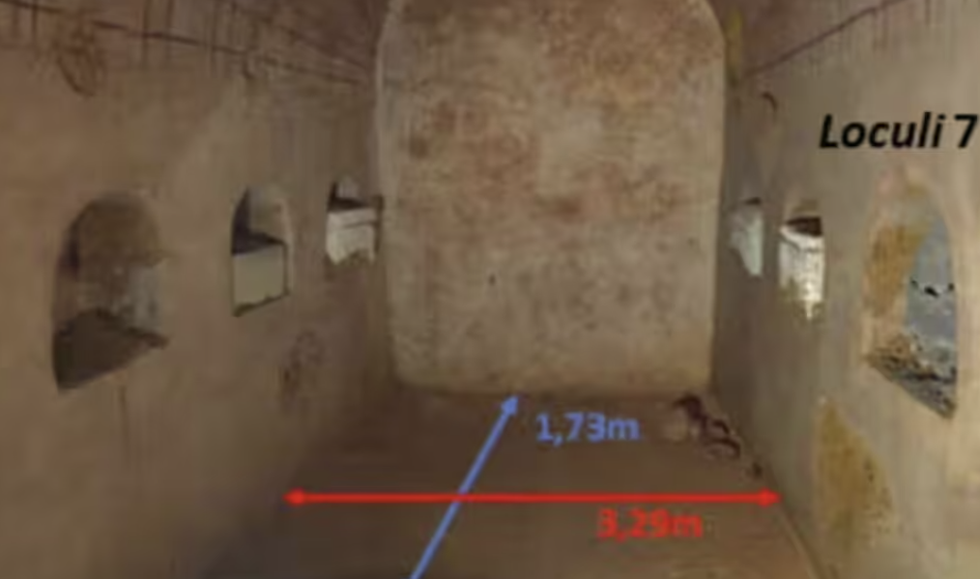
The tomb contained eight burial niches
|JUAN MANUEL ROMAN
The animal-shaped monoliths can be found throughout Armenia's mountainous terrain and surrounding nations.
Archaeologists conducting the first comprehensive examination of these structures have determined their creators held water as a central element of their religious beliefs and practices.
The findings appear in a study published in the journal NPJ Heritage Science.
The stone pillars range in height from 1.1 metres to 5.5 metres and were fashioned from locally available materials including basalt and andesite rock.
They stand at various points across the highlands between elevations of 1,000 metres and 3,000 metres above sea level.