










A fragment of jawbone unearthed from the depths of Somerset's Cheddar Gorge has overturned understanding of when dogs first became humanity's closest companions.
Genetic testing of the 15,000-year-old specimen from Gough’s Cave revealed it belonged to one of the earliest domesticated canines ever identified.
The find demonstrated humans and dogs lived side by side in Ice Age Britain millennia before any other animals were tamed or cats entered households.
"It shows that by 15,000 years ago, dogs and humans already had an incredibly tight, close relationship, and this tiny jawbone, which seems like such a small thing, has helped to unlock the whole human story of how that partnership began," Dr William Marsh of the Natural History Museum said.
TRENDING
Stories
Videos
Your Say
Previously, it was thought that dog domestication began approximately 10,000 years ago -- 5,000 years later than has now been proved to be the case.
Dr Marsh stumbled upon the breakthrough by chance whilst working on his doctoral research.
The jawbone had been recovered during excavations at the cave back in the 1920s and subsequently stored away in a museum drawer for decades, dismissed as an unremarkable specimen.
After encountering an obscure academic paper from ten years prior suggesting the bone might be canine rather than lupine, Marsh performed genetic testing that yielded astonishing results.

Dogs were domesticated by ancient humans 5,000 years earlier than thought, a new study has found
|GETTY
His collaborator Dr Lachie Scarsbrook, from the University of Oxford and LMU Munich, recalled his initial scepticism: "William tells me: 'I found a dog from the early stone age,' and I'm like, 'No, you haven't, every other dog has been a wolf,' but he's super confident of it."
Upon confirming the Gough's Cave specimen as genuinely canine, researchers used its genetic signature to identify similar ancient dogs from sites across western Europe and central Anatolia that had previously defied classification.
Further chemical analysis of the remains revealed something equally remarkable about the intimacy of early human-canine relationships.
Dr Selina Brace, of the Natural History Museum, explained dietary evidence showed these ancient dogs consumed the same meals as their human companions.
LATEST ARCHAEOLOGY NEWS:
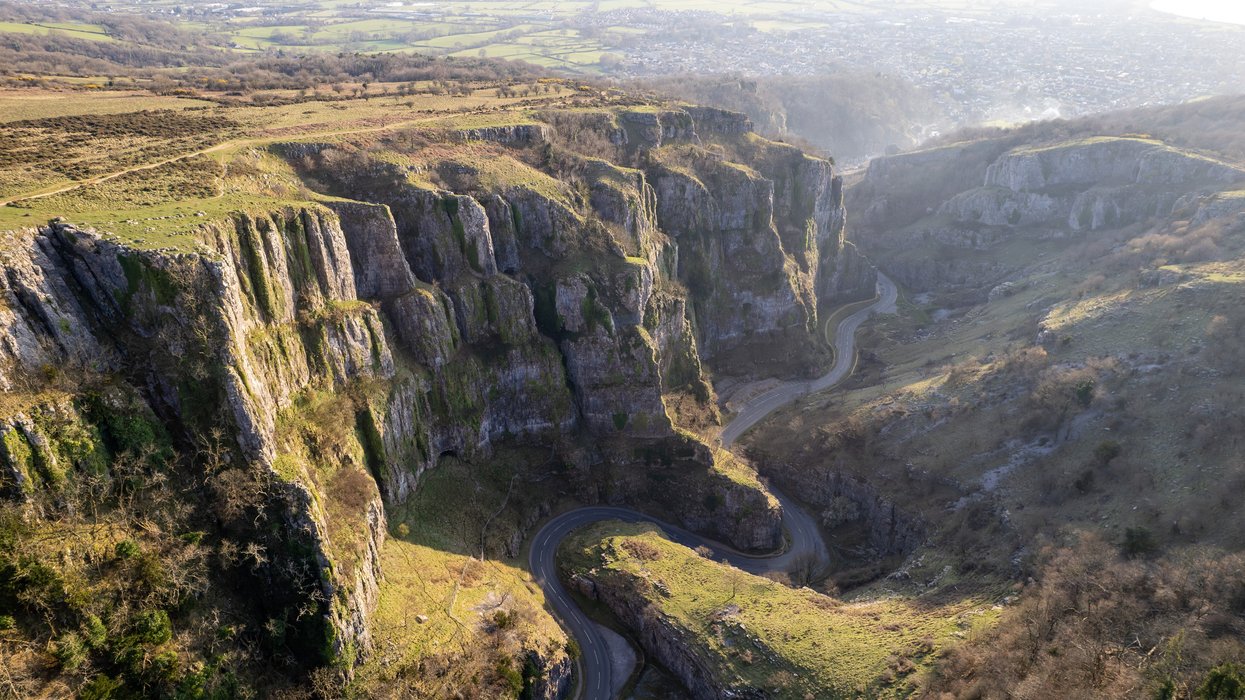
The incredible finding was made by analysing a jawbone from Somerset's Cheddar Gorge
|GETTY
"We know from their diet that they either shared fish in Turkey or the same meat and plant diet in Gough's Cave. So what this would suggest is an incredibly close relationship between humans and dogs," she said.
"And isn't that amazing? 15,000 years ago, we see that level of companionship that we still see today. That's a really long relationship."
The research, published in the journal Nature, demonstrates that these early domesticated dogs had already dispersed across much of western Europe and Asia by the end of the Ice Age.
A companion study in the same journal by Dr Anders Bergström of the University of East Anglia and the Francis Crick Institute analysed DNA from more than 200 ancient dog and wolf remains from sites spanning Switzerland to Armenia.
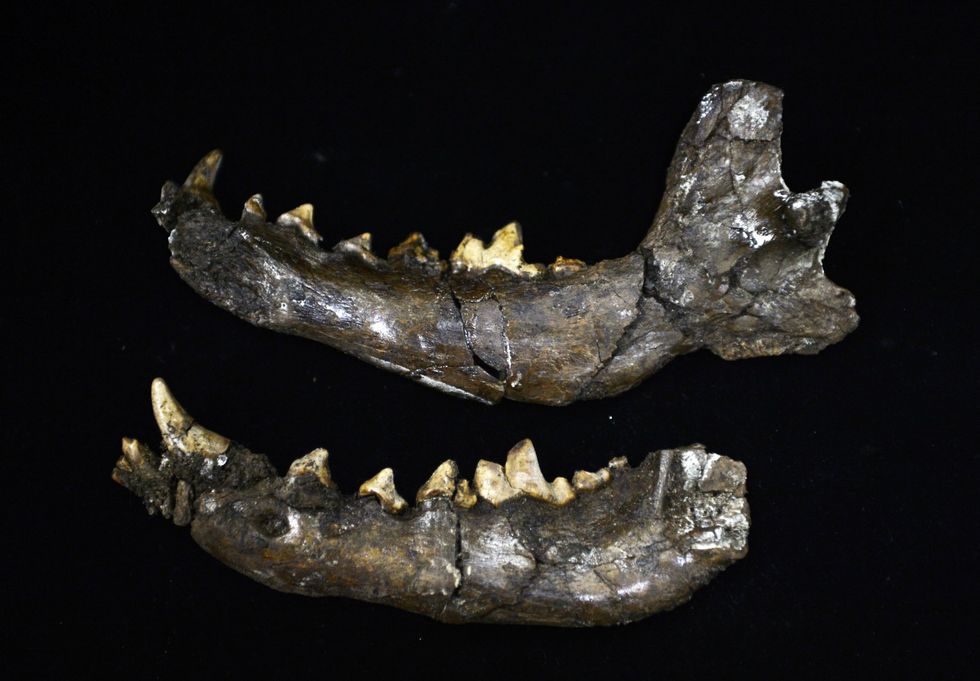
'It shows that by 15,000 years ago, dogs and humans already had an incredibly tight, close relationship'
|GETTY
His team discovered that modern dogs descend from ancestors that had spread throughout the northern world by the close of the glacial period.
"Wherever dogs were first domesticated, they had already reached Europe by at least 14,000 years ago and they go on to contribute quite substantially to the dogs we see today," Dr Bergström said.
Ciara Farrell, head of culture and heritage at the Royal Kennel Club, reflected on the findings.
"As a dog lover, I think every dog lover knows that feeling where your dog is almost speaking to you. And that is a relationship that's developed over many, many years and it's unique to dogs and humans."
Our Standards: The GB News Editorial Charter