








Archaeologists may have discovered the largest ancient Roman cemetery in Britain beneath an A-road in Cumbria.
Excavation work along a 21-mile stretch of the A66 near Penrith has revealed more than 300 ancient Roman graves.
Archaeologists began digging in 2025 ahead of planned road widening between Penrith and Scotch Corner.
And their recent findings provide valuable insight into burial traditions from approximately 2,700 years ago.
Though academics had long recognised the area's connections to ancient Rome, no comprehensive excavation had been possible until now.
Dr Lauren McIntyre from Oxford Cotswold Archaeology told the BBC that as many as 340 graves had already been identified below the A66.
She said the below-the-ground evidence points to both cremation and traditional burials taking place at the cemetery.
And in a tantalising hint, Dr McIntyre added that the excavated area likely represents only a small slice of the full site.
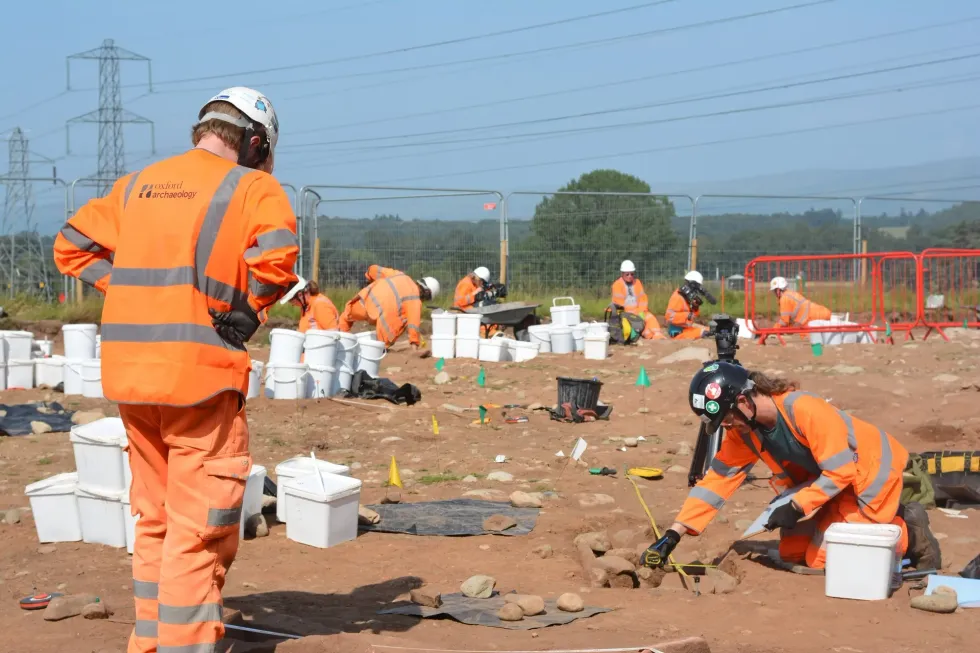
Dr Lauren McIntyre revealed that as many as 340 graves had already been identified below the A66
|COTSWOLD ARCHAEOLOGY
She indicated that the cemetery could extend well beyond what has been uncovered so far.
The dig has revealed significant details about how Romans in this region honoured their dead.
Several artefacts have been unearthed alongside the graves, including ceramic pots and a small Cupid figurine.
BREAKTHROUGHS BENEATH BRITISH SOIL - READ MORE:
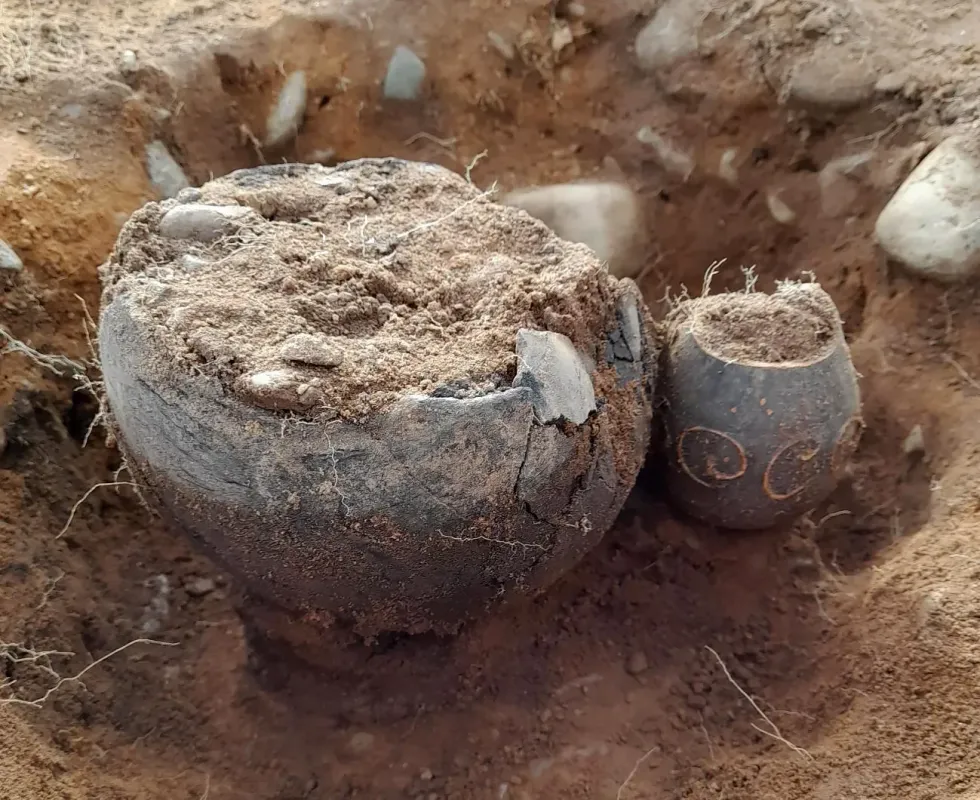
Several artefacts have been unearthed alongside the graves, including ceramic pots and a small figurine of Cupid
|COTSWOLD ARCHAEOLOGY
The figurine was most likely interred together with cremated remains.
This cemetery is distinct from another Roman burial site discovered on the A66 at Kirkby Thore near Appleby in 2018.
Dr McIntyre confirmed that a Roman fort and settlement have also been identified in the surrounding area.
The combination of military infrastructure and burial grounds paints a fuller picture of Roman occupation in Cumbria.
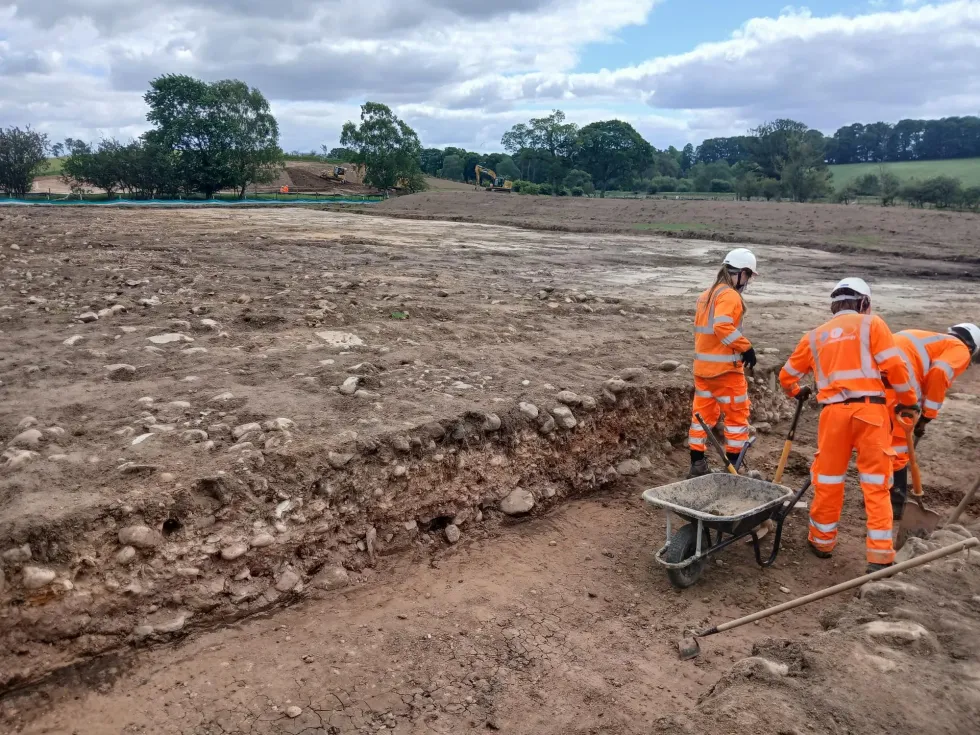
Researchers believe the site could boast one of Britain's largest Roman cemeteries
|COTSWOLD ARCHAEOLOGY
The A66 archaeological project was recently featured on BBC Two's Digging For Britain programme.
Archaeologists' next phase of research will focus on analysing the collected ashes to determine where the buried soldiers originally came from.
Dr McIntyre explained that Roman soldiers were typically stationed far from their home regions.
The team plans to employ isotopic analysis techniques to identify where these individuals likely spent their early years.