










Archaeologists have made a bizarre discovery at Hadrian's Wall which lifts the lid on the habits of Britain's ancient Roman rulers.
Among the thousands of ancient relics unearthed at Vindolanda, a Roman military outpost situated along Hadrian's Wall, researchers believe they may have identified what could be the earliest known shower shoes in existence.
These "bath clogs," known to the Romans as "sculponeae," featured raised wooden soles topped with leather straps.
Much like the flip-flops worn in modern changing rooms or pedicure salons to prevent fungal infections, these ancient slip-ons served a protective purpose.
But Roman bathers needed them for a different reason entirely - shielding their feet from scorching bathhouse floors.
English Heritage describes Roman bathhouses as social hubs where people gathered communally.
Visitors would strip off their clothing before progressing through a series of rooms of varying temperatures.
The journey took them from a cold chamber to a warm space, then into a hot room, before returning for a final plunge into some cold water.
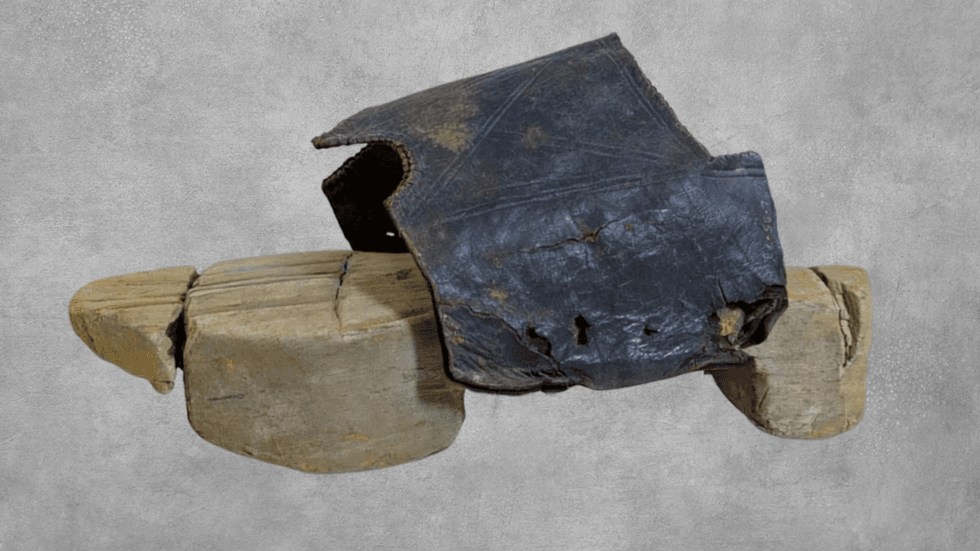
The Roman bath clogs, known as as 'sculponeae', featured raised wooden soles topped with leather straps
|VINDOLANDA TRUST
The hypocaust system represented a major Roman engineering achievement in bathing technology.
This heating method required stoking fires beneath elevated flooring to warm both the rooms and the water within them.
While effective, this radiant heating approach left floor surfaces dangerously hot to bare skin.
The remarkable preservation of these bath clogs at the Northumberland site owes everything to the waterlogged, oxygen-deprived mud layers that prevented organic materials from decomposing.
ARCHAEOLOGY - READ THE LATEST:
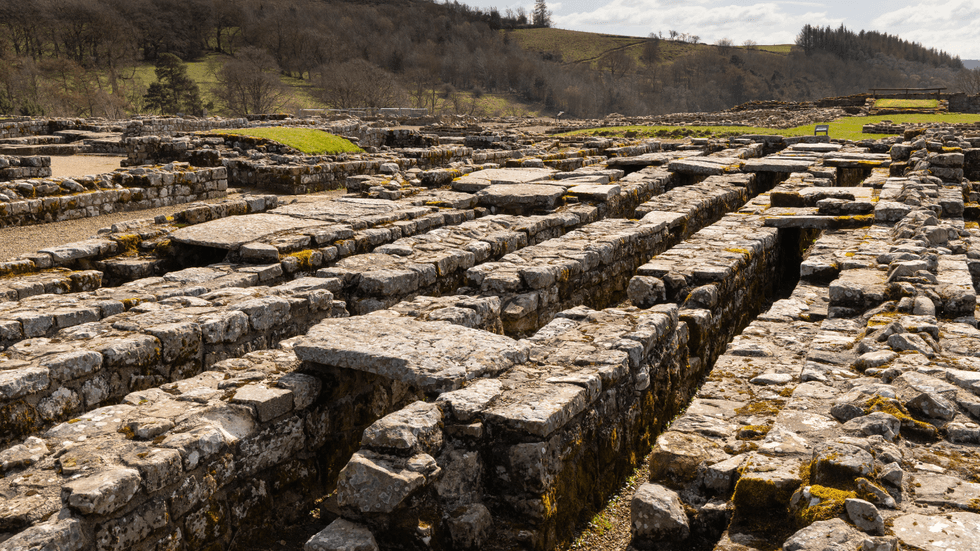
Excavations have yielded more than 5,000 Roman shoes at Vindolanda
|GETTY
Elizabeth Greene, an archaeologist from the University of Western Ontario, said that excavations have yielded more than 5,000 Roman shoes at Vindolanda - with around 50 of these identified as bath clogs.
The typical design incorporated a wooden platform standing between 2.5 and 5 centimetres tall with a leather band across the top.
Greene explains that while some examples were unadorned, others bore decorative elements including geometric designs or carved toe shapes on their surfaces.
The claim that these represent the world's oldest shower footwear remains contested among scholars.
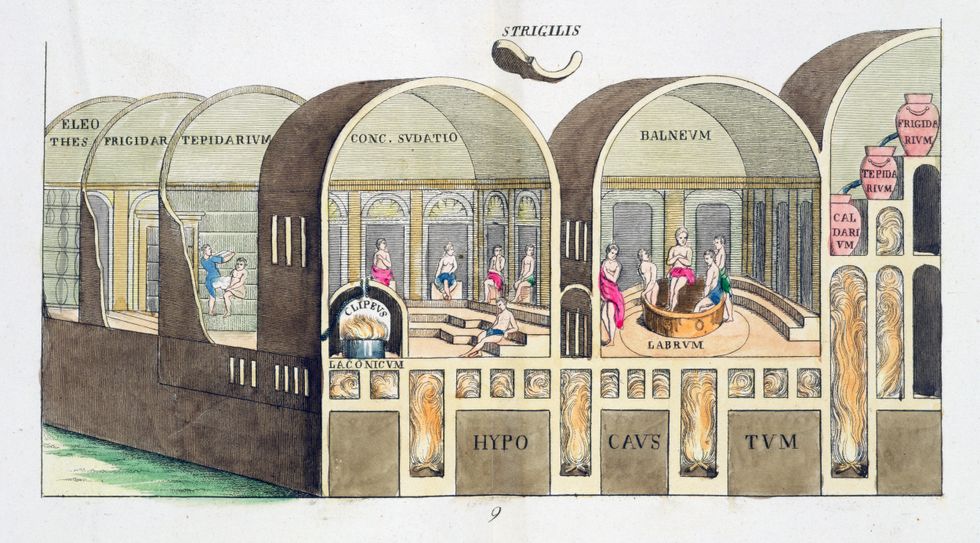
The hypocaust system represented a major Roman engineering achievement in bathing technology
|GETTY
Far older sandals exist, such as those belonging to King Tutankhamun dating to 3,300 BC.
Elizabeth Semmelhack, who directs and curates Toronto's Bata Shoe Museum, noted that Etruscan metal-framed sandals appeared as early as the sixth century BC.
"But they were not for bathhouse wear," she told Live Science.
A 2025 discovery at Isarnodurum in France uncovered two children's shoes with wooden soles from a period slightly earlier than Vindolanda.
Should these prove to be bath clogs, they would claim the title of oldest known examples.
Greene is also investigating whether these clogs served purposes beyond bathing, potentially functioning as protective overshoes against outdoor conditions.
One Vindolanda bath clog is currently displayed at Toronto's Bata Shoe Museum as part of their Unearthing Vindolanda exhibition, running until September 2027.
Our Standards: The GB News Editorial Charter